If you have PCOS, you've likely heard that it affects ovulation — but what does that actually mean, cycle to cycle? Understanding the mechanics can make the whole experience feel less confusing, and more like something you can work with.
A quick refresher: how ovulation normally works
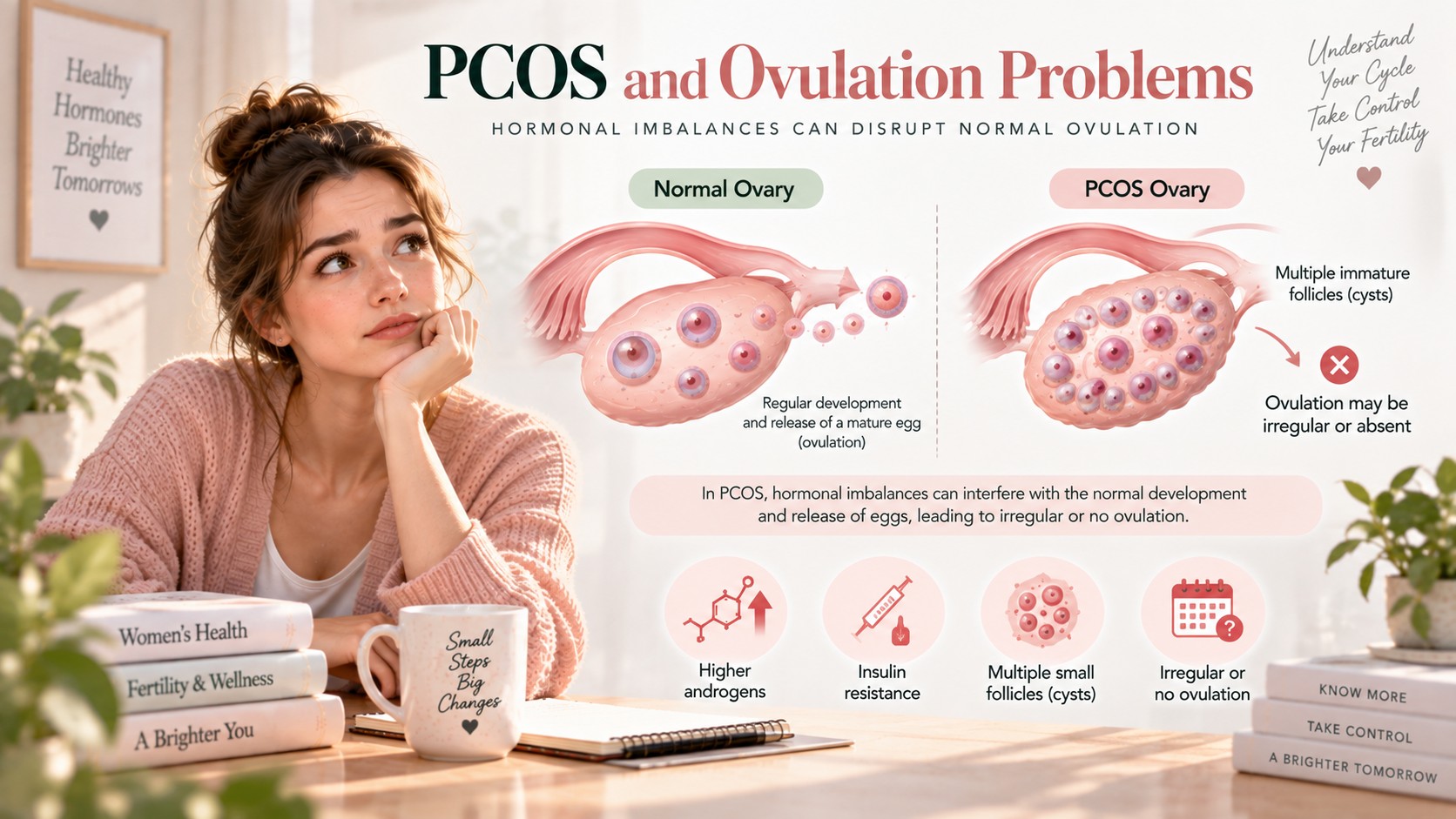
In a typical cycle, the pituitary gland releases follicle-stimulating hormone (FSH), which prompts a group of follicles in the ovary to start developing. Usually, one follicle becomes dominant and matures fully. A surge in luteinizing hormone (LH) then triggers that follicle to release its egg — ovulation.
What happens differently with PCOS
With PCOS, this process is frequently interrupted before it reaches ovulation. A few things commonly happen:
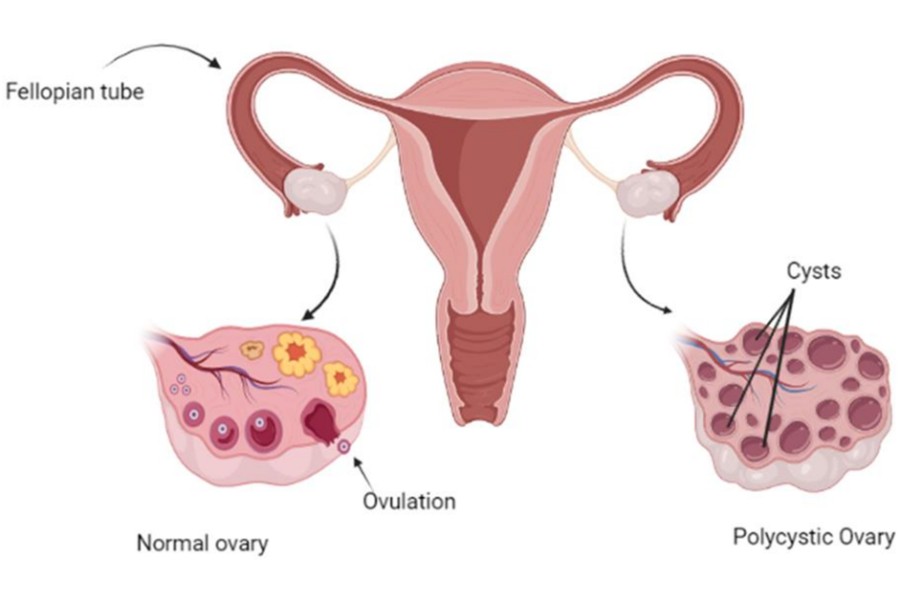
- Multiple small follicles begin developing each cycle but stall before any one becomes fully dominant, rather than one maturing and being released.
- Higher androgen levels can interfere with the normal hormonal signaling needed for a follicle to mature and ovulate.
- Insulin resistance, common in PCOS, can further disrupt this hormonal balance, compounding the effect on ovulation.
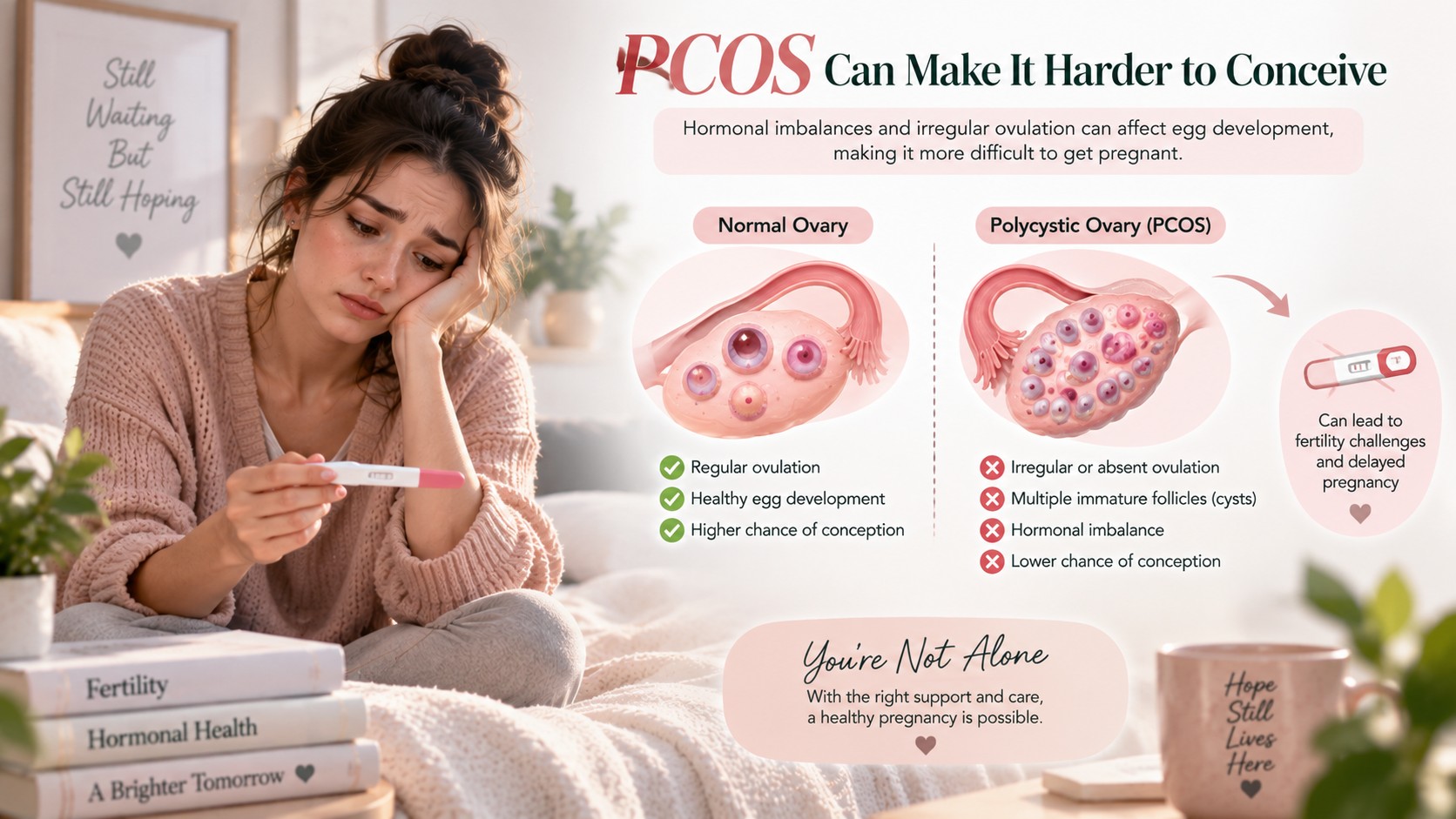
- The result is ovulation that happens infrequently, unpredictably, or not at all in a given cycle — sometimes called anovulation.
How this shows up in real life
For many women with PCOS, this translates into cycles that are much longer than typical (sometimes 35 days or more), periods that arrive unpredictably, or months where a period doesn't come at all. Because ovulation timing is so variable, standard ovulation predictor kits — which detect the LH surge — can be less reliable, since baseline LH levels are often already elevated in PCOS.
Why regular ovulation matters even if you're not trying to conceive
Ovulation isn't only about getting pregnant. After an egg is released, the body makes progesterone. This hormone helps the uterine lining (the endometrium) mature and then shed as a period. When ovulation doesn't happen for a long time, the lining can keep building up under estrogen alone. Over many months, this can raise the risk of changes in the lining. That's why doctors usually want women with PCOS to have a period, or to shed the lining in another way, every few months. It's not something to panic about. It's simply a good reason to keep your provider in the loop about long gaps between periods.
How ovulation is tracked and confirmed with PCOS
- Basal body temperature charting over several cycles, to look for the temperature rise that follows ovulation.
- Cervical mucus tracking, watching for the clear, stretchy changes that typically precede ovulation.
- Blood tests, such as mid-luteal progesterone levels, which a clinician can use to confirm whether ovulation occurred.
- Ultrasound monitoring in some cases, to directly observe follicle development.
A simple three-month plan to learn your pattern
You don't need to track everything perfectly. A few steady habits over three cycles can tell you a lot.
- Log the first day of every period. Note how many days pass between periods. This alone shows how regular your cycle is.
- Take your temperature each morning. Use a basal thermometer before you get out of bed, at about the same time each day.
- Check your cervical mucus once a day. Note whether it feels dry, sticky, creamy or clear and stretchy.
- Jot down other clues. Breast tenderness, mild one-sided pelvic twinges, mood shifts and spotting can all help fill in the picture.
- Bring your charts to your appointment. Three months of notes give your provider far more to work with than memory alone.
If you'd like help spotting your likely fertile days, our ovulation calculator guide explains how to read the signs alongside an estimate.
Myths vs facts about PCOS and ovulation
- Myth: Women with PCOS never ovulate. Fact: Many ovulate some of the time. It's often just less frequent or harder to predict.
- Myth: The "cysts" on the ovaries are the problem. Fact: They are usually small follicles that stopped growing, not true cysts. They are a sign of the hormone pattern, not the cause of it.
- Myth: A period every month proves you ovulated. Fact: Bleeding can sometimes happen without ovulation. A temperature shift or a progesterone blood test is a better check.
When to see a doctor
It's worth booking a visit if your cycles are often longer than 35 days, if you go three months or more without a period, if your bleeding is very heavy or lasts much longer than usual, or if you've been trying to conceive for 12 months (or 6 months if you're 35 or older). You can learn more in our guides to irregular periods and hormone balance and missed periods.
Supportive approaches that may help ovulation regularity
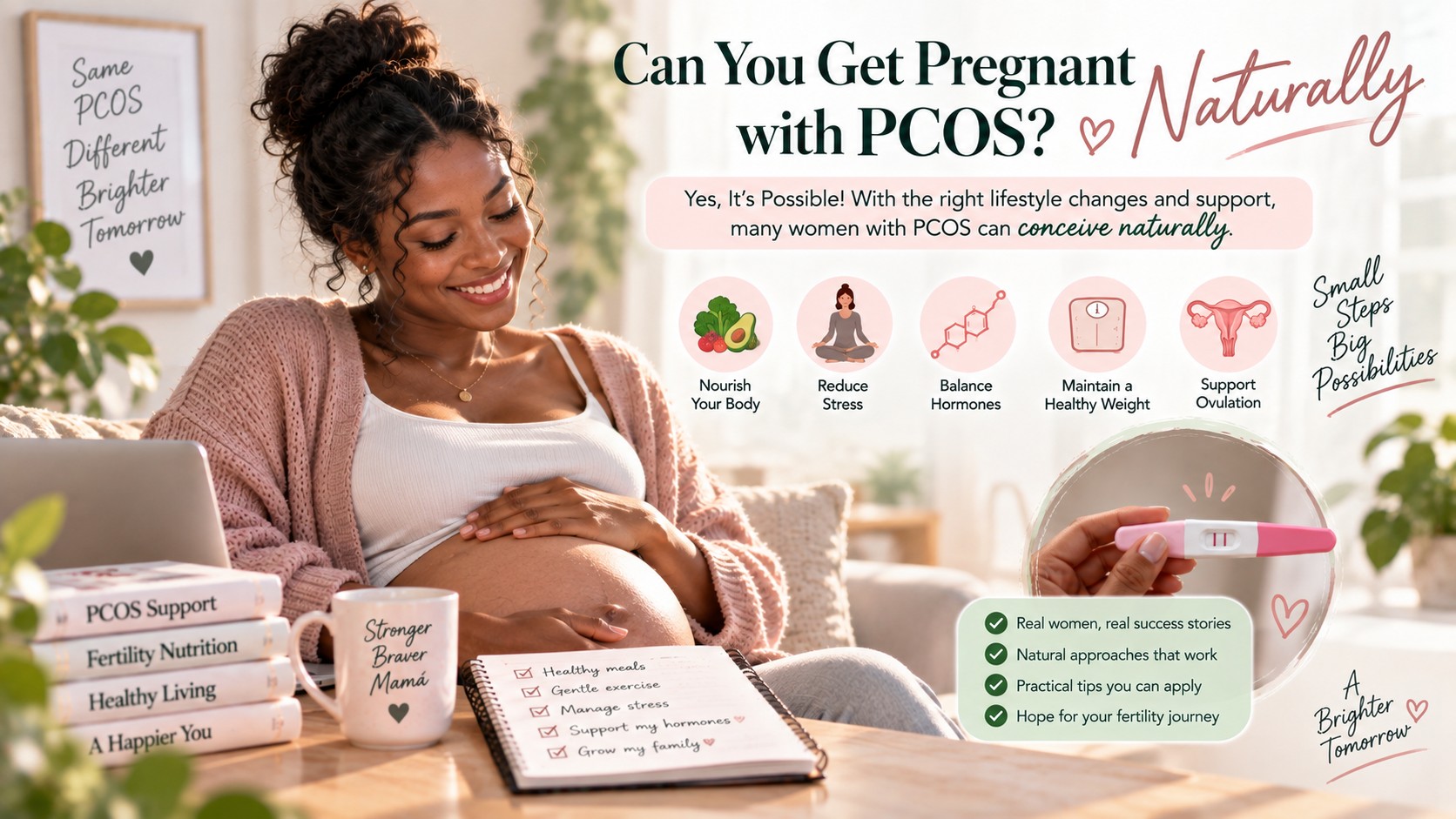
Because insulin resistance plays such a central role for many women with PCOS, supporting insulin sensitivity is often a meaningful piece of the puzzle:
- A diet built around whole foods, fiber, and steady blood sugar rather than restrictive eating.
- Regular, moderate exercise, which may help support insulin sensitivity.
- Even modest, sustainable weight changes, when relevant, have been associated with improved ovulation in some women with PCOS.
- Targeted nutritional support, such as inositol, is commonly discussed in the context of PCOS and insulin sensitivity.
- Medical treatment, when appropriate, to help support ovulation directly — a conversation worth having with a clinician.
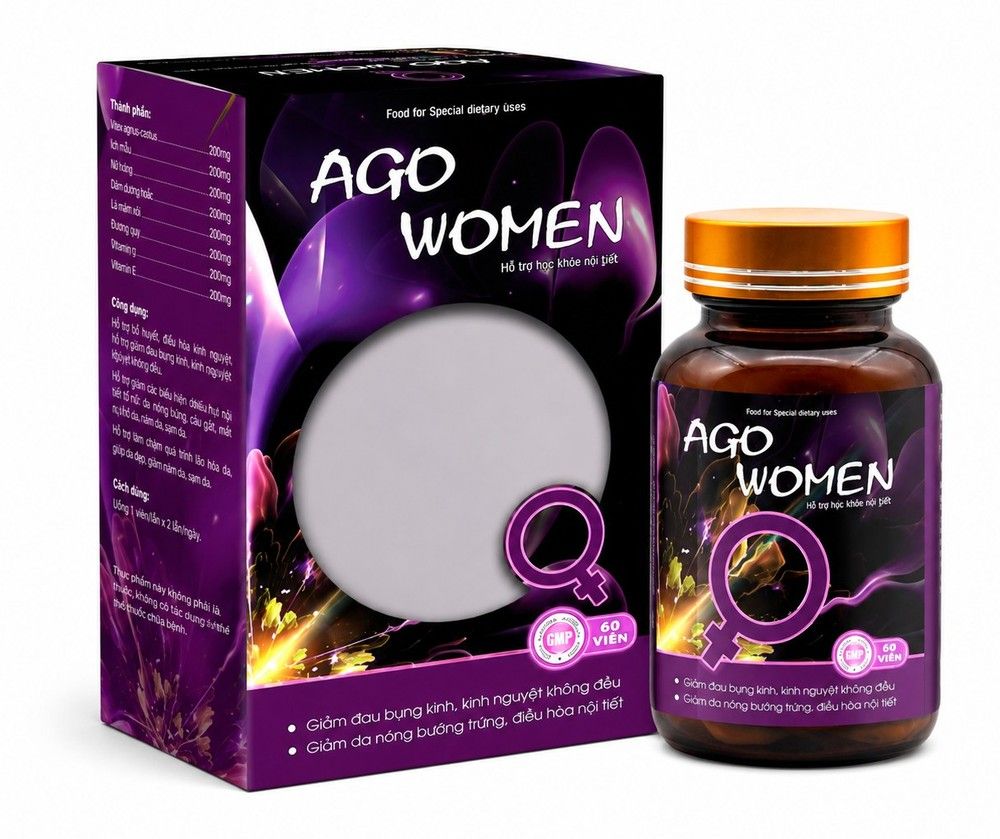
AGO Women is formulated to help support hormonal balance for women navigating PCOS-related cycle irregularity, as part of a broader, personalized care plan, alongside medical guidance.
Trying to make sense of unpredictable ovulation?
Message AGO Fertility Care and share your cycle pattern and how long you've had a PCOS diagnosis or suspicion. We'll help you think through tracking approaches and a supportive care routine.
Chat With AGO on WhatsApp