Polycystic ovary syndrome, or PCOS, is one of the most common hormonal conditions among women of reproductive age — yet it's also one of the most misunderstood. If you've recently been told you might have PCOS, or you suspect you do, this guide walks through what it actually is, what causes it, and what it can mean for your fertility.
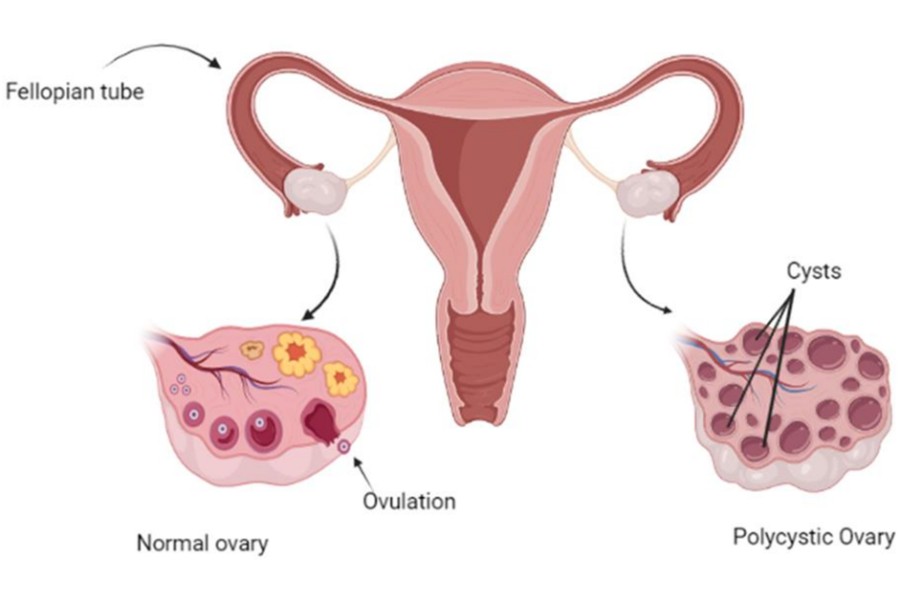
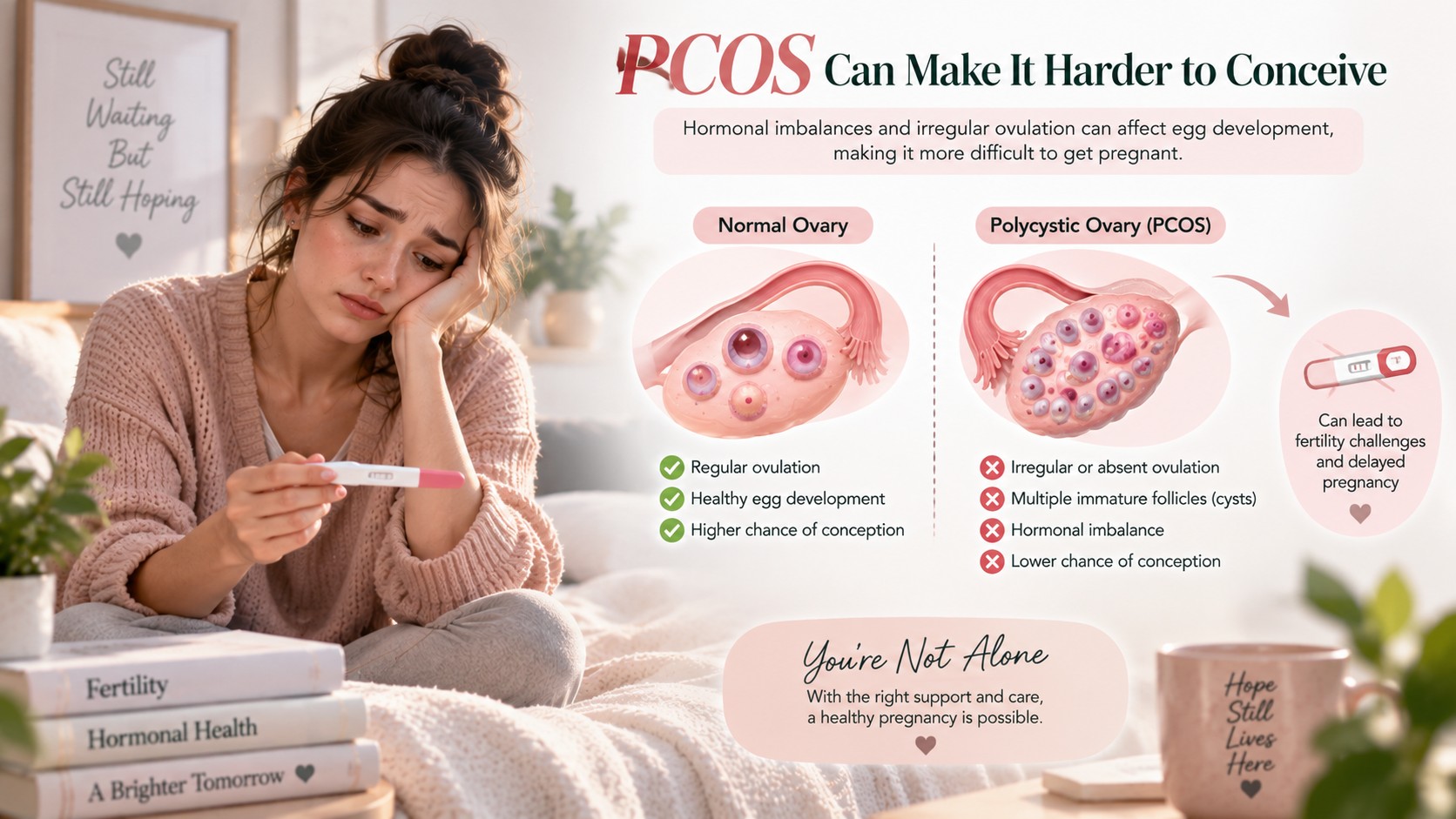
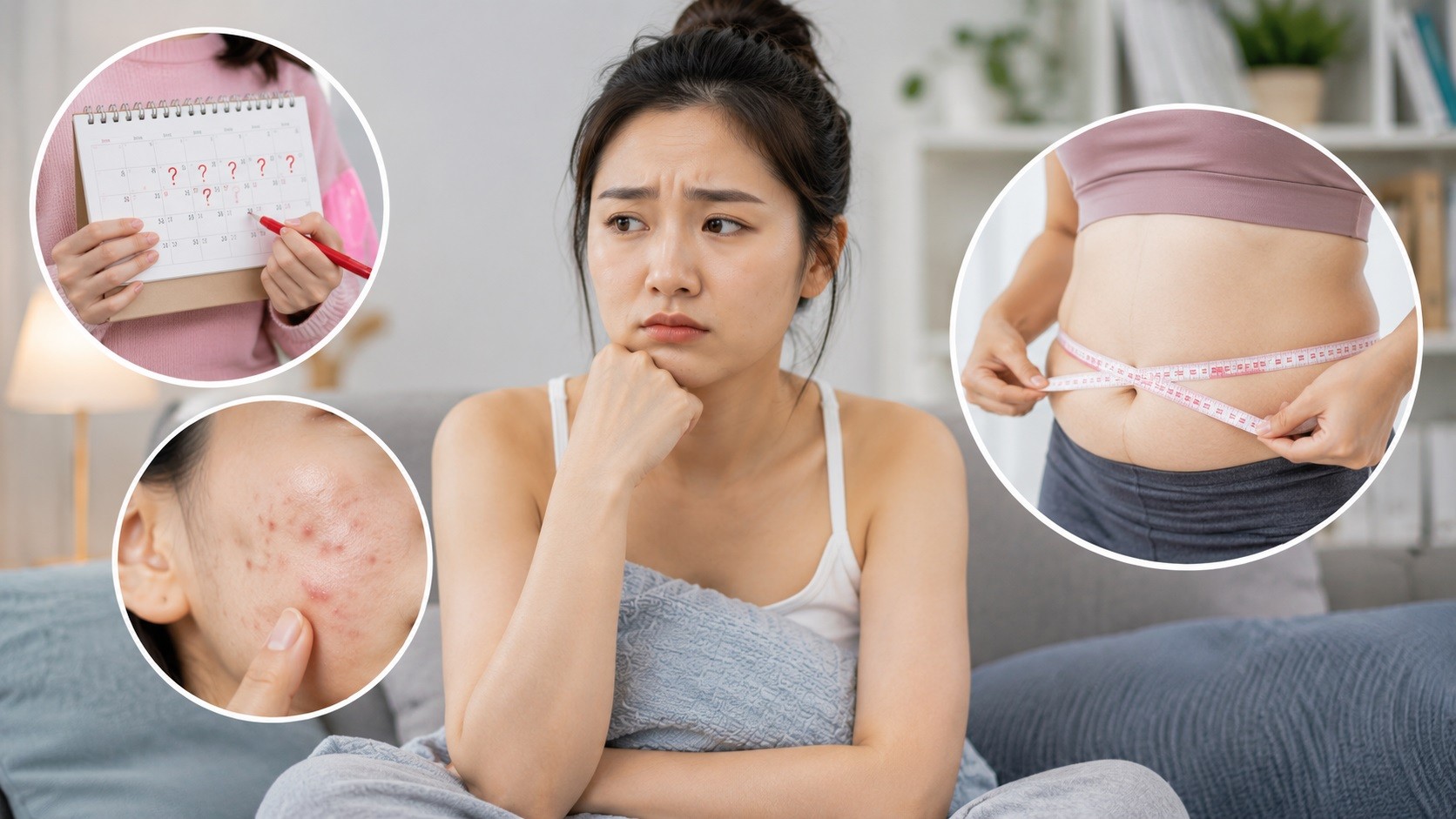
PCOS is a hormonal condition typically involving some combination of three features: irregular or absent ovulation, higher-than-typical levels of androgens (sometimes called "male hormones," though everyone has them), and ovaries containing many small, fluid-filled follicles that haven't fully matured. Most healthcare providers diagnose PCOS when a woman has at least two of these three features, after other conditions have been ruled out.
Despite the name, "polycystic" ovaries are not the same as ovarian cysts in the way many people picture them — they're small, immature follicles rather than large fluid-filled growths.
Not every woman with PCOS experiences every sign, and severity varies widely from person to person.
The exact cause of PCOS isn't fully understood, but research points to a combination of factors that often overlap:
Many women with PCOS have some degree of insulin resistance, meaning the body needs more insulin to manage blood sugar. Higher insulin levels can, in turn, encourage the ovaries to produce more androgens.
PCOS tends to run in families, suggesting a genetic component, though no single gene has been identified as "the" cause.
Some studies associate PCOS with chronic low-grade inflammation, which may also stimulate androgen production by the ovaries.
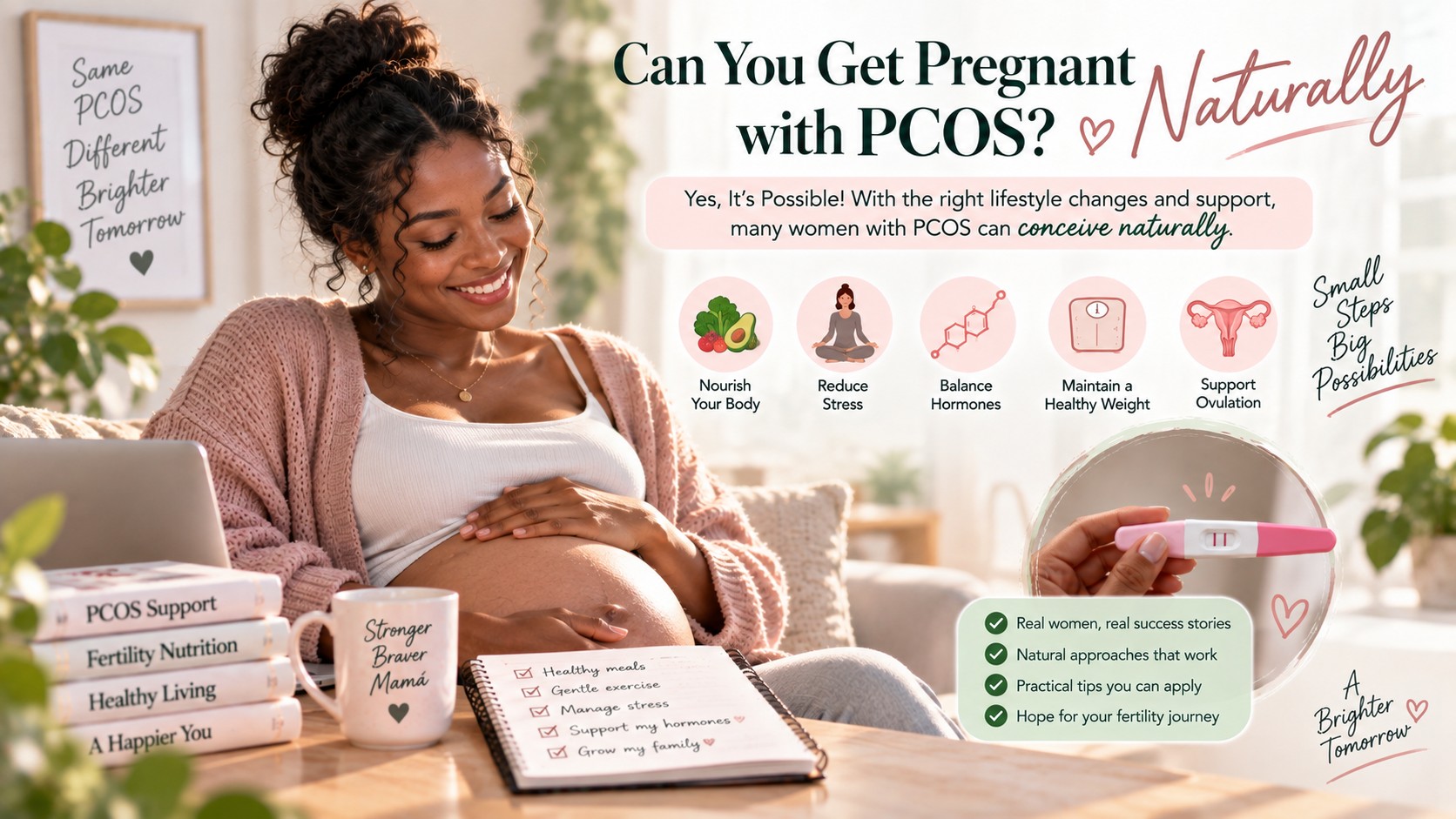
PCOS is one of the most common causes of ovulation-related infertility. When ovulation is irregular or absent, there are fewer or no opportunities for conception each cycle. This doesn't mean pregnancy is impossible — many women with PCOS do conceive naturally, sometimes with support to help regulate ovulation and cycle timing.
PCOS often comes up first when periods go missing or pregnancy takes a while. But it's a whole-body hormonal pattern, so it helps to look after your long-term health too. Women with PCOS have a higher chance of:
Hearing this list can feel heavy. The good news is that the same everyday habits that support your cycle also support these areas, and simple check-ups help you stay a step ahead. If weight is part of your experience, our guide to PCOS belly and weight explains the link with insulin.
Diagnosis usually involves a combination of a symptom and cycle history review, blood tests to check hormone levels, and a pelvic ultrasound to look at the ovaries. Because several conditions can mimic PCOS symptoms, a proper evaluation matters more than self-diagnosis based on symptoms alone.
Irregular periods, acne and extra hair growth have more than one possible cause. Before confirming PCOS, a provider will usually rule out a few look-alikes with simple blood tests:
It also helps to know that "polycystic" ovaries on an ultrasound are different from the larger cysts covered in our guide to ovarian cyst symptoms.
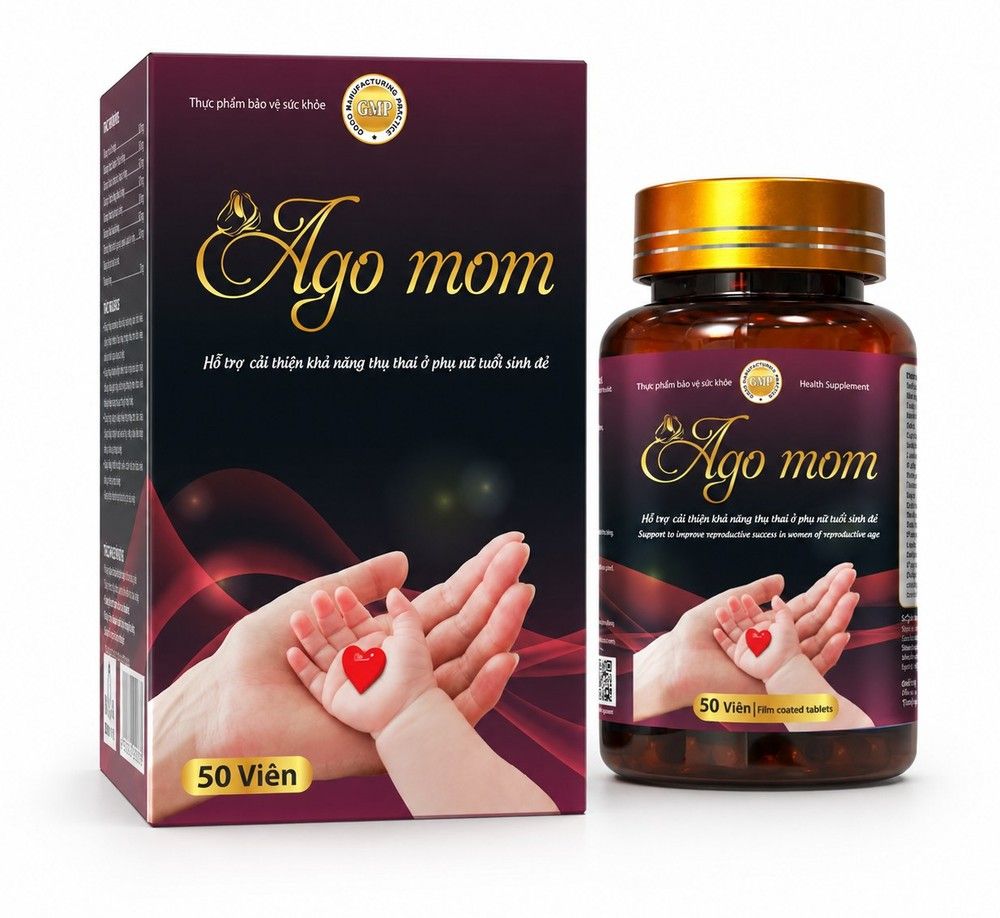
AGO Women and AGO Mom are formulated to help support hormonal balance as part of a broader PCOS-friendly care routine — alongside, not instead of, medical guidance.
Message AGO Fertility Care and tell us which signs you've noticed and how long you've experienced them. We'll help you understand possible next steps and a supportive care routine for your situation.
Chat With AGO on WhatsApp