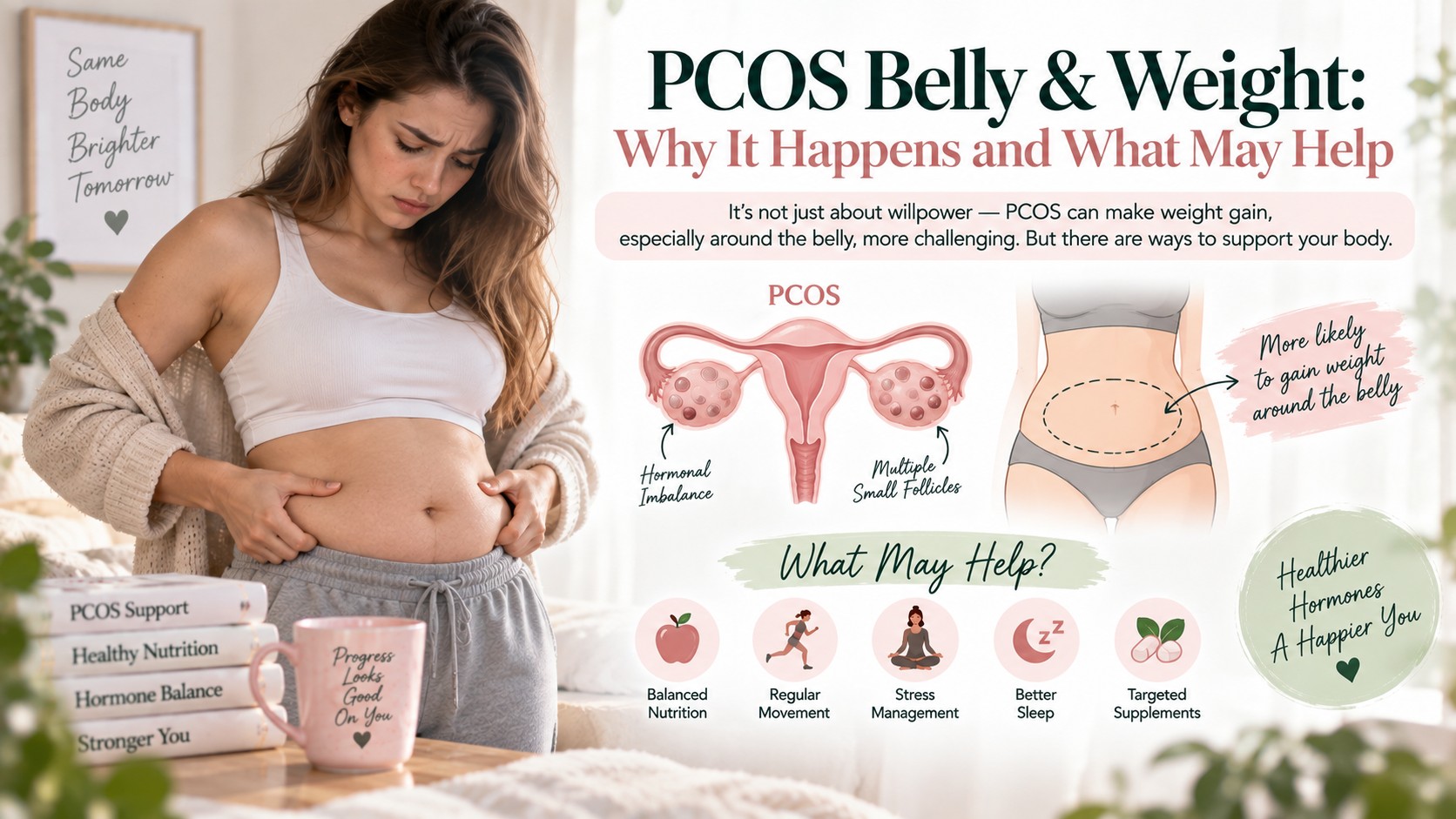
If you have PCOS and feel like your weight doesn't respond the way it "should" to diet and exercise, you're not imagining it. Weight changes, especially around the abdomen, are one of the most common and most frustrating parts of living with polycystic ovary syndrome — and there's a real hormonal reason behind it.
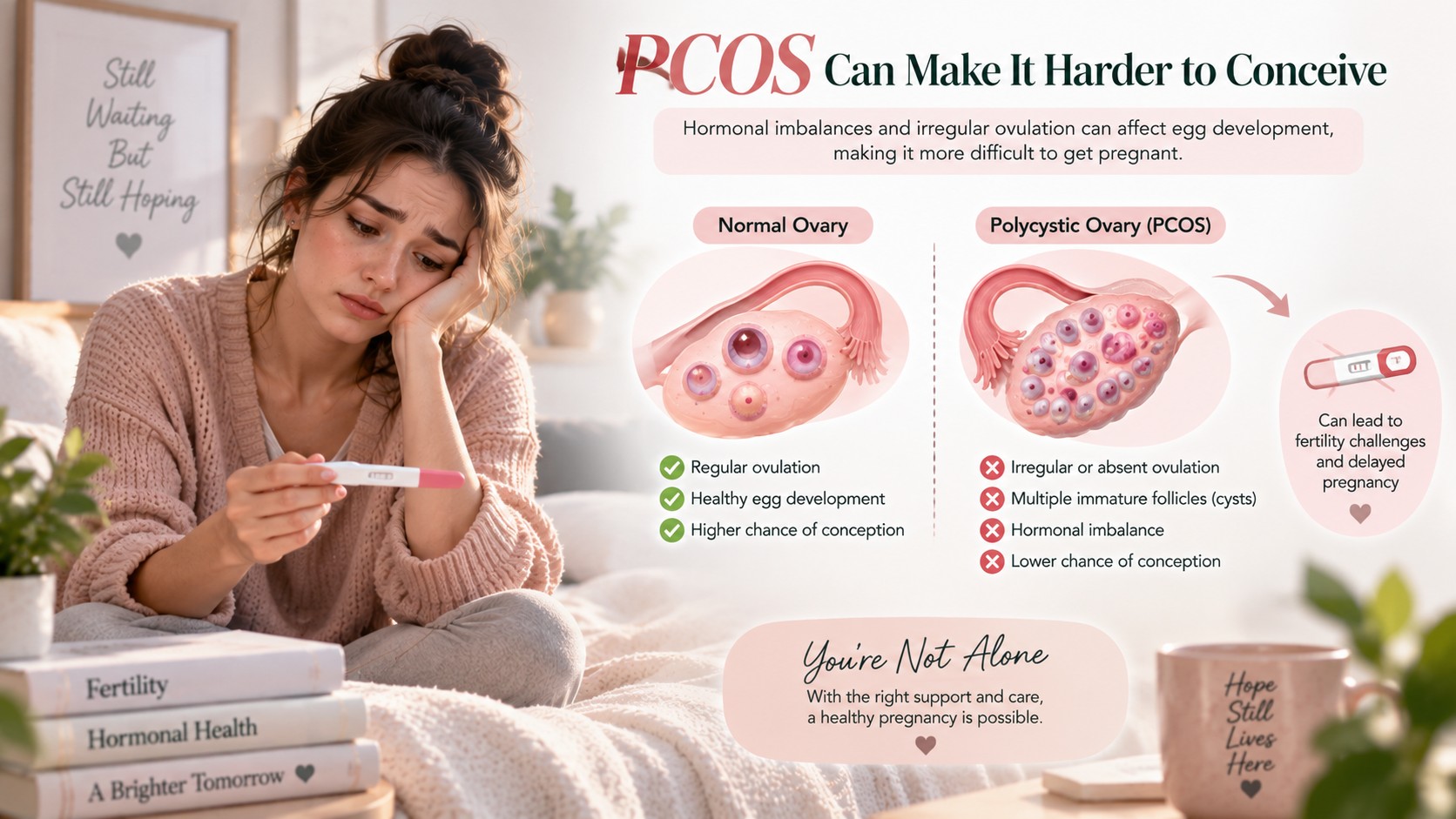
The link comes down largely to insulin resistance, which affects a majority of women with PCOS regardless of their starting weight. When cells become less responsive to insulin, the body produces more of it to compensate. Higher insulin levels can encourage fat storage, particularly in the abdominal area, and can also stimulate the ovaries to produce more androgens — which in turn can make weight management even harder. It becomes a cycle that isn't about willpower.
“PCOS belly” is a term many women use to describe a pattern of central or abdominal weight gain that feels different from weight gain elsewhere on the body. It's often more visceral (around the organs) than subcutaneous, which is part of why it can feel stubborn and disproportionate to overall calorie intake.
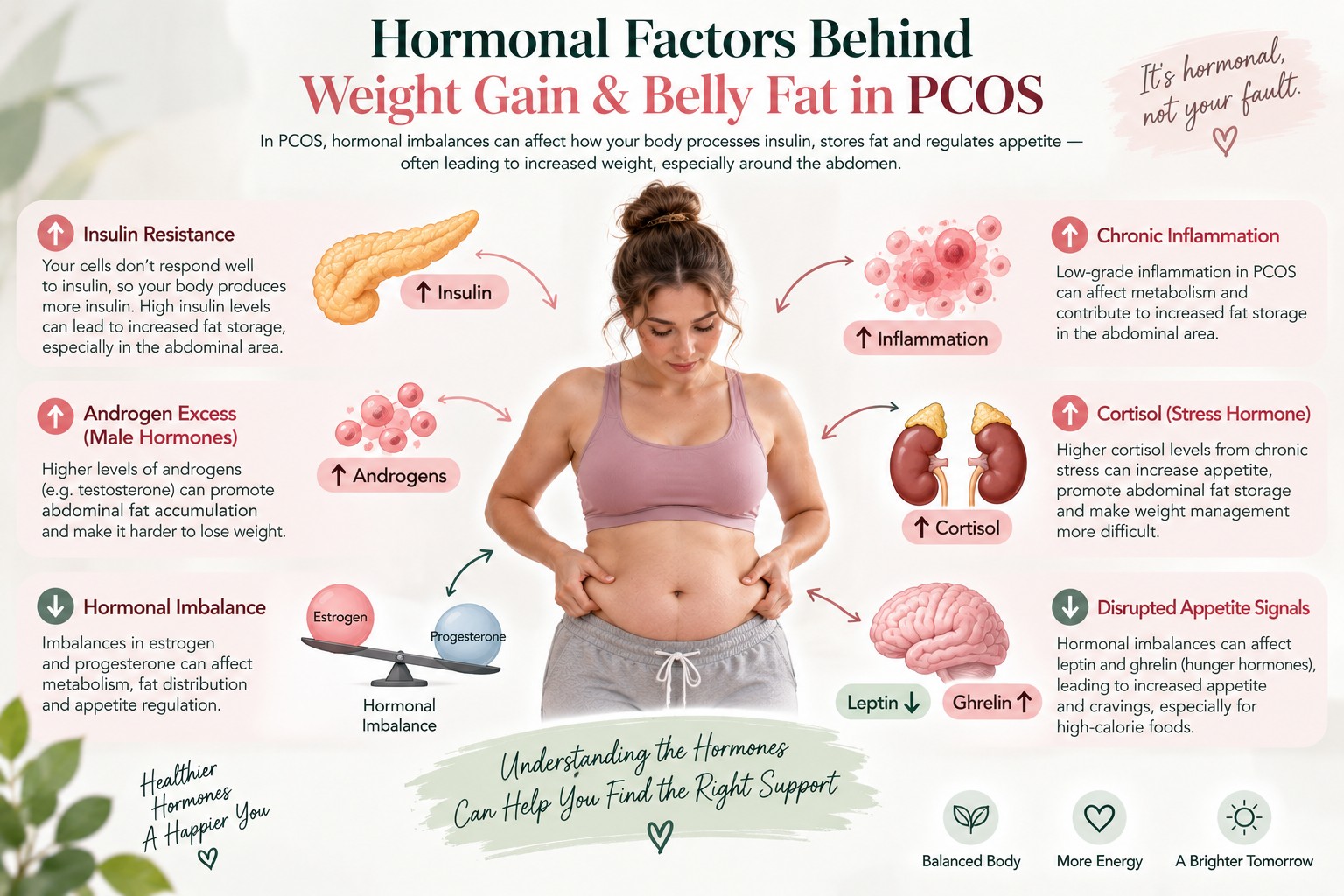
Generic "eat less, move more" advice doesn't account for the insulin resistance driving much of PCOS-related weight gain. This is part of why many women with PCOS report feeling like they're doing everything right without seeing the expected results — and why blanket weight-loss advice can feel discouraging rather than helpful.
Insulin resistance doesn't always cause obvious symptoms, but some clues are worth noticing. None of these confirm anything on their own. They are simply signals to bring up with your provider.
If weight changes feel out of step with your habits, a simple set of tests can give you real answers. Common ones include a fasting blood sugar test, an A1C test (which shows your average blood sugar over about three months) and sometimes an oral glucose tolerance test, where you drink a sugary drink and your blood sugar is measured over a few hours. Many providers also check cholesterol, thyroid function and hormone levels, since these can all affect weight and energy. Knowing your numbers turns guesswork into a clear starting point.
If you're hoping to get pregnant, it can help to know that weight matters mainly because of its effect on ovulation. High insulin and androgen levels can make ovulation less regular. For some women, a modest change of around 5% of body weight is linked with more regular cycles. That is a gentle, reachable goal, not a dramatic transformation. Focus on habits you can keep for months, not quick fixes. Our guide on getting pregnant naturally with PCOS covers this in more detail, and our fertility nutrition guide shares easy meal ideas.
It's a good idea to book a visit if you gain weight quickly without a clear reason, if your periods become very irregular or stop, if you notice new hair growth on your face or body, or if you've been trying to conceive for 12 months (or 6 months if you're 35 or older). Your provider can look at the whole picture and talk through options a doctor may discuss, which could include lifestyle support or medication.
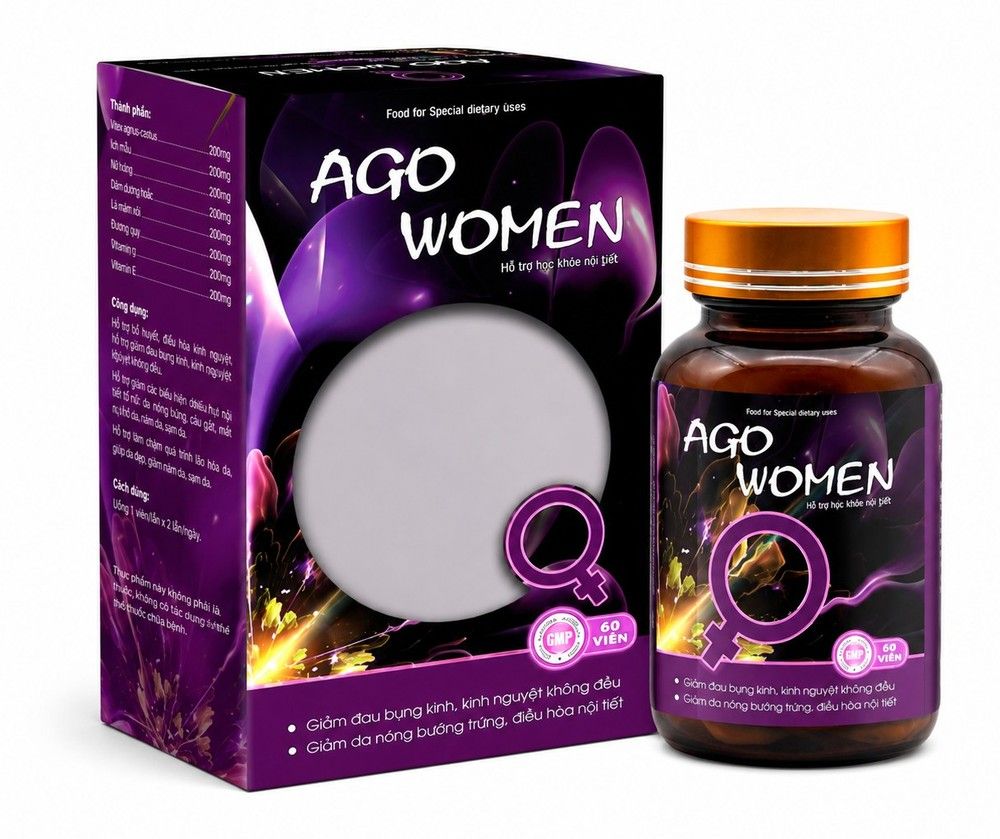
Targeted nutritional support formulated with PCOS and hormonal balance in mind can also be a helpful part of a broader routine. AGO Mom is formulated with women managing PCOS in mind, while AGO Women supports broader hormonal balance and everyday wellness — together they can be a supportive part of your PCOS care routine. They are formulated to help support hormonal balance as part of a broader routine, alongside medical guidance.
It's worth saying plainly: a slower response to weight-loss efforts with PCOS is not a personal failing. Understanding the hormonal mechanics behind it can make it easier to approach your body with patience rather than frustration, while still taking supportive, realistic steps forward. Learn more about the broader picture in our guide to PCOS signs, causes, and fertility.
Message AGO Fertility Care and share what you've noticed about your weight, cycle, and any other PCOS-related symptoms. We'll help you understand supportive next steps and a personalized care routine.
Chat With AGO on WhatsApp