It's tempting to search for a single "fertility superfood" that will make all the difference — and disappointing to learn that no such food exists. What growing research does show, consistently, is that overall dietary patterns — not any one ingredient — can meaningfully support hormone balance, egg and sperm health, and reproductive wellness for both partners over time. Think of nutrition less as a magic bullet and more as slowly building a stronger foundation, meal by meal.
The key nutrients worth prioritizing, and why each one matters
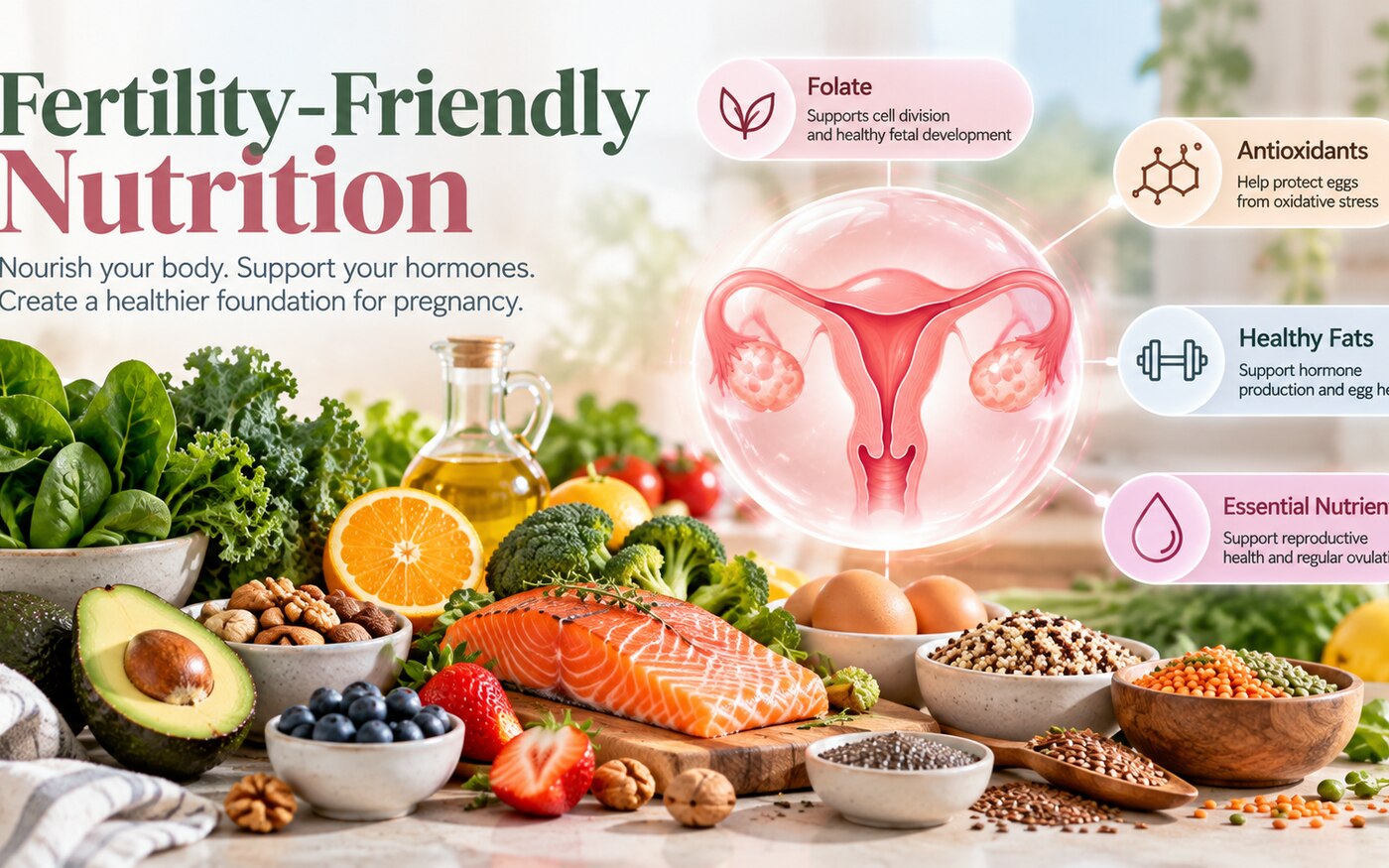
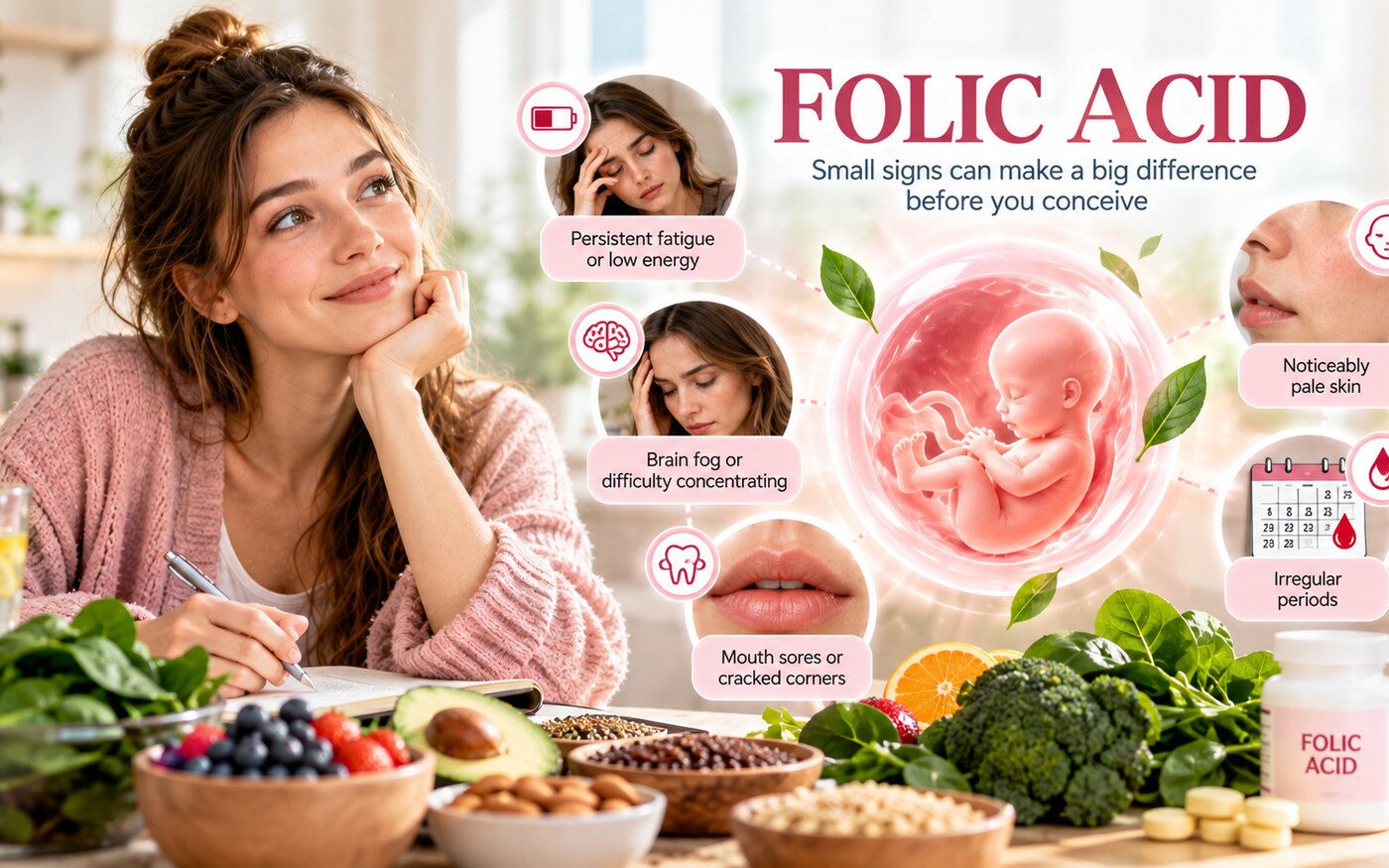
- Folate/folic acid — essential for healthy cell division and the very early development of a baby's neural tube, which forms in the first few weeks of pregnancy, often before a woman even knows she's pregnant; found in leafy greens, legumes, and fortified grains
- Omega-3 fatty acids — support healthy hormone production and have been linked in research to improved egg quality; found in fatty fish like salmon and sardines, walnuts, and flaxseed
- Iron — supports healthy ovulatory function, with some research suggesting women with higher iron intake experience fewer ovulation-related fertility issues; found in lean meats, beans, lentils, and spinach
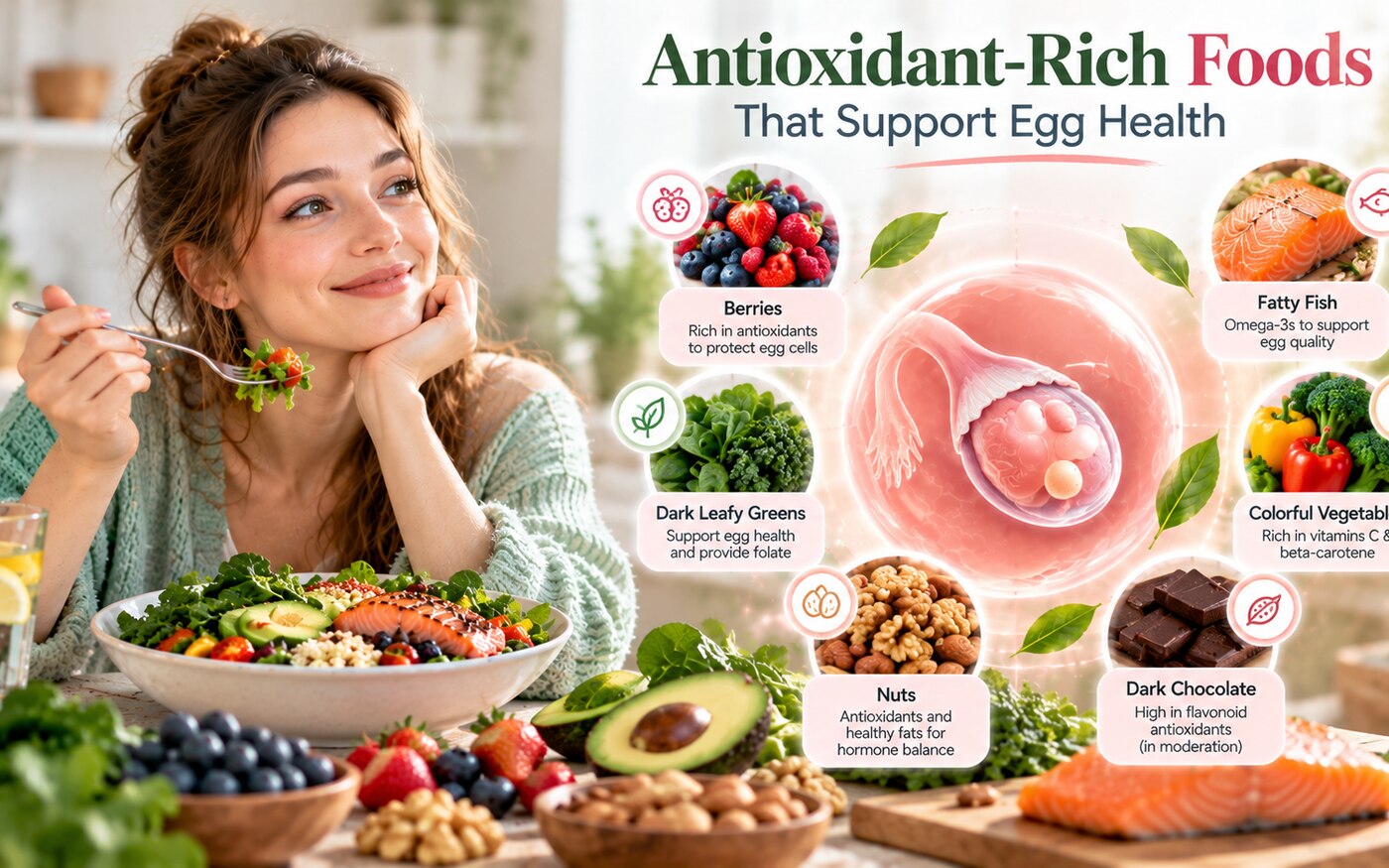
- Antioxidants (vitamins C and E, selenium) — help protect egg and sperm cells from oxidative stress, a form of cellular wear that accumulates over time and can affect fertility
- Zinc — plays an important role in both male and female reproductive hormone regulation and cell division
A simple overall pattern that's easier to sustain than counting nutrients
Rather than obsessing over individual "superfoods," many fertility specialists recommend focusing on an overall dietary pattern rich in vegetables, whole grains, healthy fats, and lean protein, while limiting highly processed foods, refined sugar, and trans fats. This kind of pattern, similar to the well-studied Mediterranean diet, tends to support the hormonal and metabolic balance that reproductive health depends on.
Foods worth making a regular part of your plate
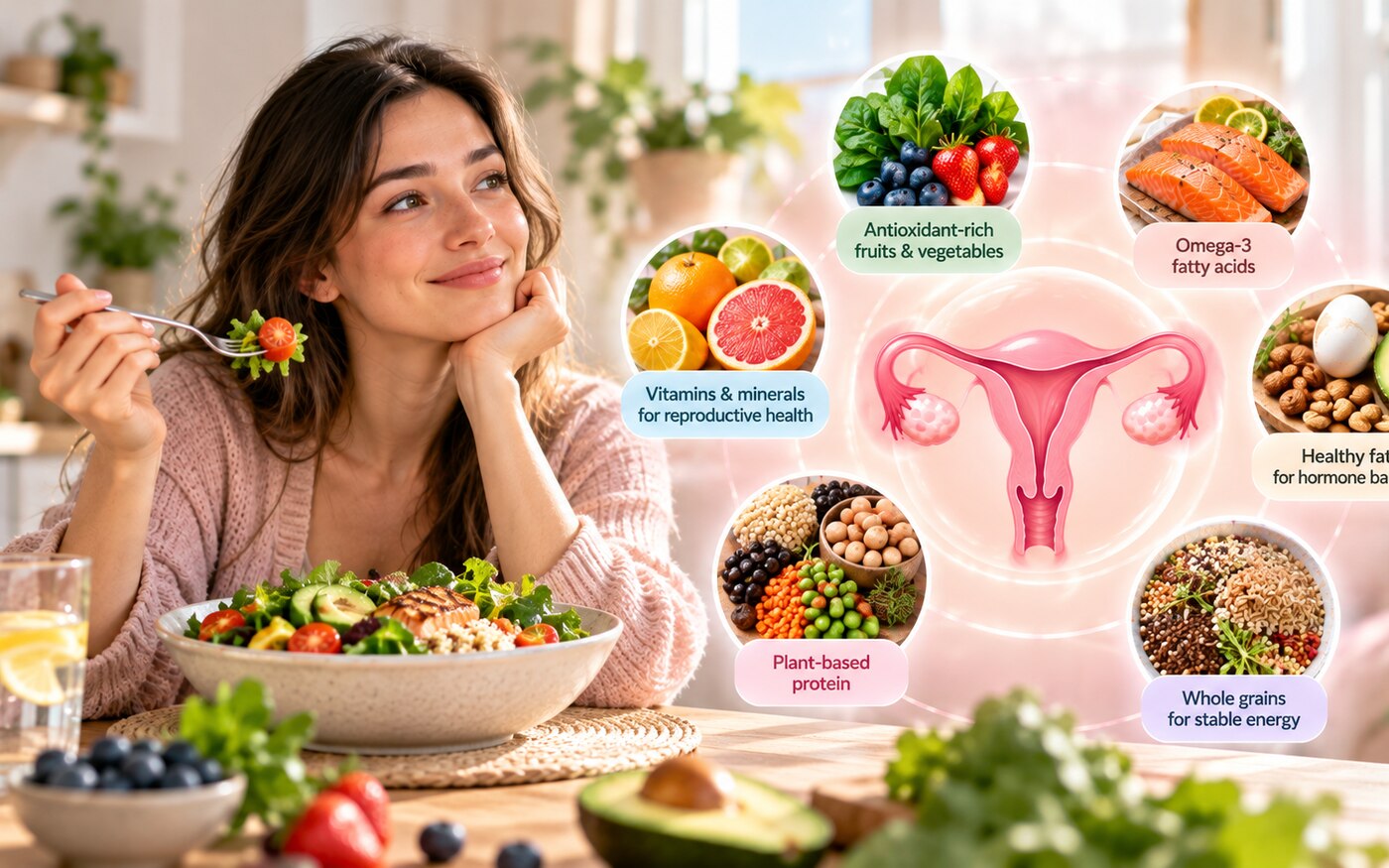
Leafy greens like spinach and kale, colorful berries, a handful of nuts and seeds daily, fatty fish two to three times a week, whole grains instead of refined ones, and legumes as a regular protein source are all frequently highlighted across fertility nutrition research — and the good news is, these are foods most people can genuinely enjoy long-term, not restrictive or unpleasant to eat.
What to limit while you are trying to conceive
Fertility-friendly eating is mostly about adding good things, but a few items are worth cutting back on. You do not need to be strict about everything. Focus on these:
- Alcohol: drinking is linked with lower fertility in both partners, and there is no known safe amount in pregnancy. Many couples choose to stop while trying.
- Too much caffeine: most guidance suggests staying under about 200mg a day, roughly one to two cups of coffee.
- High-mercury fish: the FDA advises avoiding shark, swordfish, king mackerel, tilefish and bigeye tuna. Salmon, sardines, shrimp and cod are lower-mercury choices.
- Sugary drinks and highly processed snacks: these can make blood sugar harder to manage and leave less room for nourishing foods.
- Trans fats: found in some fried and packaged foods. Check labels for partially hydrogenated oils.
A simple fertility-friendly day of meals
Here is what a balanced day might look like. It is easy to adjust for your tastes, culture and budget.
- Breakfast: oatmeal with berries and ground flaxseed, or eggs with spinach and whole-grain toast.
- Lunch: a grain bowl with quinoa, beans, roasted vegetables, avocado and a squeeze of lemon.
- Snack: yogurt with walnuts, or an apple with peanut butter.
- Dinner: salmon or lentils with brown rice and a big serving of leafy greens.
- Plus: plenty of water, and a daily prenatal vitamin with folic acid if you could become pregnant.
This style of eating has a lot in common with the Mediterranean diet, which is one of the most studied eating patterns for fertility.
Nutrition for him matters too
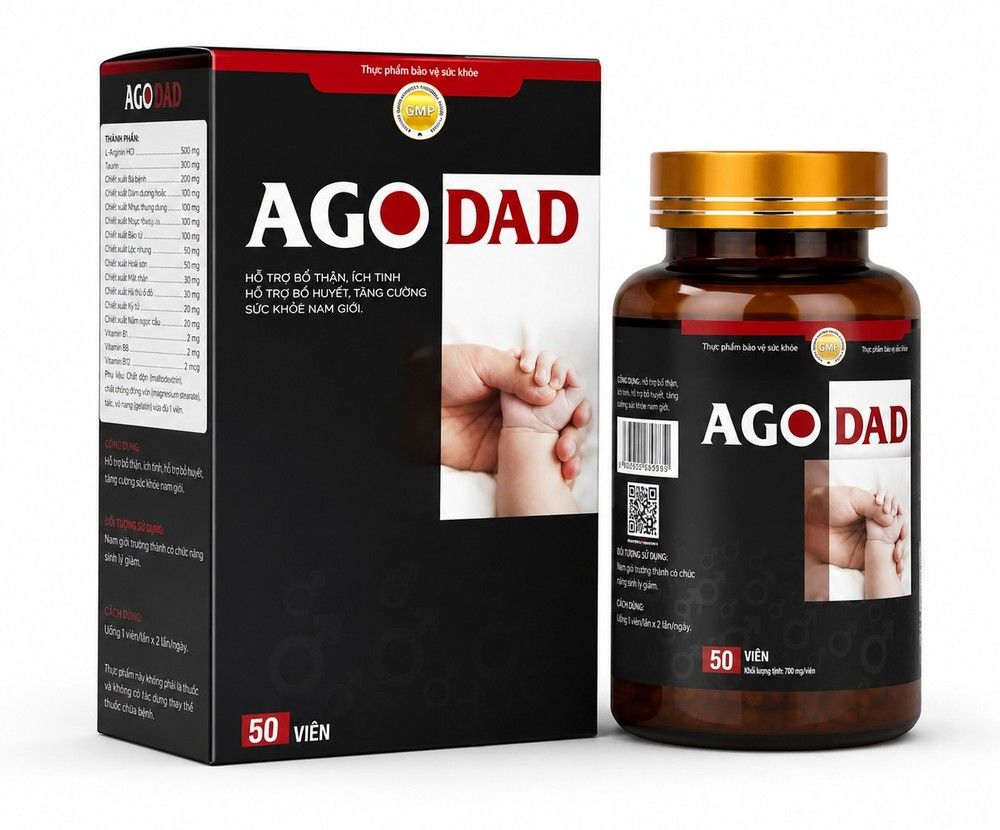
Sperm take around two to three months to develop, so a partner's diet in the months before conception matters as well. Zinc, selenium, folate, omega-3 fats and antioxidants all play a role in healthy sperm. Foods like seafood, eggs, beans, nuts, seeds, whole grains and colorful produce cover much of this. Cutting back on alcohol and quitting smoking also make a real difference. Our guide to sperm quality goes into more detail.
When to talk with a doctor or dietitian
General food advice works well for many people, but some situations call for a more personal plan. Consider asking for support if:
- You have PCOS, diabetes, thyroid problems, celiac disease or another condition that affects how you absorb or use nutrients.
- You eat a vegan or vegetarian diet and want to make sure you are getting enough iron, vitamin B12, iodine and omega-3s.
- Your weight is very low or high, or you have a history of disordered eating.
- You take regular medications, since some can affect nutrient needs.
- You are under 35 and have been trying for 12 months, or 35 or older and have been trying for 6 months, without a pregnancy.
When food alone isn't quite enough to cover the gaps
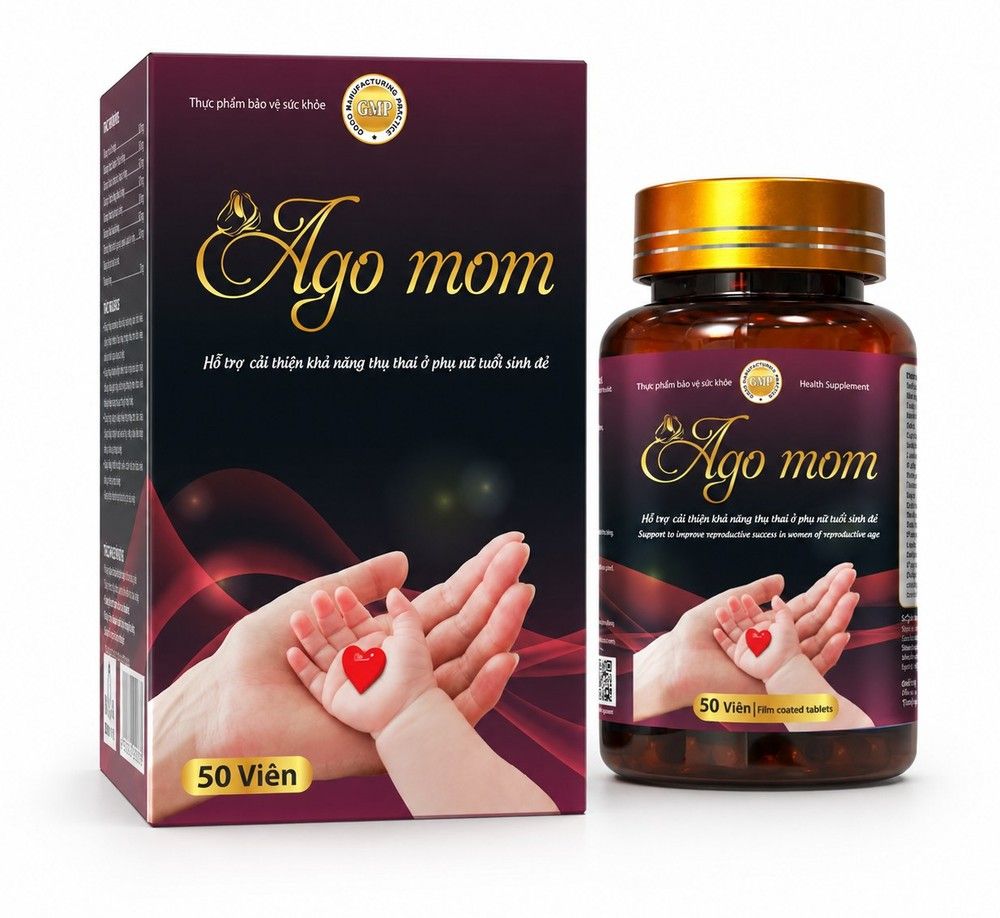
Even with a genuinely well-balanced diet, many women still have nutritional gaps — modern diets, busy schedules, and soil nutrient depletion all play a role in this. That's part of the reasoning behind adding a targeted supplement during preconception, which is exactly the role AGO Mom and Mẫu Nguyệt Đà+ are designed to play: supporting hormonal balance and nutritional foundations for women actively preparing for pregnancy.
Want a nutrition routine made for you?
Skip the generic food lists. Message AGO Fertility Care for a personalized nutrition and supplement routine tailored to your situation as you prepare for pregnancy.
Chat With AGO on WhatsApp