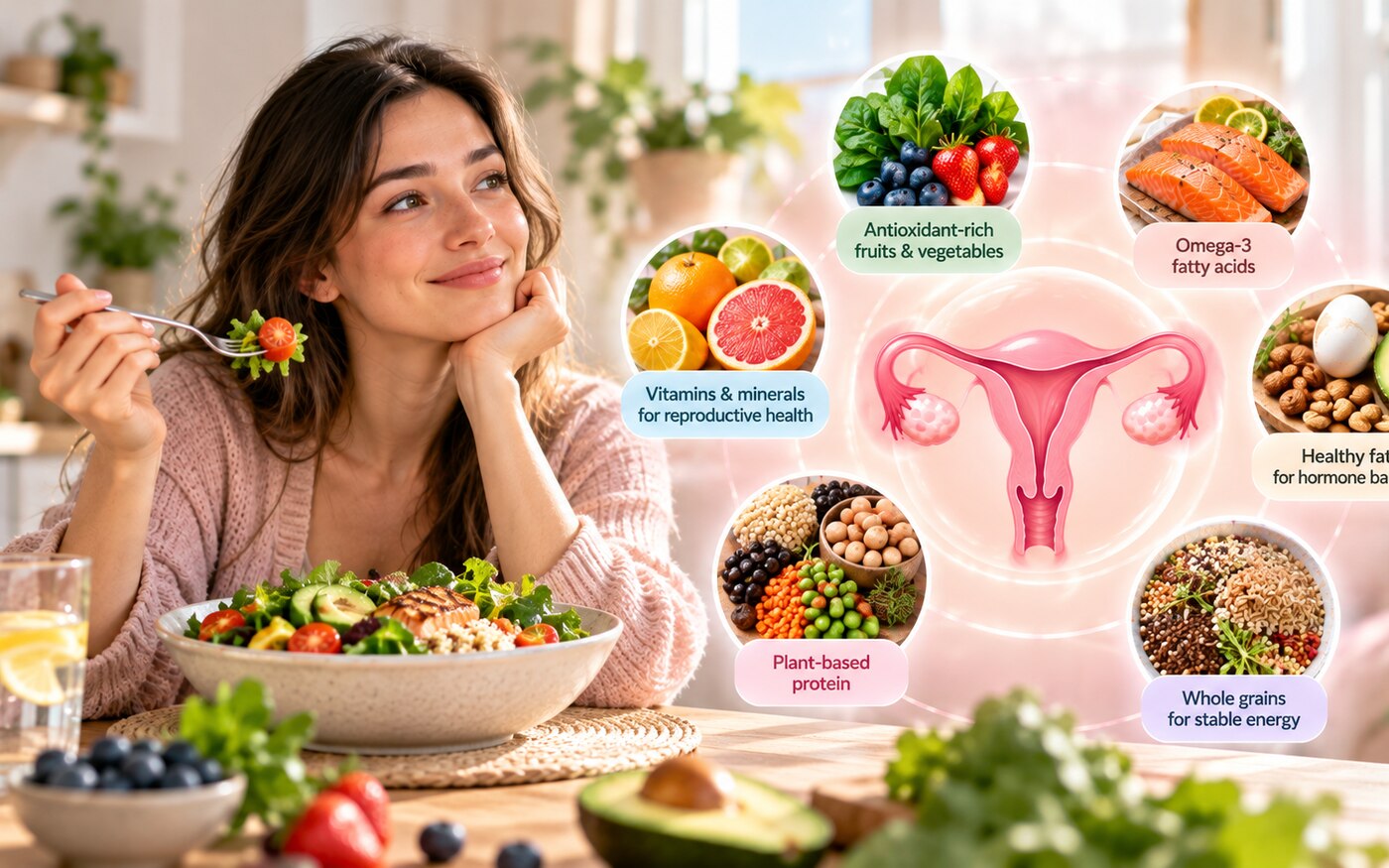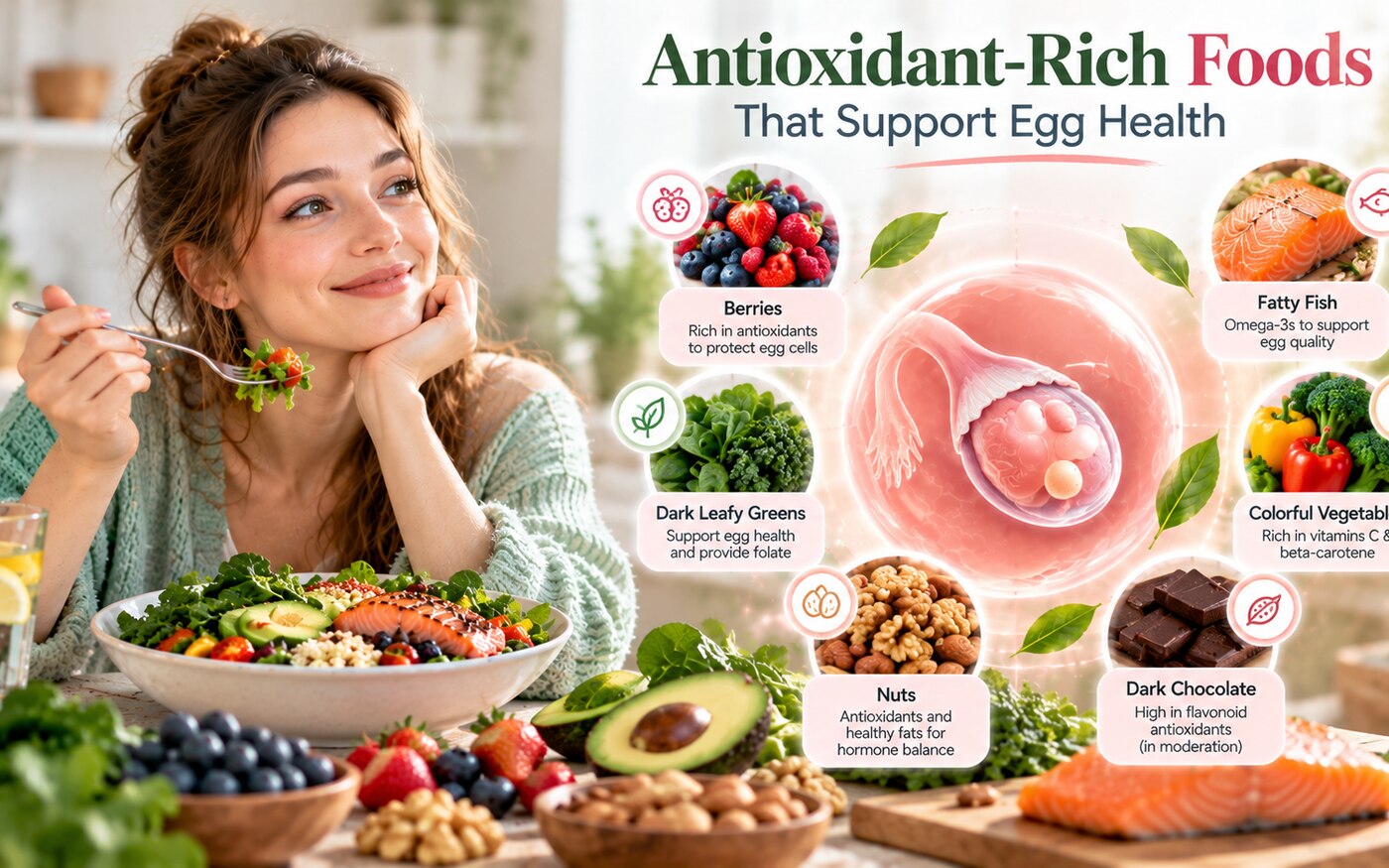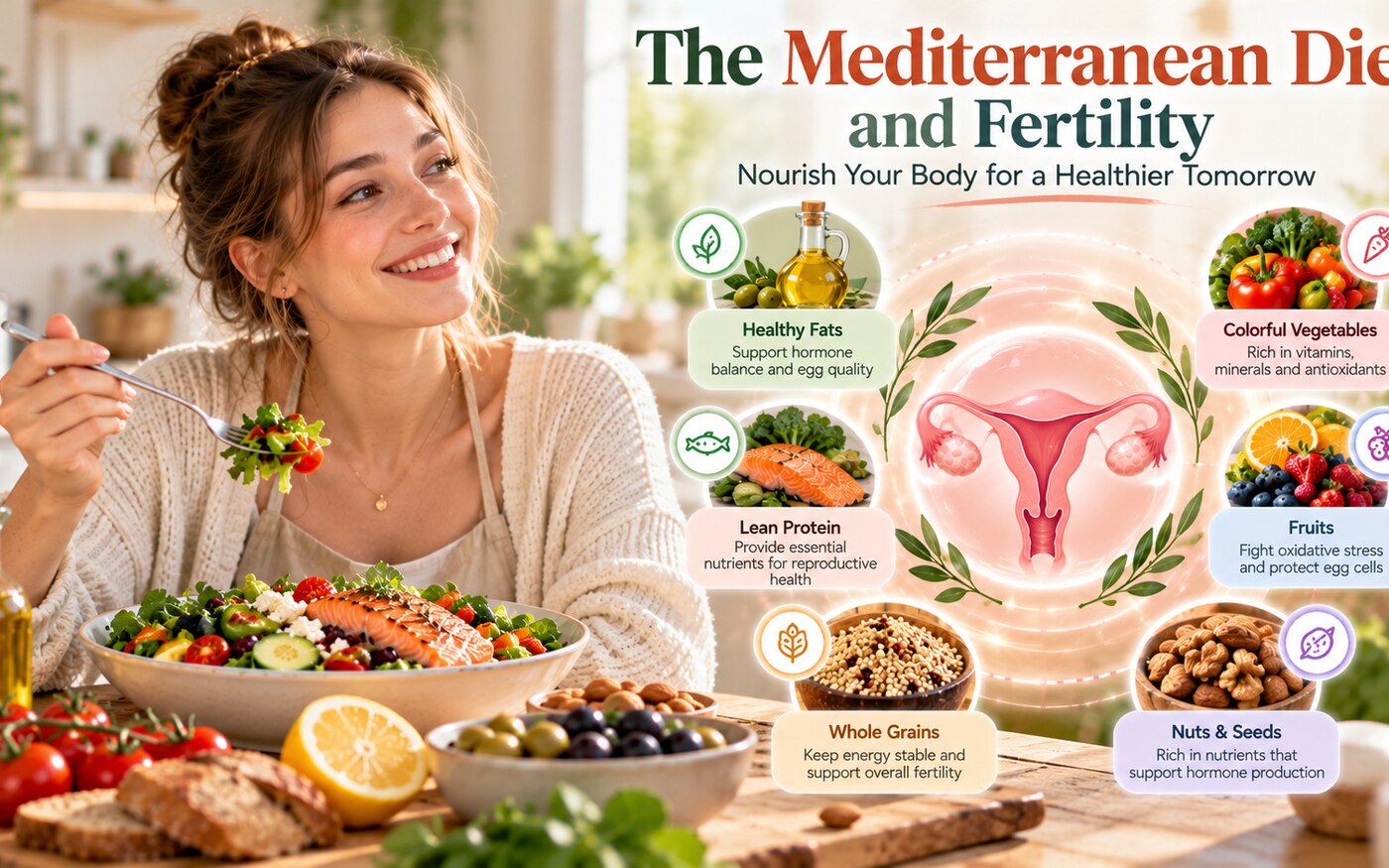
Of all the eating patterns studied in fertility research — and there have been dozens — the Mediterranean diet consistently comes out on top, not because it's a trendy restriction, but because it's a genuinely flexible, sustainable, and enjoyable way of eating that couples can actually maintain for months or years, not just a few disciplined weeks.
Rather than a rigid rulebook, it's built around generous amounts of vegetables and fruits, whole grains, legumes, nuts, and olive oil as the primary fat source, with fish and seafood featured regularly, moderate dairy (particularly yogurt and cheese), and red meat, added sugar, and highly processed foods kept to a minimum rather than eliminated entirely.
Studies following couples on this eating pattern suggest it may support healthier hormone balance, reduce chronic low-grade inflammation, and improve insulin sensitivity — all factors that play meaningful roles in regular ovulation and overall reproductive health. For women specifically, some research has linked closer adherence to Mediterranean-style eating with improved outcomes in fertility treatment cycles, and for men, several studies have connected it to better sperm parameters.
Rather than an all-or-nothing rule demanding total elimination, the Mediterranean approach favors genuine moderation: limiting caffeine to roughly one to two cups of coffee daily (around 200mg), and reducing or avoiding alcohol altogether, especially once a couple is actively trying to conceive, since alcohol has been linked to reduced fertility in both partners at higher intake levels.
Unlike many fertility-focused diets that feel gendered or narrowly targeted, this pattern genuinely supports both female and male reproductive health simultaneously, which makes it far easier for couples to adopt together at the same dinner table, rather than one partner cooking separately or feeling isolated in their dietary changes.
It helps to see what this looks like in an ordinary day. Here is one simple example. Treat it as a template, not a rule, and swap in foods you already enjoy.
A well-stocked kitchen makes healthy meals the easy choice on a tired weeknight. Many couples keep these staples on hand:
Good food is one helpful piece of a bigger picture. Doctors still recommend a daily prenatal vitamin with folic acid for anyone who could become pregnant, because food alone may not reliably cover it. You can read more in our guide to folic acid before pregnancy. Regular movement, steady sleep and gentle stress care all work alongside what is on your plate. For a broader look at the nutrients that matter most, see our fertility nutrition guide.
It is also important to know when to ask for help. If you are under 35 and have been trying for 12 months without success, or 35 or older and have been trying for 6 months, it is a good time to talk with a doctor. Reach out sooner if your periods are very irregular or absent, or if either partner has a known health condition that may affect fertility.
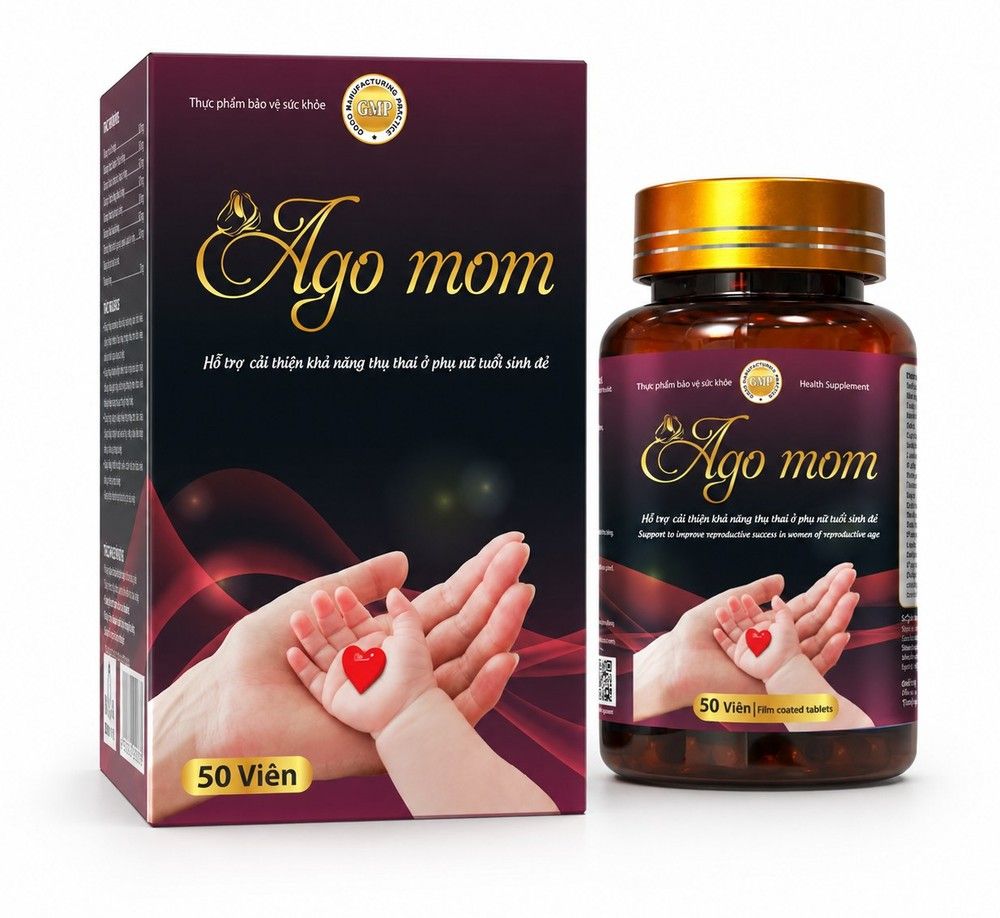
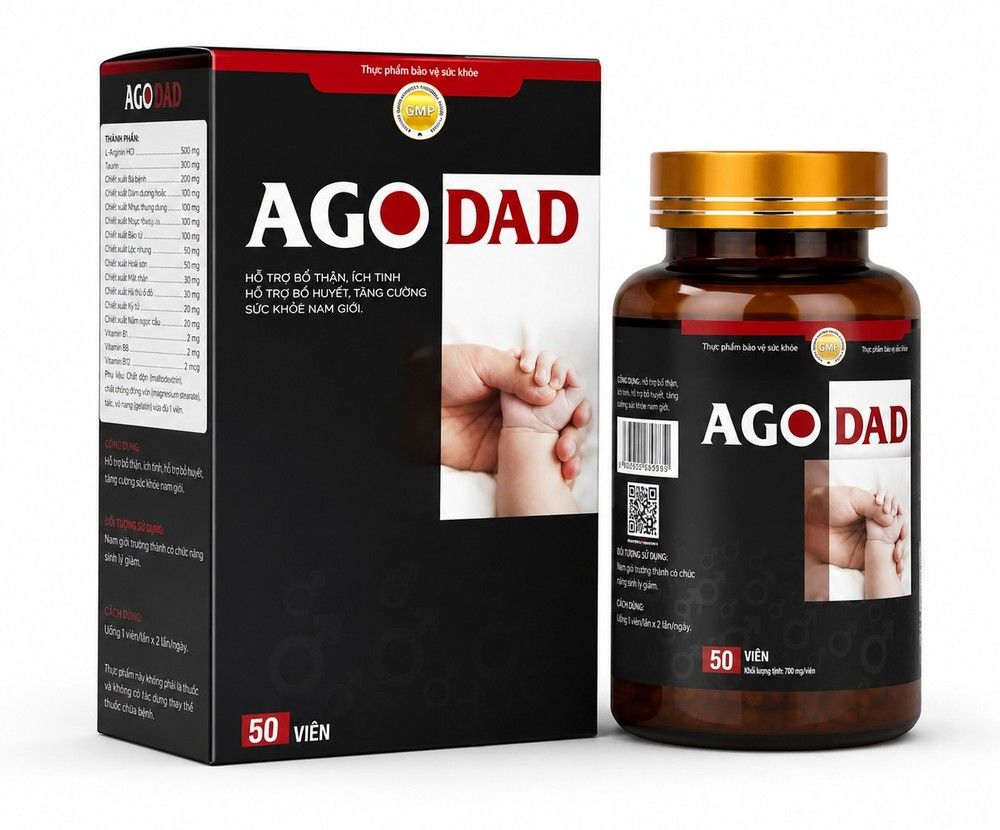
Small, gradual swaps tend to stick far better than an abrupt overhaul: switching to olive oil instead of butter, adding one fish-based dinner per week, or snacking on nuts instead of packaged crackers are all manageable starting points. Alongside these dietary shifts, many couples also choose to support their nutritional foundation with targeted products like AGO Mom and AGO Dad, each formulated for each partner's specific reproductive health needs.
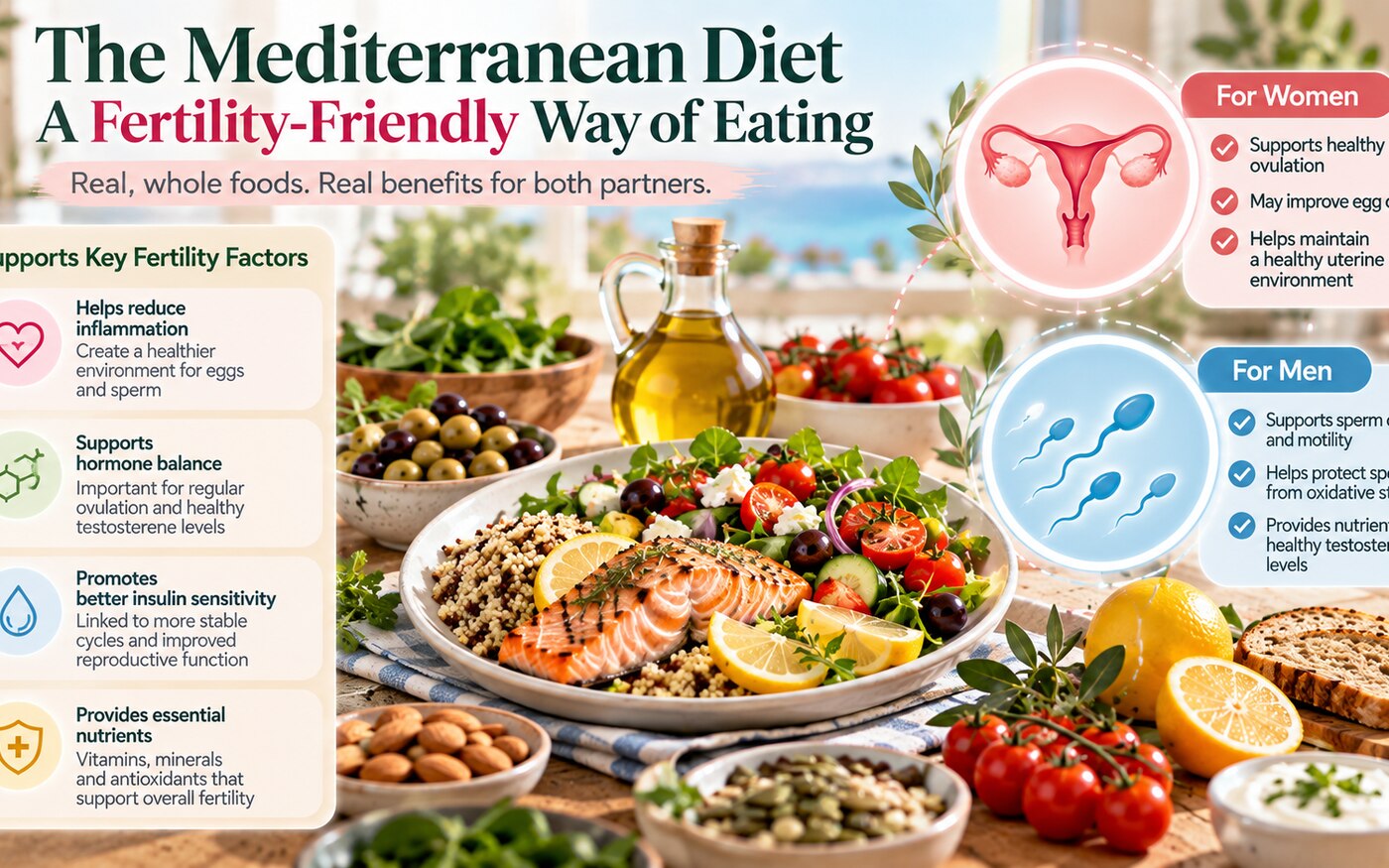
Message AGO Fertility Care for help building a fertility-friendly eating plan for you and your partner, with personalized advice for your situation.
Chat With AGO on WhatsApp