Eggs are among the longest-lived cells in the human body — a woman's eggs have been present since before she was born, quietly waiting, decade after decade, for their turn to mature and potentially be fertilized. Over that long wait, they're exposed to a slow, cumulative process called oxidative stress: a kind of cellular "wear and tear" caused by unstable molecules called free radicals. Antioxidants are the body's main defense against this process, which is exactly why fertility nutrition research puts such a strong emphasis on antioxidant-rich foods.
How oxidative stress actually affects egg health over time
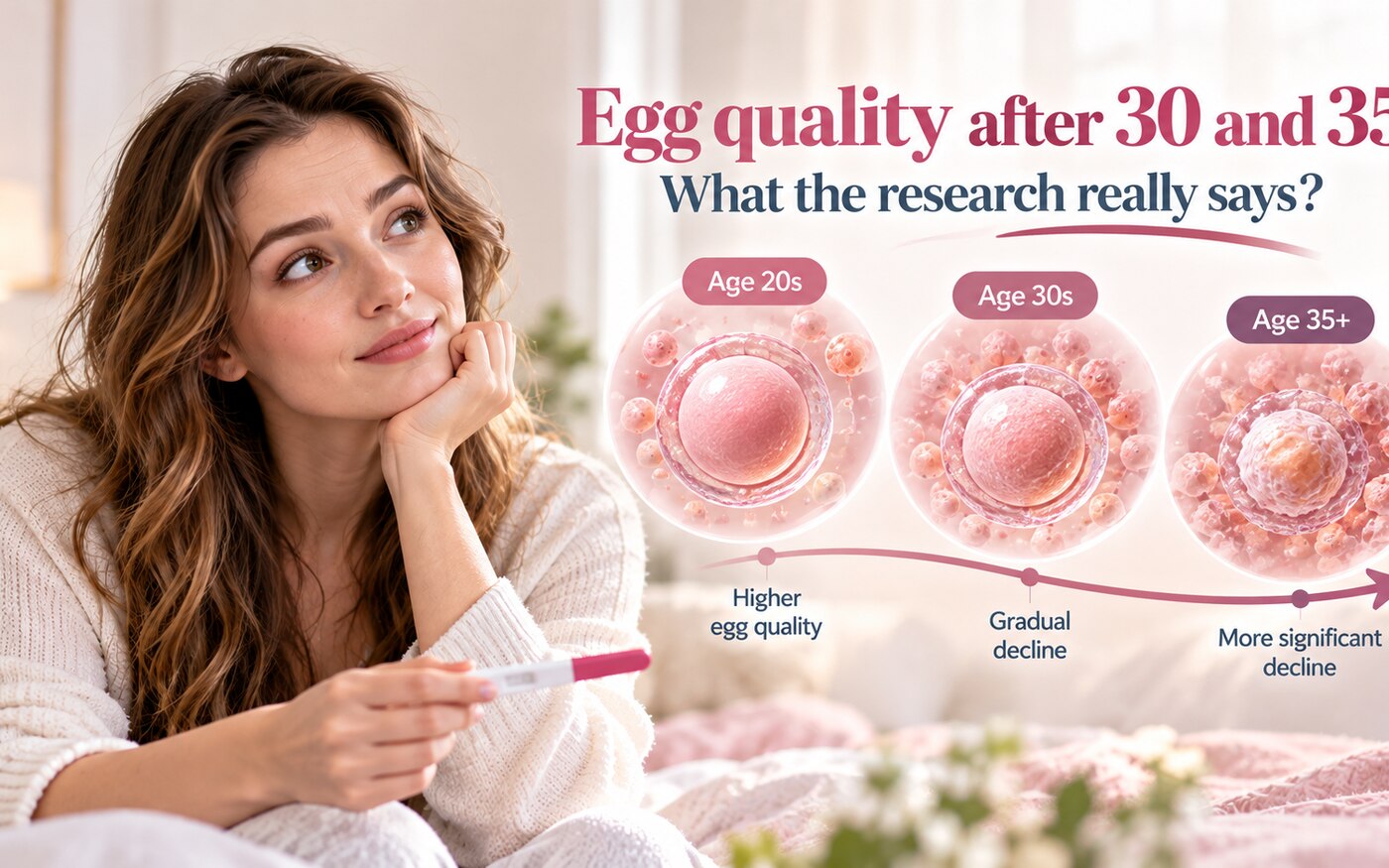
Free radicals are naturally occurring, unstable molecules that can damage the delicate structures inside cells, including the mitochondria (the energy-producing components) inside egg cells. Because eggs need enormous amounts of cellular energy to mature properly and support early embryo development, mitochondrial damage from years of accumulated oxidative stress is one of the mechanisms researchers believe contributes to declining egg quality with age. Antioxidants help neutralize free radicals before they cause this kind of damage, potentially supporting healthier cellular function in eggs, sperm, and throughout the reproductive system.
The top antioxidant-rich foods worth adding to your routine
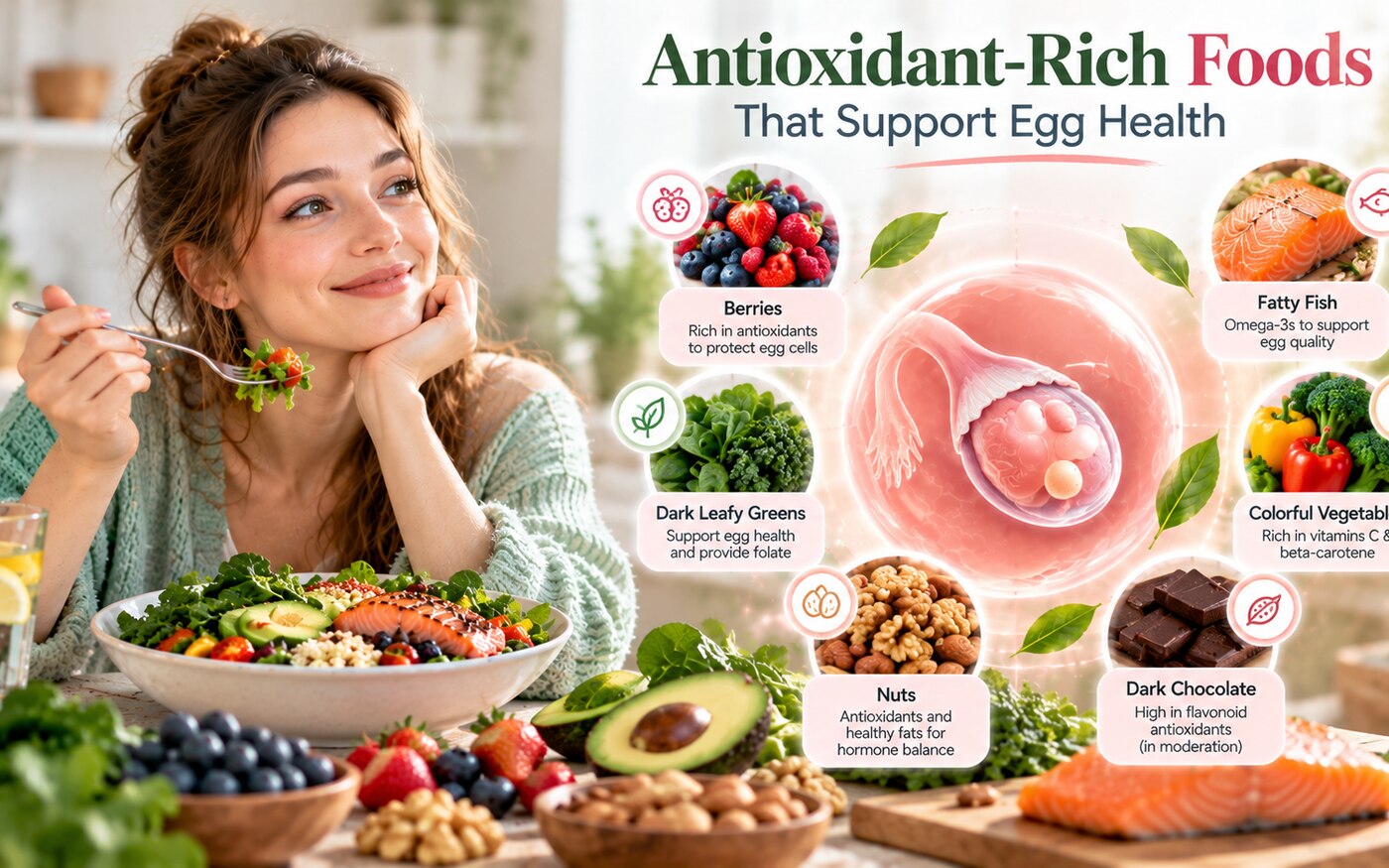
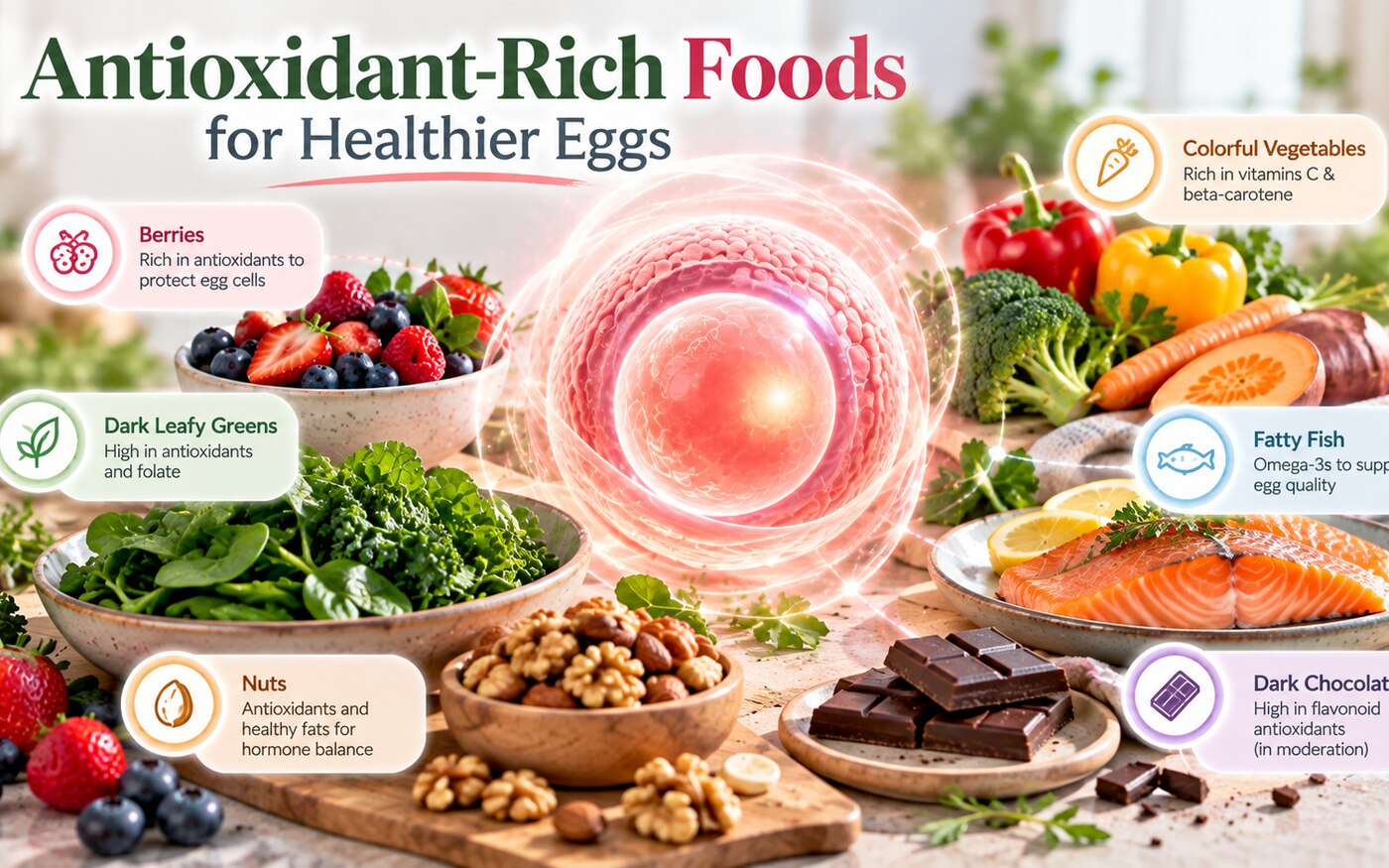
- Berries — blueberries, strawberries, and raspberries are among the most antioxidant-dense fruits available, easy to add to breakfast or snacks
- Dark leafy greens — spinach and kale are rich in both antioxidants and folate, offering a double benefit for reproductive health
- Nuts, especially walnuts and almonds — combine antioxidants with healthy fats that also support hormone production
- Colorful vegetables — bell peppers and sweet potatoes provide vitamin C and beta-carotene, both linked to antioxidant activity
- Dark chocolate, in moderation — surprisingly rich in flavonoid antioxidants, and a genuinely enjoyable way to work them into your diet
The specific antioxidant nutrients most studied for fertility
Vitamin C, vitamin E, selenium, and Coenzyme Q10 (CoQ10) are among the most researched antioxidants in fertility science, each supporting cellular health through slightly different mechanisms — vitamin E protects cell membranes, vitamin C regenerates other antioxidants once they've been "used up," and CoQ10 supports the mitochondrial energy production mentioned above.
Where to find each key antioxidant in everyday foods
It can feel easier to plan meals when you know which foods carry which nutrients. Here is a simple guide to the antioxidants mentioned above:
- Vitamin C: oranges, kiwi, strawberries, bell peppers, broccoli and tomatoes. Eating some raw keeps more of it, since heat breaks it down.
- Vitamin E: sunflower seeds, almonds, hazelnuts, avocado, spinach and olive oil.
- Selenium: seafood, eggs, whole grains and Brazil nuts. Brazil nuts are so rich in selenium that one or two at a time is plenty.
- CoQ10: your body makes its own, and small amounts come from fatty fish, meat and whole grains. Our article on CoQ10 and fertility explains more.
- Carotenoids such as lycopene and beta-carotene: tomatoes, carrots, sweet potatoes, pumpkin and dark leafy greens. Lycopene from tomatoes is absorbed better when cooked with a little olive oil.
Everyday habits that add to oxidative stress
Eating more antioxidants is only half of the picture. The other half is lowering the things that create extra free radicals in the first place. You do not need to be perfect here. Small steps still count.
- Smoking and vaping: smoking is one of the strongest sources of oxidative stress and is linked to lower fertility in both partners. Quitting is one of the most helpful changes you can make.
- Heavy drinking: alcohol adds to oxidative stress, so cutting back is a good idea while trying to conceive.
- Short or poor sleep: aim for a regular bedtime and around seven to nine hours a night.
- Ongoing stress: gentle walks, breathing exercises or talking with someone you trust can all help your body recover.
- Ultra-processed foods: deep-fried snacks and processed meats tend to crowd out the colorful foods your body needs.
A sample antioxidant-rich day
- Breakfast: oatmeal topped with blueberries, chopped walnuts and a sprinkle of cinnamon.
- Lunch: a spinach salad with bell peppers, chickpeas, sunflower seeds and an olive oil dressing.
- Snack: a kiwi or orange with a small handful of almonds.
- Dinner: salmon with roasted sweet potato and broccoli, or a tomato and lentil stew.
- Treat: a square or two of dark chocolate with tea.
Myths vs facts about antioxidants and egg health
- Myth: a high-dose supplement is better than food. Fact: whole foods provide many antioxidants that work together, plus fiber and other nutrients. Very large doses of single antioxidants have not been shown to work better, and some can cause problems.
- Myth: antioxidants can reverse egg aging. Fact: no food can turn back the clock or increase the number of eggs you have. A nourishing diet may support a healthier environment for the eggs that are maturing now.
- Myth: you need expensive superfood powders. Fact: frozen berries, canned tomatoes, carrots and spinach are affordable and full of antioxidants.
- Myth: it only matters for women. Fact: sperm are very sensitive to oxidative stress too, so it helps when both partners eat this way.
For a deeper look at everything that shapes egg health, from age to lifestyle, see our guide to egg quality.
Building this into everyday life without overthinking it
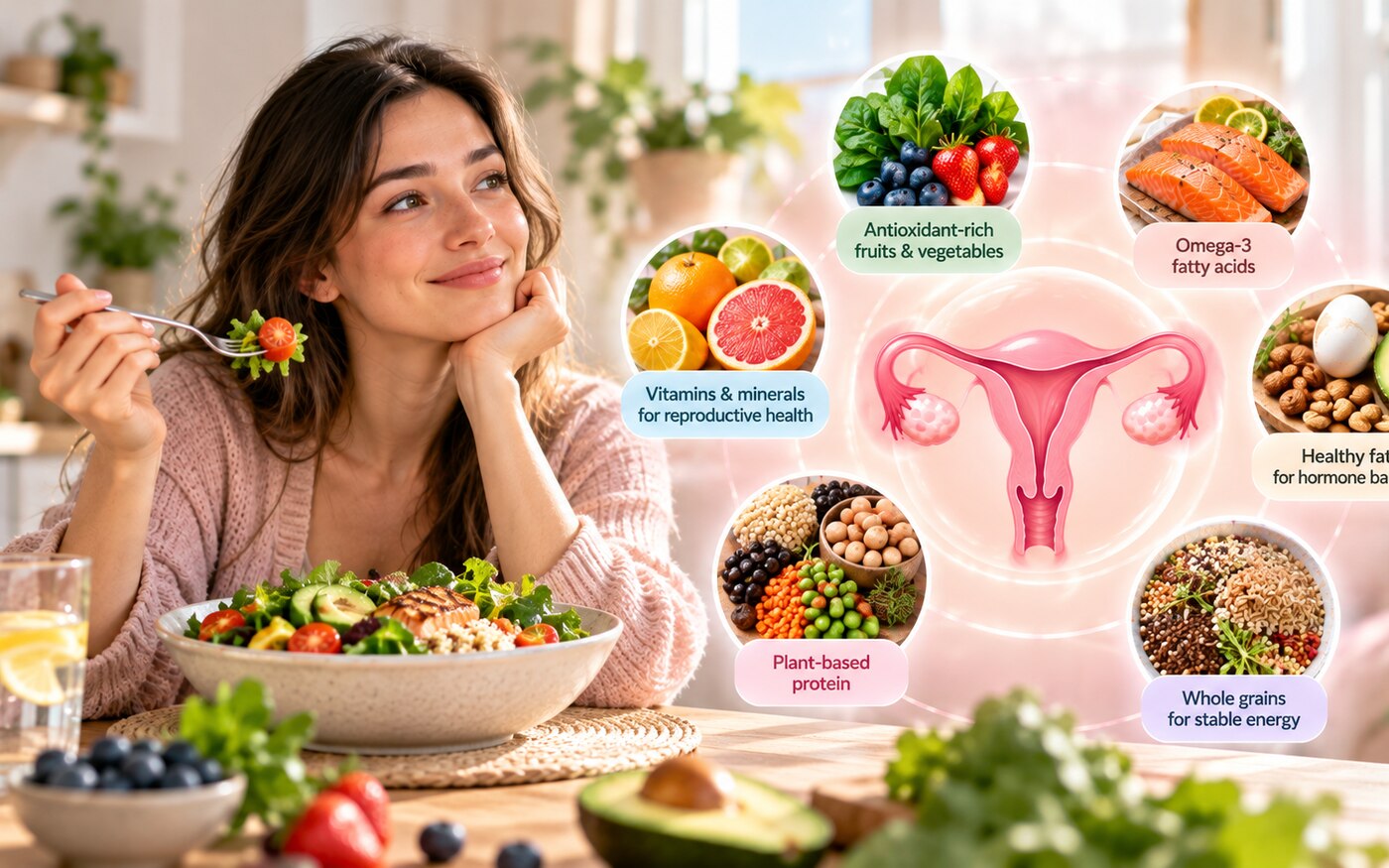
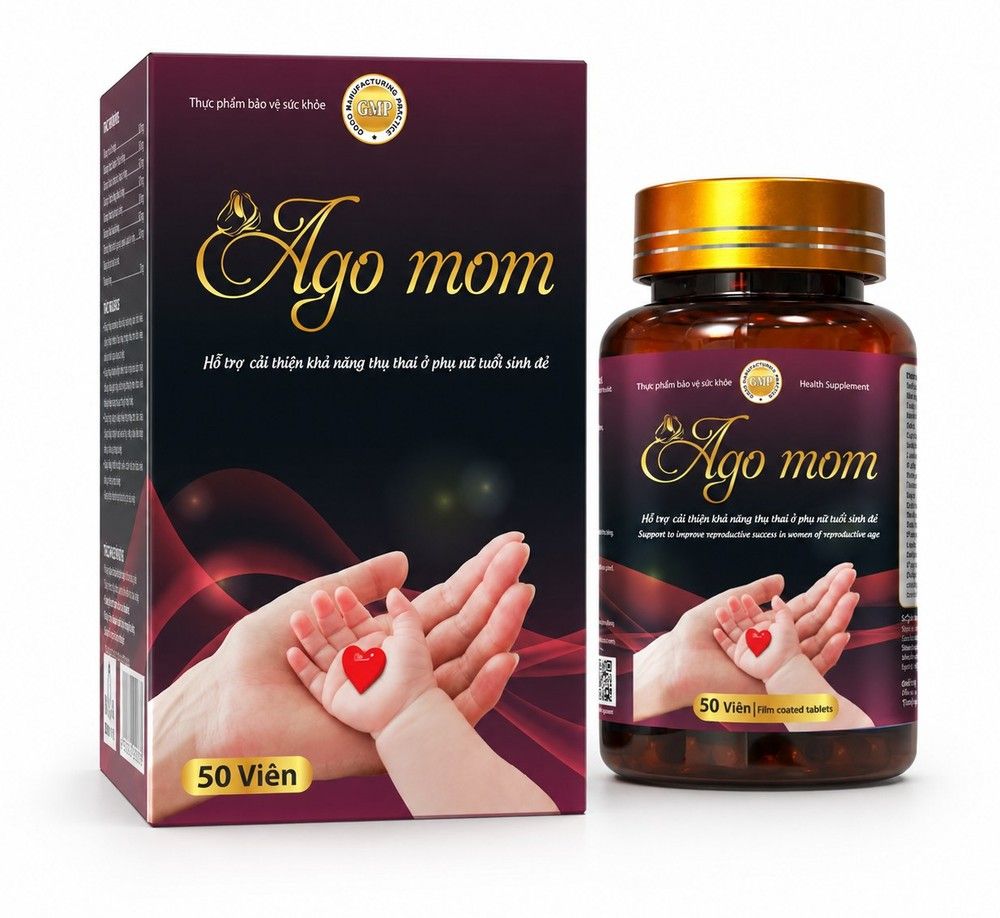
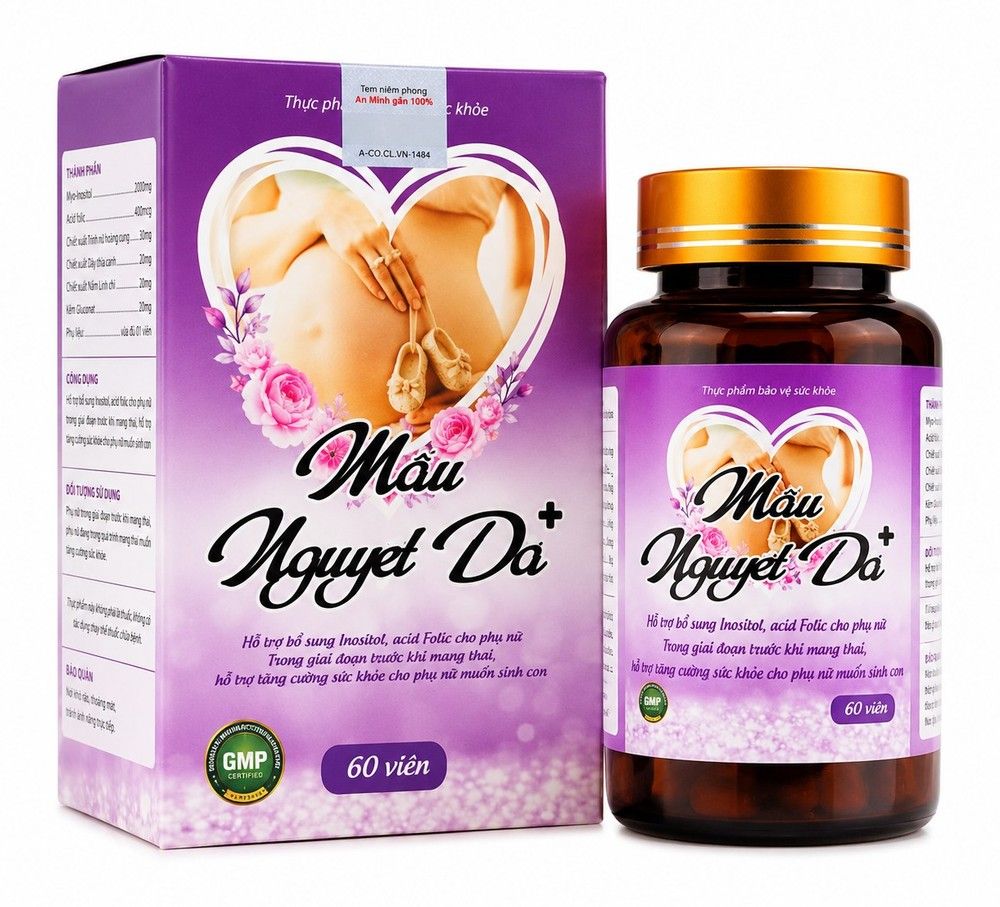
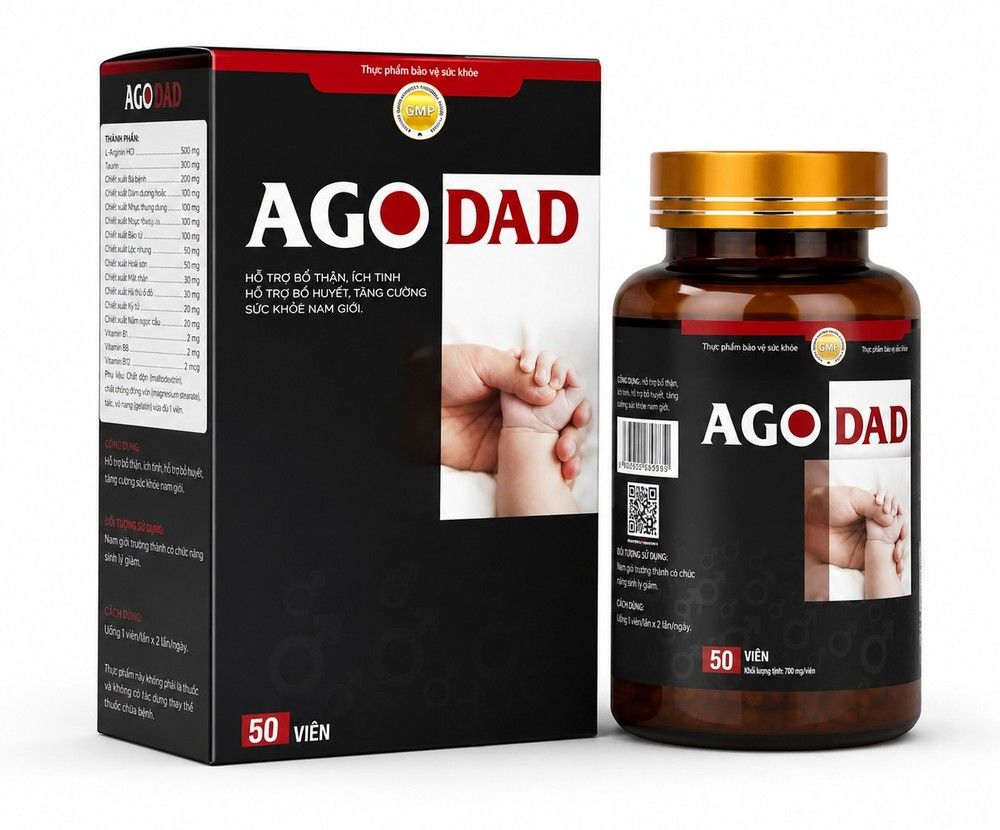
Rather than obsessively tracking individual nutrients, many women find it far easier to simply "eat the rainbow" — aiming for a genuine variety of colorful fruits and vegetables every day, since different colors typically indicate different antioxidant compounds at work. Alongside this, considering a targeted supplement can help fill any remaining gaps, which is one reason many AGO products formulated for women include antioxidant support as part of their nutritional profile.
Want a simple plan to support your egg health?
Instead of another generic food list, message AGO Fertility Care for a personalized nutrition plan built around your routine and your fertility goals.
Chat With AGO on WhatsApp