Of all the tools couples reach for when they start trying to conceive, an ovulation calculator is usually the very first — free, instant, and requiring nothing more than knowing your cycle length. It's a genuinely useful starting point, but like any estimate, it works better for some women than others, and understanding the math behind it helps you know when to trust it and when to look for more information.
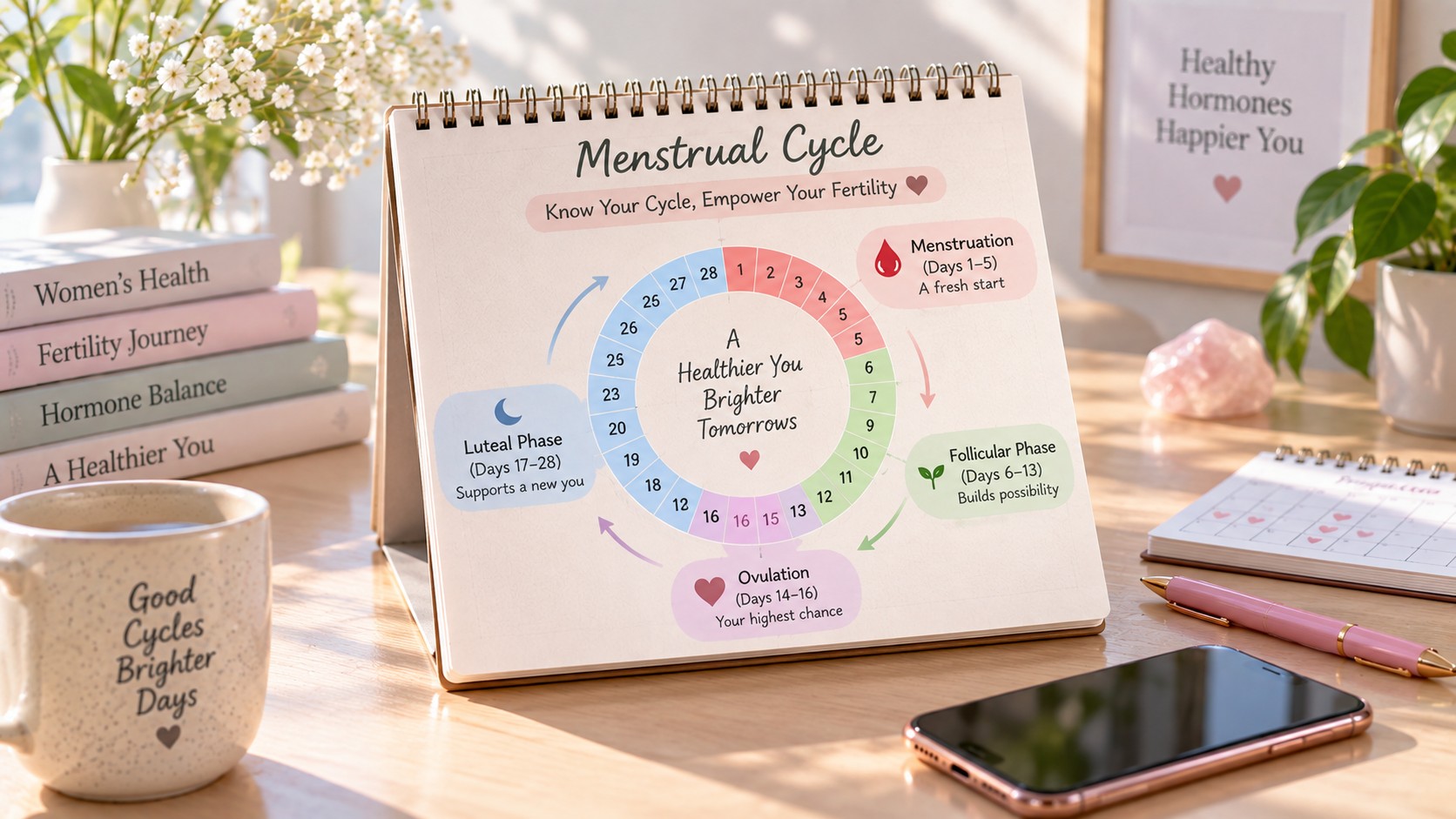
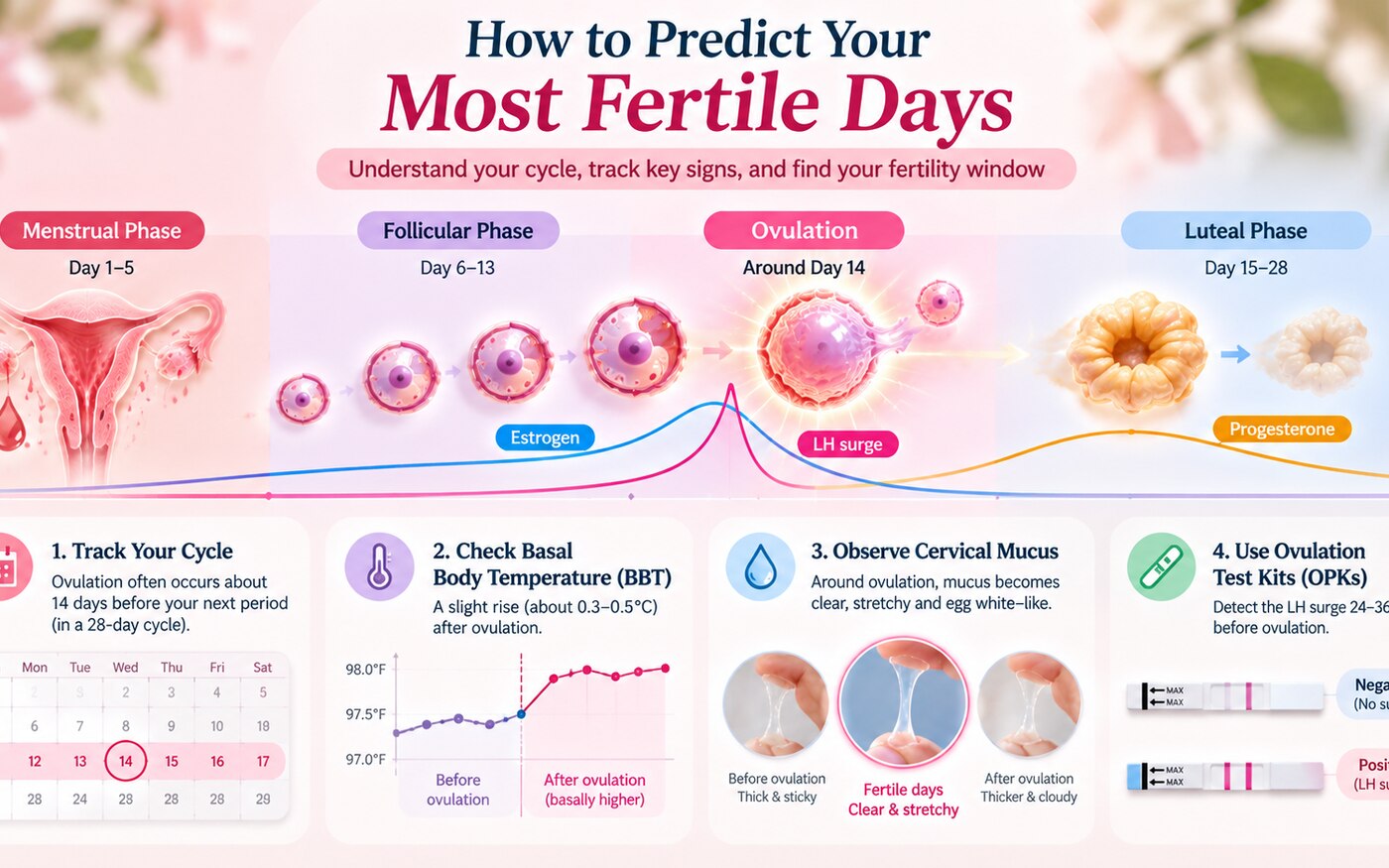
Most calculators use a simple formula: they count backward roughly 14 days from the expected start of your next period, since ovulation typically happens about two weeks before menstruation begins (not, as many people assume, 14 days after your period starts — that assumption only holds true for a textbook 28-day cycle). If your average cycle is 28 days, ovulation is estimated around day 14. If your cycle runs 32 days, ovulation shifts later, around day 18. The fertile window itself spans roughly five days before ovulation through the day of ovulation, since sperm can survive in the reproductive tract for several days waiting for an egg to be released.
Calculators work best for women whose cycles are consistently regular, month after month. If your cycle length varies noticeably — common with irregular periods, PCOS, perimenopause, or simply everyday hormonal fluctuation — a calculator built purely on averages can be off by several days, which matters a great deal when the fertile window itself is so narrow.
Because ovulation usually happens about 14 days before your next period, the estimate moves with your cycle length. Here is roughly how that looks:
These are estimates. Your own luteal phase may be a bit shorter or longer than 14 days, which is one more reason to pair a calculator with body signs. Our guide to
cycle phases and the fertile window explains what each phase does.You do not need to hit one perfect day. Sperm can live for several days, while the egg lives for about a day after release. So the best chances usually come from sex in the two or three days before ovulation and on ovulation day itself. Having sex every one to two days through the window is a simple, low-pressure plan. There is no need to wait for a positive ovulation test before starting, since by then part of the window has already passed.
Consider booking a visit if your cycles are often shorter than 21 days or longer than 35 days, if they change by more than a week from month to month, or if your ovulation tests rarely or never turn positive. These can be signs that ovulation is not happening regularly, which is common with conditions like PCOS. Our post on
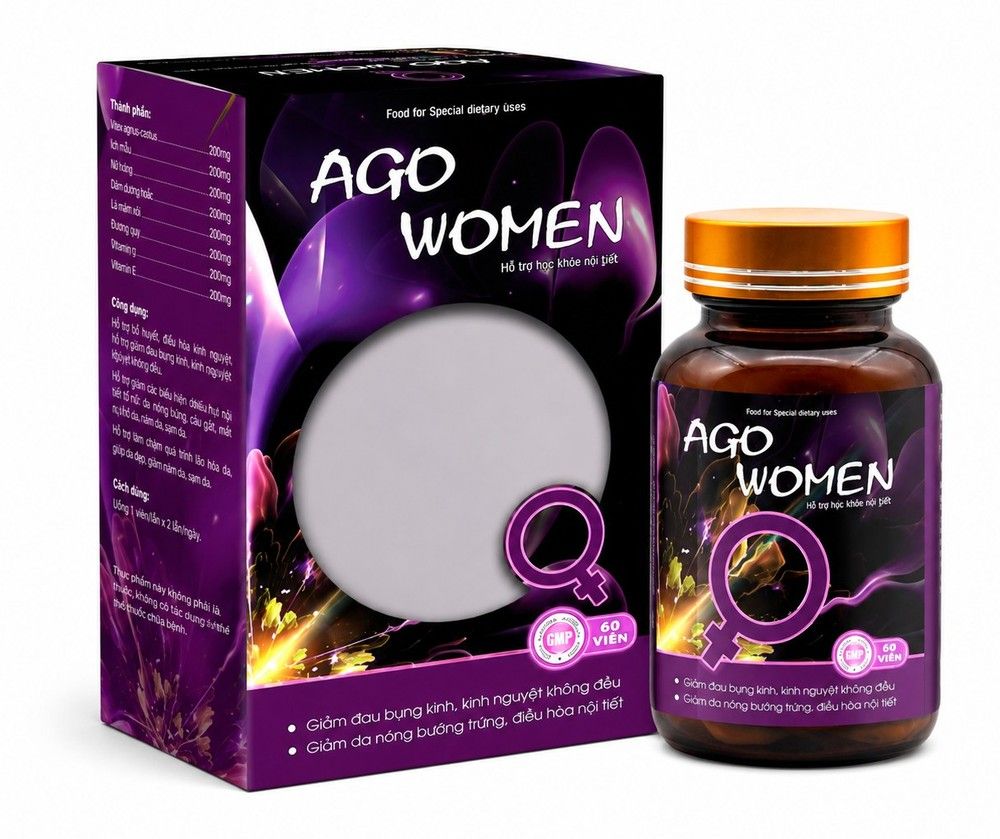
PCOS and ovulation explains more. It is also worth checking in after 12 months of trying, or 6 months if you are 35 or older.If your periods are irregular — arriving anywhere from 21 to 40+ days apart, or skipping entirely some months — relying on a calculator alone can lead to missed fertile windows and mounting frustration. In these cases, it's often worth looking at what's driving the irregularity in the first place, since supporting more balanced, predictable cycles makes every tracking method — calculator, OPK, or otherwise — significantly more reliable. Products like Mẫu Nguyệt Đà are formulated specifically to help support more regular, predictable menstrual cycles, giving your body (and your tracking tools) a steadier baseline to work with.
No calculator can fix an irregular cycle on its own. Message AGO Fertility Care for personalized advice and a care plan to help support a steadier, more predictable cycle.
Chat With AGO on WhatsApp