If your period shows up early one month, late the next, or skips a month altogether, you're far from alone. Irregular periods are one of the most common reasons women search for answers about their reproductive health — and one of the most common early signals that hormones may need extra support.
This isn't about alarm. Think of your cycle as a monthly report card from your body. Learning to read it — gently, without judgment — is one of the most useful things you can do for your long-term reproductive health, especially if you're hoping to conceive naturally.
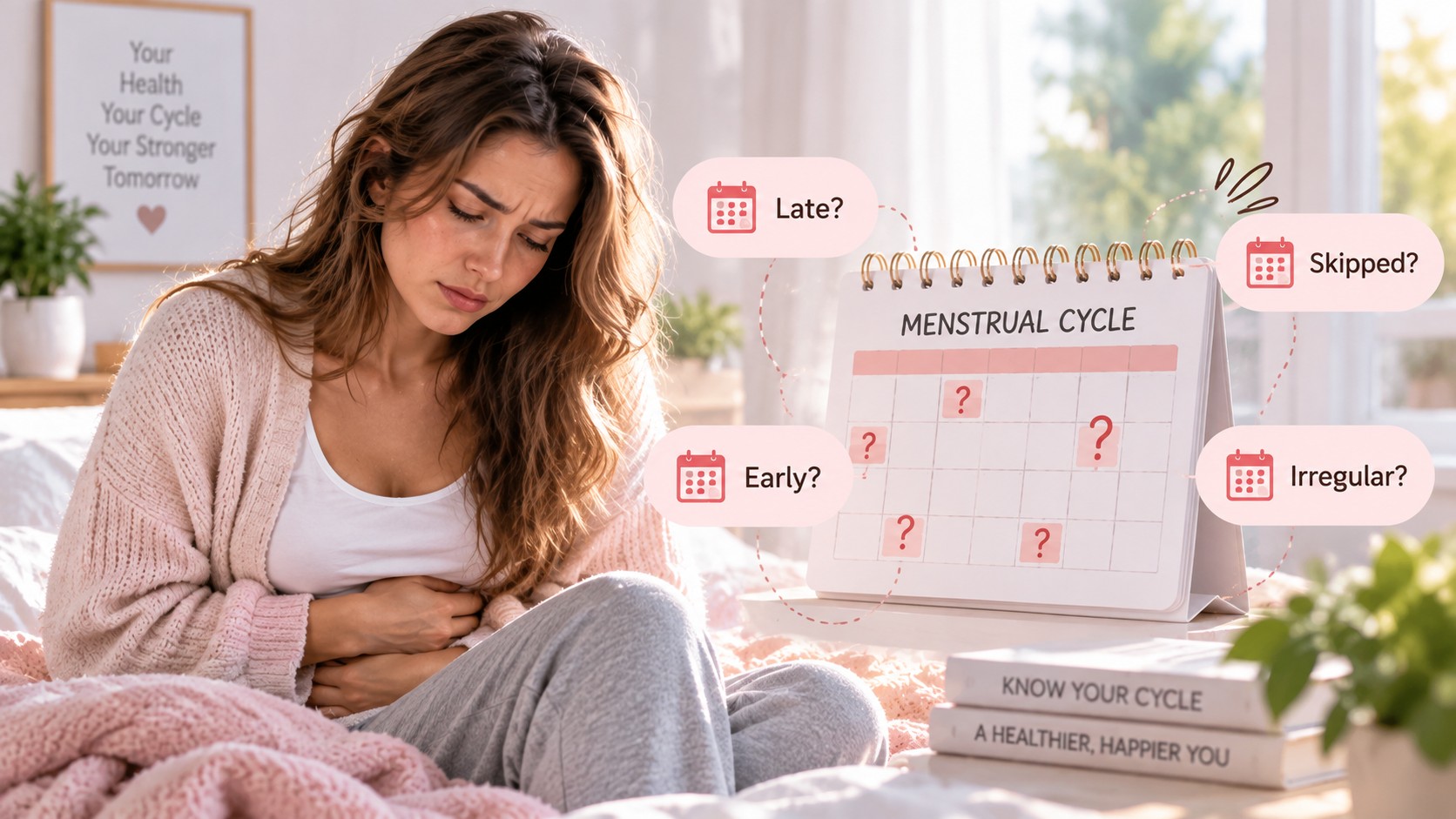
A typical menstrual cycle runs anywhere from about 21 to 35 days, counted from the first day of one period to the first day of the next. Cycles vary a little from person to person, and even month to month. A cycle pattern is generally considered irregular when one or more of the following happens repeatedly, not just once:
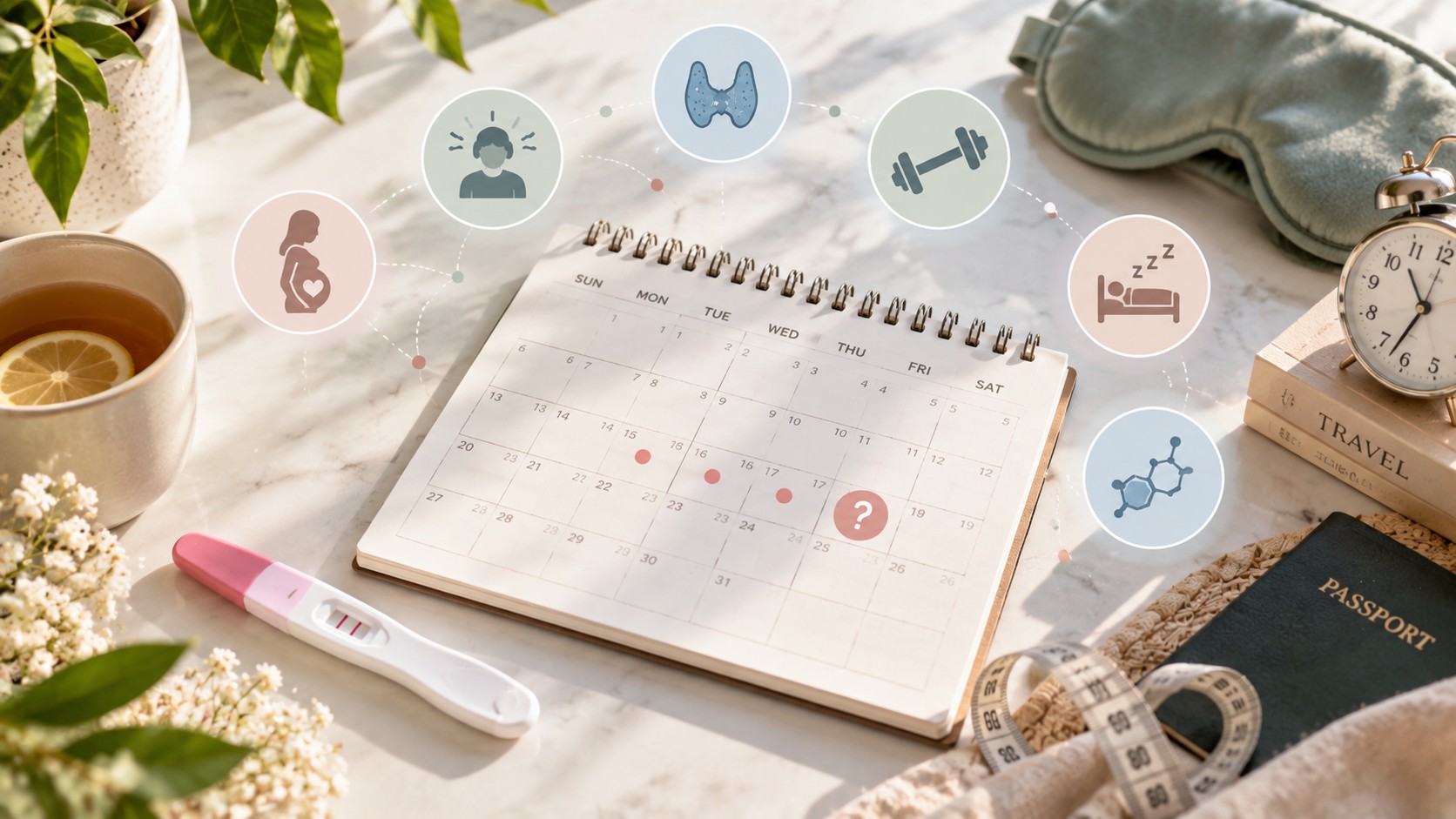
A single unusual cycle is often nothing to worry about — travel, illness, or a stressful week can shift things temporarily. A pattern that repeats for several months is what's worth paying attention to.
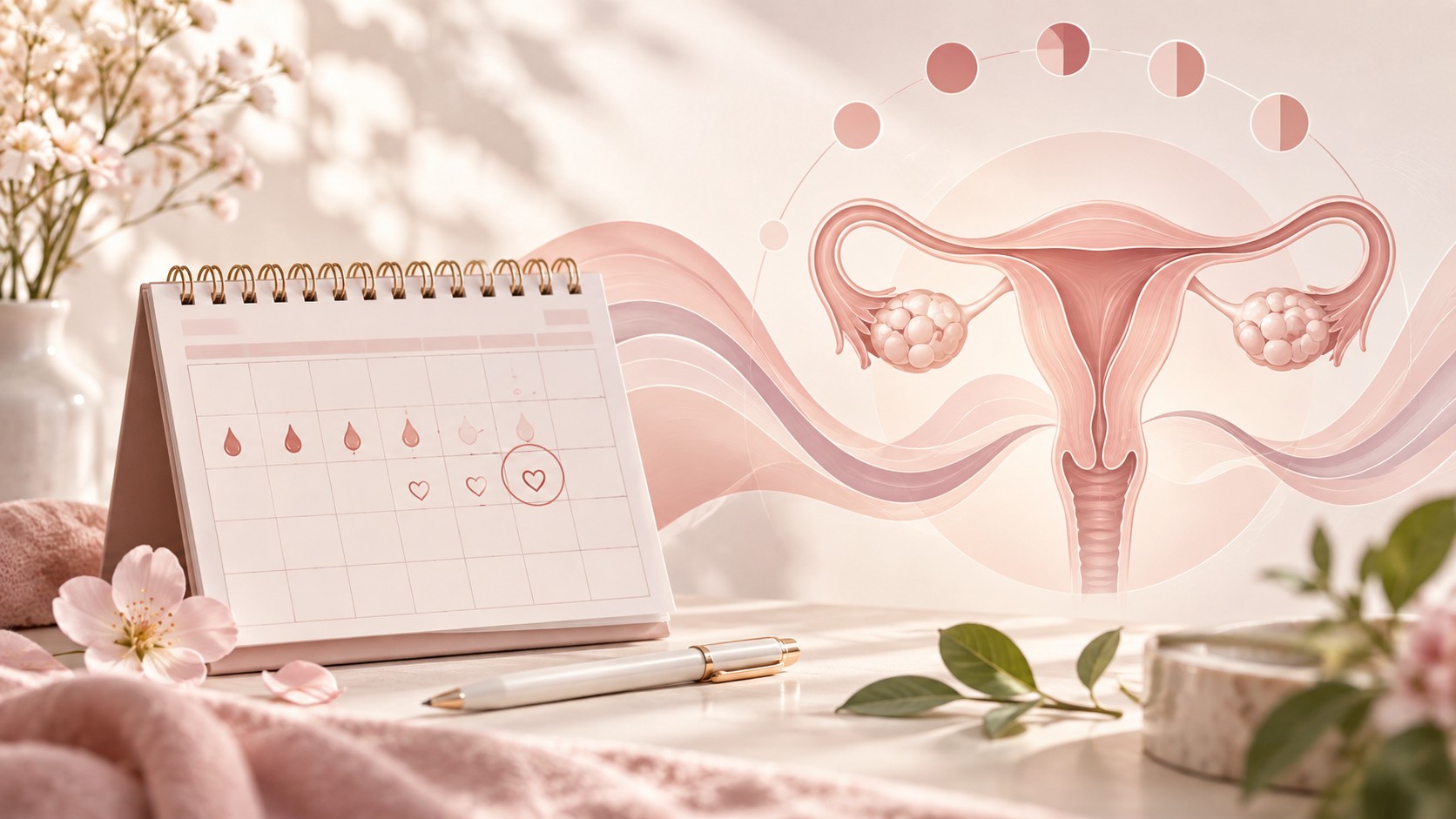
Your menstrual cycle is coordinated by a chain of hormonal signals between the brain and the ovaries: the hypothalamus and pituitary gland send signals that prompt an egg to mature and be released (ovulation), while estrogen and progesterone rise and fall to prepare and then shed the uterine lining. When any link in this chain is disrupted, the whole rhythm can shift — which is why irregular periods are so often described as a hormone-balance issue rather than a problem with the uterus itself.
PCOS is one of the most common hormonal causes of irregular or infrequent ovulation. It's often linked with longer or unpredictable cycles, and sometimes with other signs such as acne or changes in hair growth. Learn more about PCOS symptoms and causes here.
The thyroid gland helps regulate metabolism, and both an underactive and an overactive thyroid can disrupt the hormonal signals that drive ovulation, sometimes leading to longer, shorter, or missed cycles.
Prolonged emotional or physical stress can affect the brain signals that trigger ovulation. This doesn't mean stress alone always explains irregular cycles, but chronically poor sleep and high stress are rarely neutral for hormone rhythm.
Both significant weight loss and weight gain, especially when rapid, can shift hormone levels enough to disrupt ovulation and cycle regularity.
Cycle changes are also a normal part of the years leading up to menopause, as hormone production naturally shifts. Age and life stage are always useful context when looking at cycle changes.
Starting or stopping hormonal birth control, and some other medications, can temporarily affect cycle regularity while your body readjusts.
Finding the reason behind irregular cycles is usually a step-by-step process. A provider will often start by asking about your cycle history, so bringing a few months of tracking notes is very helpful. From there, common next steps include:
Irregular cycles do not mean you cannot get pregnant. They mainly make ovulation harder to predict, and they can mean you ovulate less often, which gives fewer chances each year. Ovulation predictor kits and watching for clear, stretchy cervical mucus can help you spot your fertile days even when the calendar is unreliable. If you are under 35 and have been trying for 12 months, or 35 or older and trying for 6 months, it is a good time to talk with a provider. With very irregular cycles, it is reasonable to ask sooner. Our guide to cycle phases and the fertile window explains the timing in more detail.
There's no single fix for irregular periods, because the underlying reasons differ from person to person. That said, a few consistent habits may help support your body's hormonal foundation over time:
This is exactly the kind of everyday, whole-body foundation that AGO Mom and AGO Eva are formulated to support — nutrients chosen to help support hormonal balance and cycle health as part of a broader care routine, not as a stand-alone fix.
An irregular cycle is information, not a verdict. Many women go on to conceive naturally after identifying and addressing the underlying pattern with the right support.
Message AGO Fertility Care and share your cycle pattern, how long it's been irregular, and any other symptoms you've noticed. Our team can help you understand possible next steps and a personalized care routine.
Chat With AGO on WhatsApp