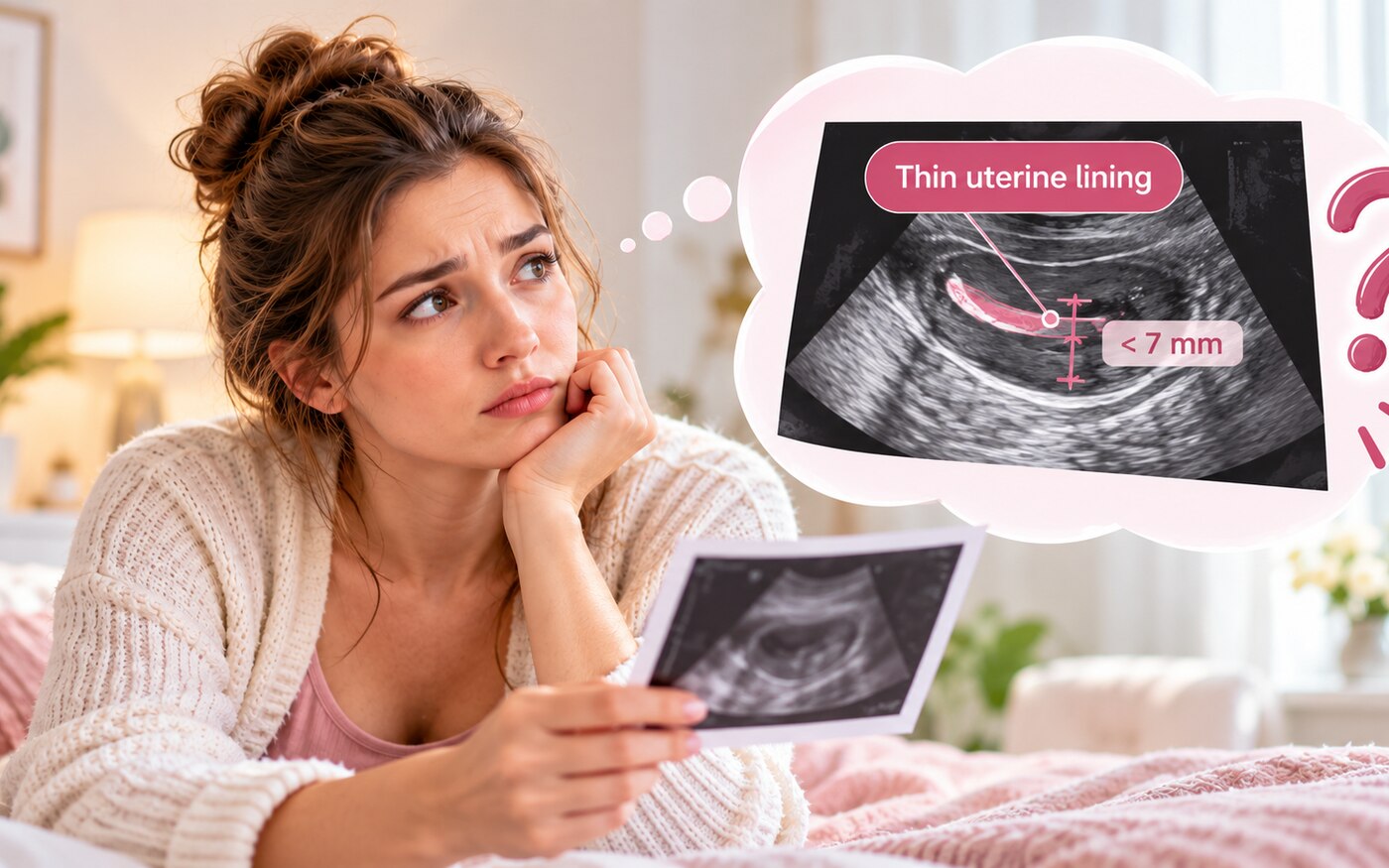
A routine ultrasound turns into an anxious moment when the technician mentions, almost in passing, that your uterine lining looks "a bit thin." If you're trying to conceive, that offhand comment can spiral into hours of worried searching. What does it actually mean for your chances of getting pregnant? Is this something that can change, or is it a fixed limitation? The reassuring truth is that a thin uterine lining is something doctors see and work with regularly — it's a factor to understand and, in many cases, actively support, not a life sentence.
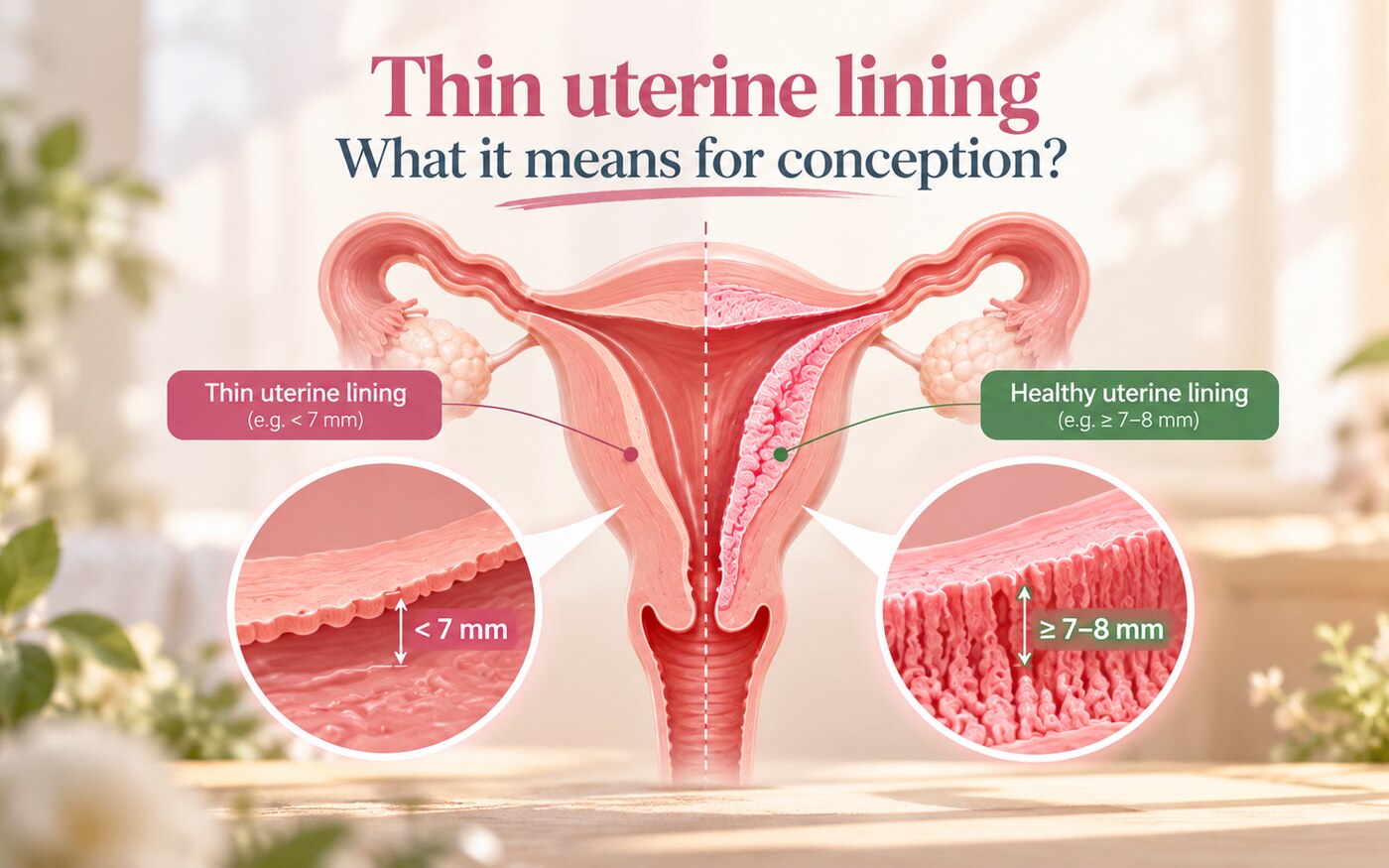
Each menstrual cycle, your endometrium (the uterine lining) thickens under the influence of estrogen, building a soft, nutrient-rich tissue designed to receive and nourish a fertilized egg. If no pregnancy occurs, this lining sheds as your period. But if the lining doesn't thicken enough during a given cycle, even a healthy, fertilized egg may struggle to implant successfully — essentially, the "soil" isn't rich enough to support the seed, no matter how strong that seed is.
Most doctors consider a lining of roughly 7-8mm or more near ovulation to be a favorable, receptive thickness for implantation, though this benchmark varies somewhat between individual physicians and clinics. It's worth remembering that lining thickness is just one piece of a larger picture — texture and pattern (visible on ultrasound as a "trilaminar" or triple-line appearance) also matter, and some women conceive successfully with linings on the thinner end of what's typically recommended.
Your lining is usually measured with a transvaginal ultrasound. This is a small, gentle probe placed in the vagina that gives a clear view of the uterus. The timing matters a lot. Right after your period, the lining is naturally thin. It grows through the first half of your cycle and is usually thickest around ovulation. So a "thin" reading early in the cycle may simply be normal for that day.
If your doctor suspects scar tissue or something inside the uterus, they may suggest other tests:
A thin lining does not mean you can't get pregnant. It means one part of the implantation picture may need extra attention. For women trying naturally, it often helps to look at the whole cycle first. Are you ovulating regularly? Is your cycle a typical length? Our guide to cycle phases and your fertile window explains how the lining builds in step with your hormones.
Some women notice their periods have become very light or shorter over time. That can be one small clue worth mentioning to your doctor, especially after a uterine procedure. If you're having fertility treatment, your care team may track your lining closely and adjust the plan from cycle to cycle. Other uterine factors, like fibroids and their effect on pregnancy, can also be checked at the same time.
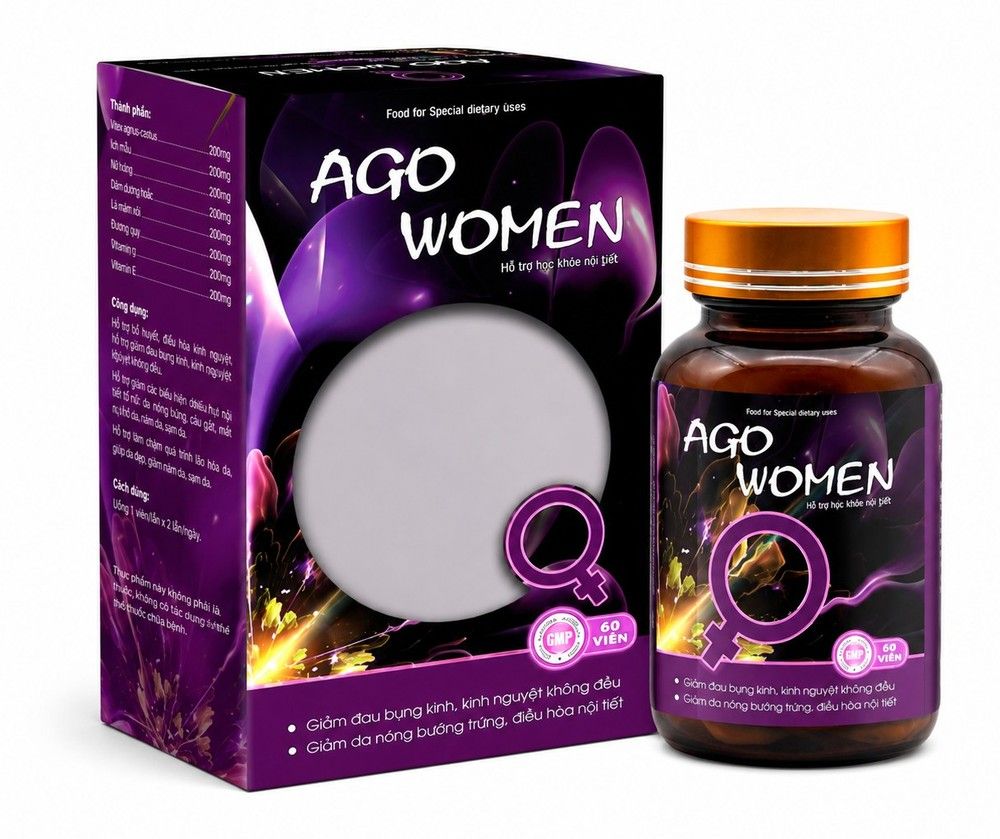
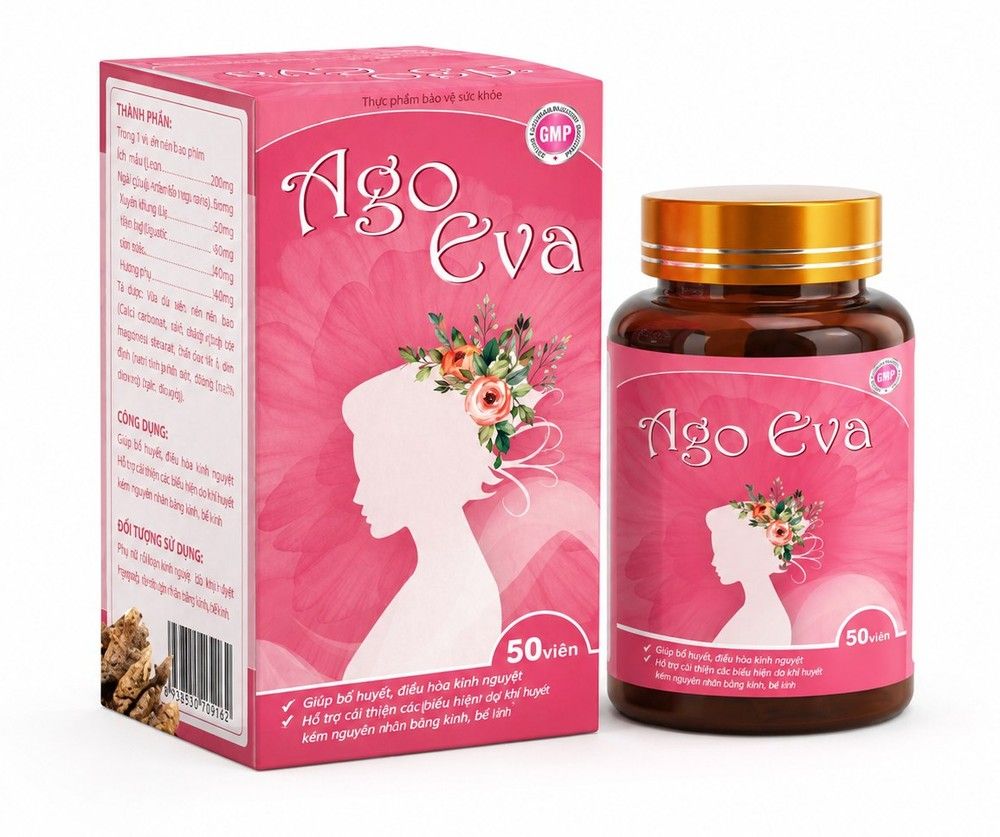
Improving blood flow to the uterus, supporting healthy estrogen balance, and maintaining overall reproductive wellness are the most common areas of focus for women working to improve lining thickness. Simple habits like staying well-hydrated, moderate regular exercise (which supports circulation), and reducing prolonged sitting can all play a supporting role. This is also part of why AGO Women is formulated to help support hormonal balance and uterine health as part of a woman's broader preparation for pregnancy — giving your body consistent, everyday support rather than a one-time fix.
If lining thickness has come up more than once, or if you've had previous uterine procedures, it's worth having a direct conversation with your doctor about what's driving it in your specific case and whether any targeted treatment (such as adjusting medication timing, or addressing underlying blood flow) might help.
If you're not sure what to do next, message AGO Fertility Care. We'll listen to your situation and suggest a personalized care routine to support your body as you prepare to conceive.
Chat With AGO on WhatsApp