If you've been diagnosed with fibroids while trying to conceive, one question is probably on your mind: will this affect my chances of getting pregnant? The honest answer is that it depends — mainly on where the fibroids are located, rather than simply whether you have them.
Not all fibroids affect fertility the same way. The uterine cavity — where an embryo implants and a pregnancy grows — is the key area of concern. Fibroids that distort or intrude into this cavity are more likely to interfere with implantation, while fibroids elsewhere on the uterus often have little to no impact.
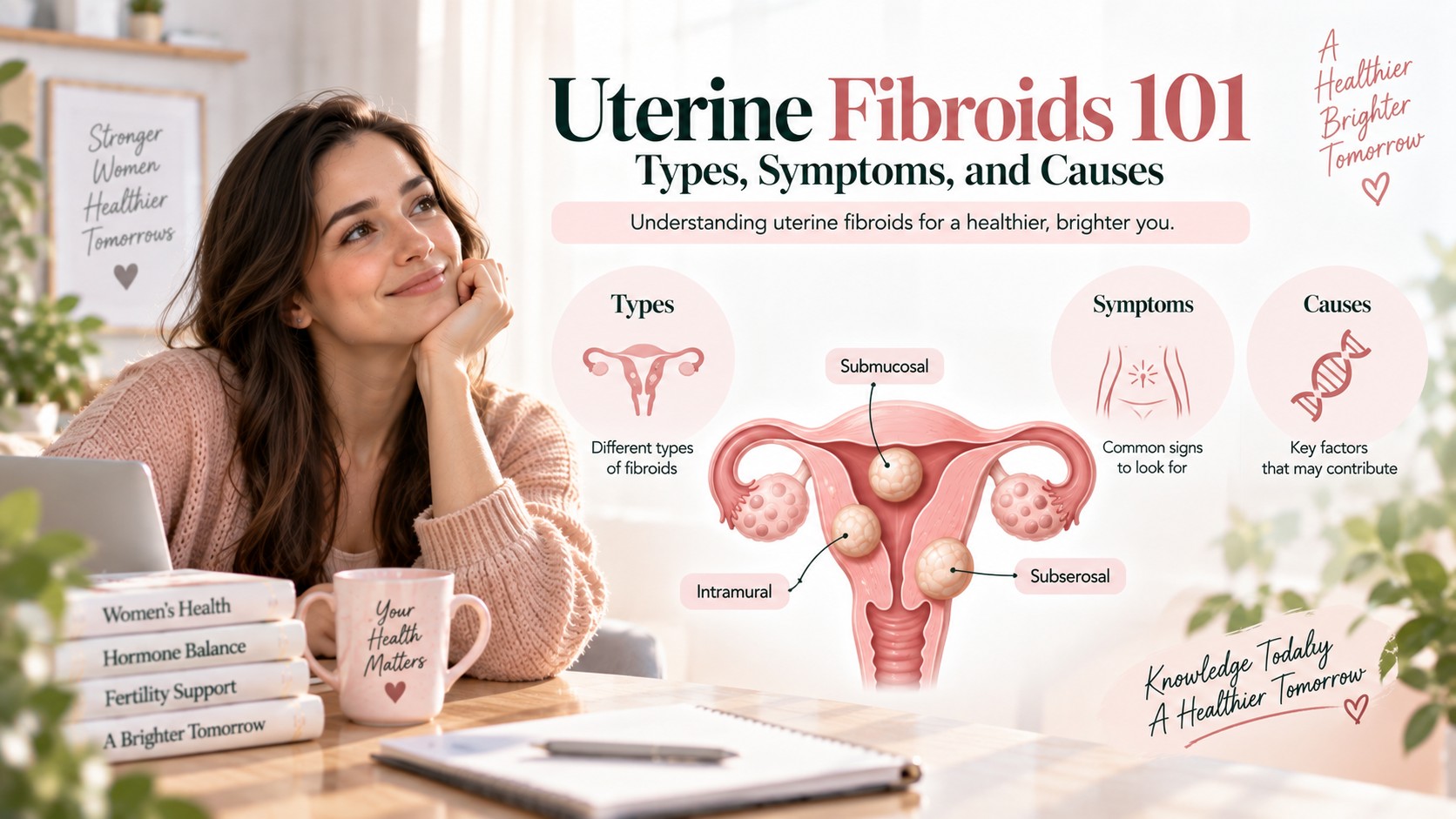
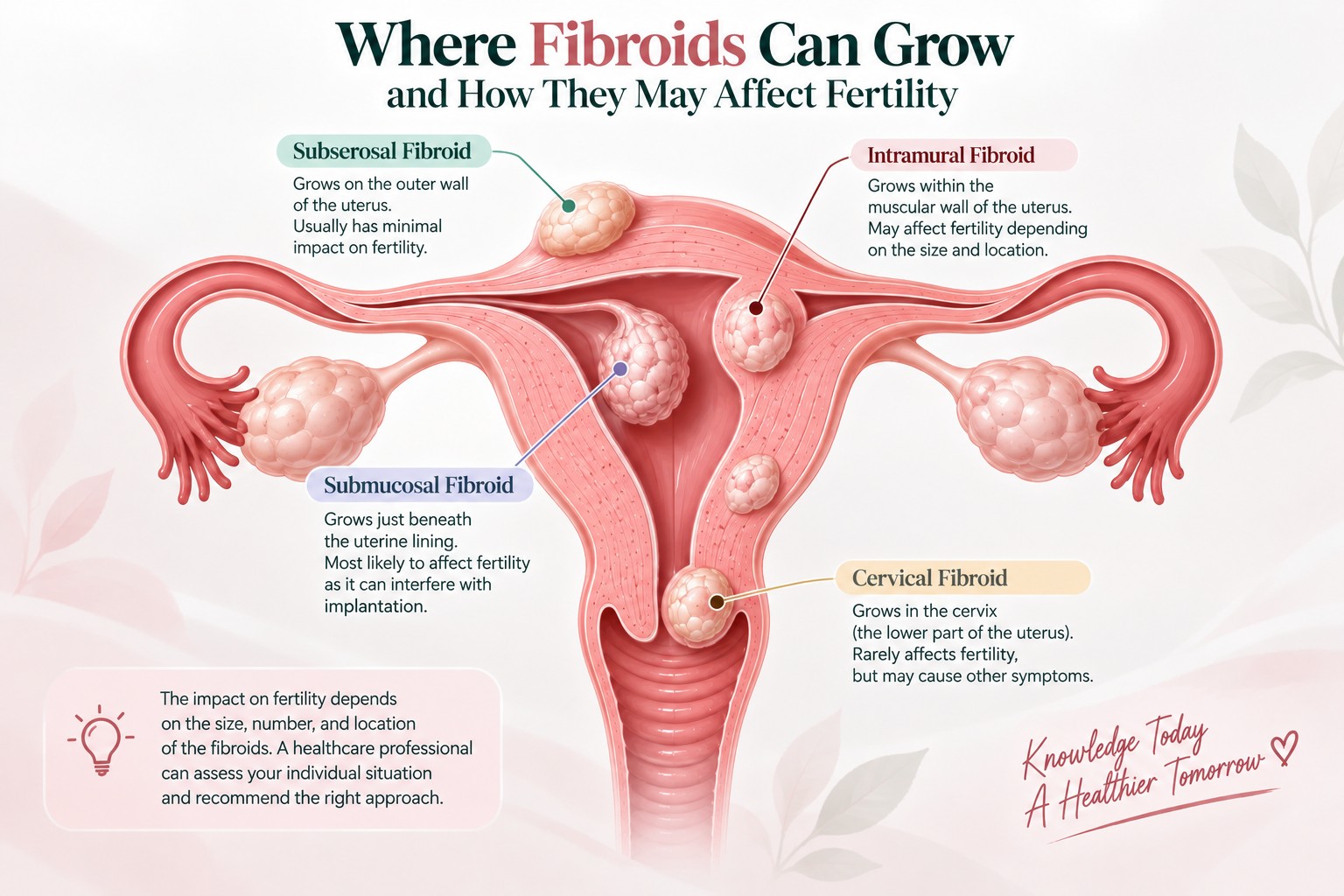
These grow just beneath the uterine lining and are the type most consistently linked to fertility difficulties, since they can directly disrupt the implantation site or the uterine cavity's shape.
These grow within the uterine muscle wall. Larger intramural fibroids, especially those that distort the cavity, may have some impact on fertility, though smaller ones often don't.
These grow on the outer surface of the uterus and generally have the least effect on fertility, since they don't typically involve the uterine cavity.
A healthcare professional will usually assess fibroid size, number, and location — often with a pelvic ultrasound, sometimes with additional imaging like a saline sonogram or MRI — before advising on next steps. This assessment is what actually determines whether treatment is recommended, not the mere presence of fibroids.
If treatment is recommended, your wish to have a baby shapes which options make sense. Not every fibroid treatment is a good fit when you are trying to conceive. Options a doctor may discuss include:
Some procedures, such as endometrial ablation or hysterectomy, are not suitable if you want a future pregnancy. After surgery, your provider will usually advise how long to wait before trying, to give the uterus time to heal. Ask about this early so you can plan.
Many people with fibroids have healthy pregnancies and babies. Most fibroids do not change much during pregnancy, though some grow a little in the first trimester. Some people feel pain or pressure as the uterus stretches.
Large fibroids, or fibroids in certain spots, can slightly raise the chance of things like the baby lying in a breech position, early labor or needing a cesarean birth. Your prenatal care team can keep track of your fibroids with routine ultrasounds and plan with you. Letting them know about your fibroids from the first visit is helpful.
General advice is to see a provider if you have been trying for 12 months and are under 35, or for 6 months if you are 35 or older. With known fibroids, it can make sense to go sooner. This is especially true if you have very heavy periods, a fibroid that reaches into the uterine cavity, or more than one pregnancy loss. Early answers can save you time and worry.
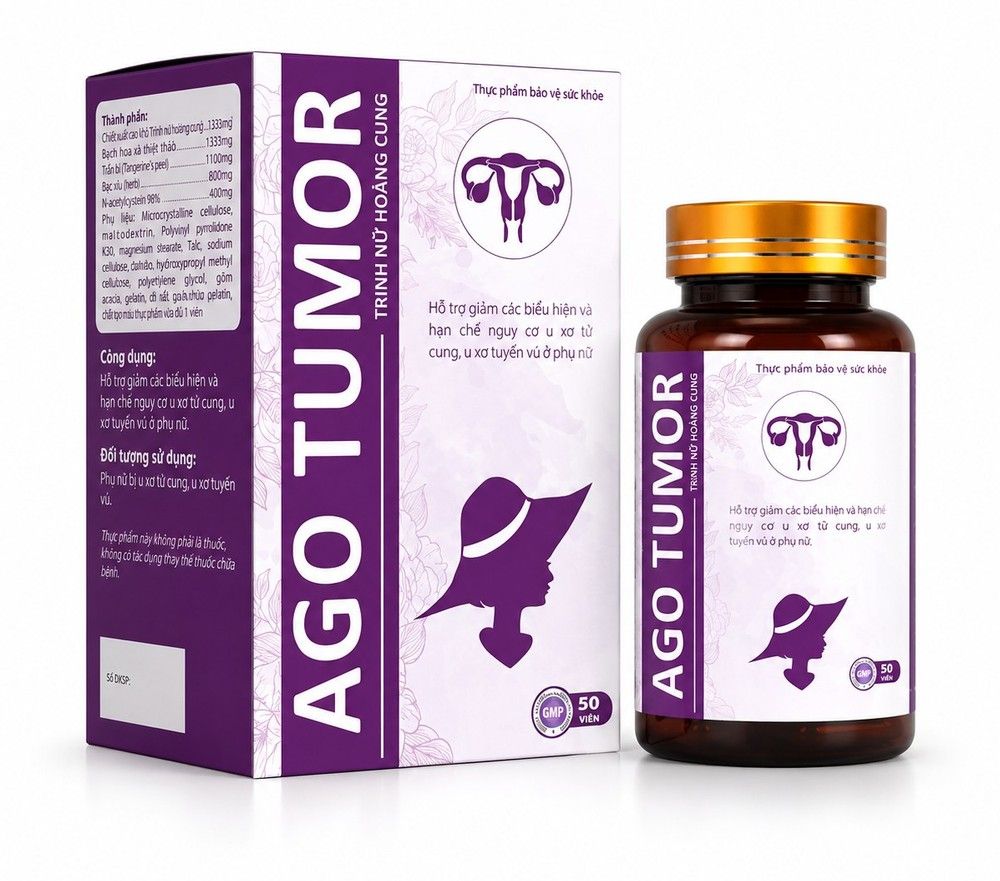
Whether or not fibroids are affecting your specific fertility picture, supporting your overall reproductive health foundation is a reasonable step while you work with a healthcare professional. AGO Tumor is formulated to help support the health foundation of women managing fibroids, and AGO Eva supports general gynecologic wellness as part of a broader care routine.
For more on the symptoms and types of fibroids, see our fibroids 101 guide.
Message AGO Fertility Care and share what you know about your fibroids — size, location, and how long you've been trying. We'll help you think through supportive next steps.
Chat With AGO on WhatsApp