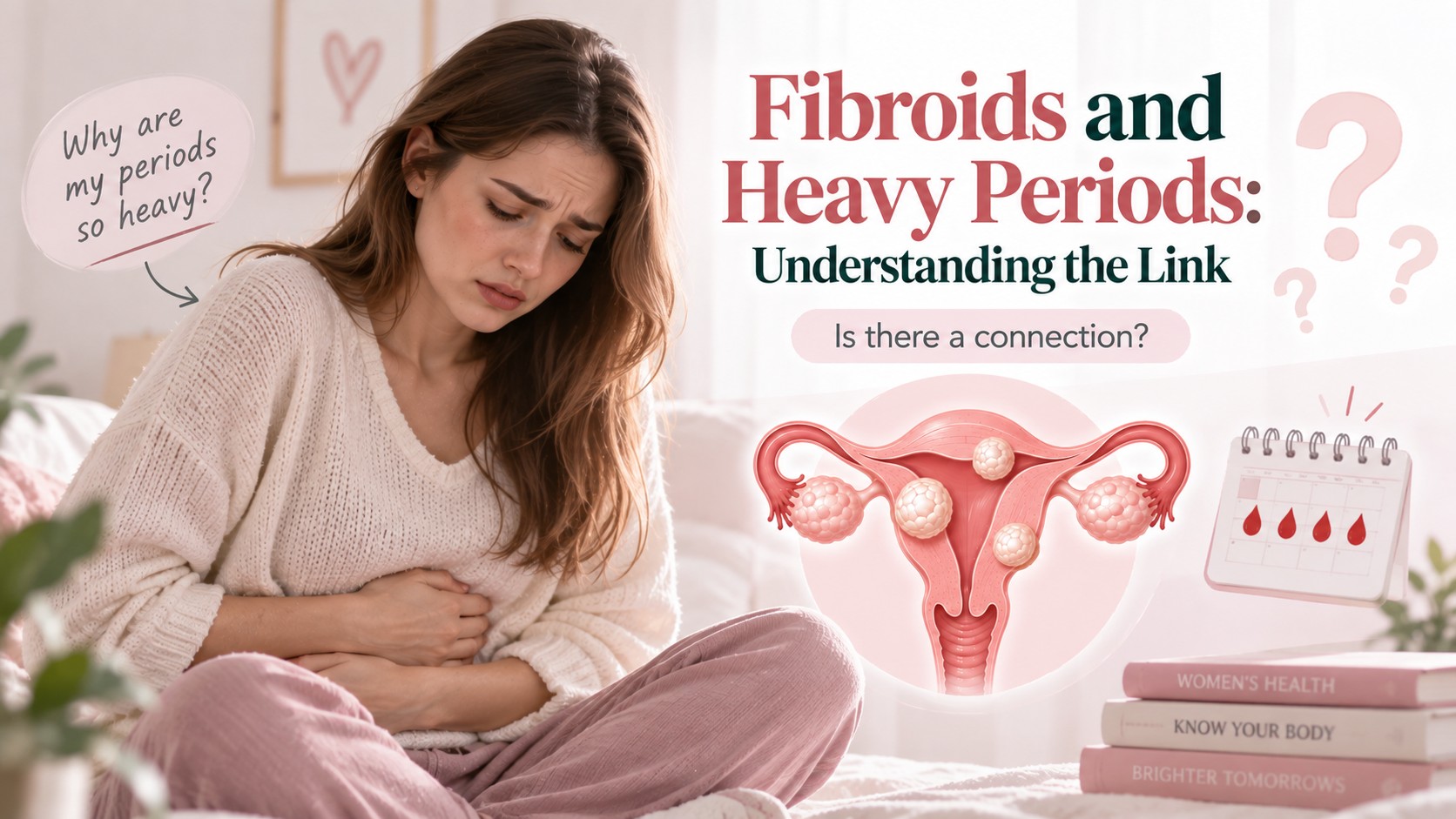
Heavy periods are often dismissed as "just how my cycle is," but when fibroids are involved, that heaviness has a clear physical explanation — and there are ways to manage it. This guide explains why fibroids so often lead to heavy or prolonged bleeding.
Why fibroids increase menstrual bleeding
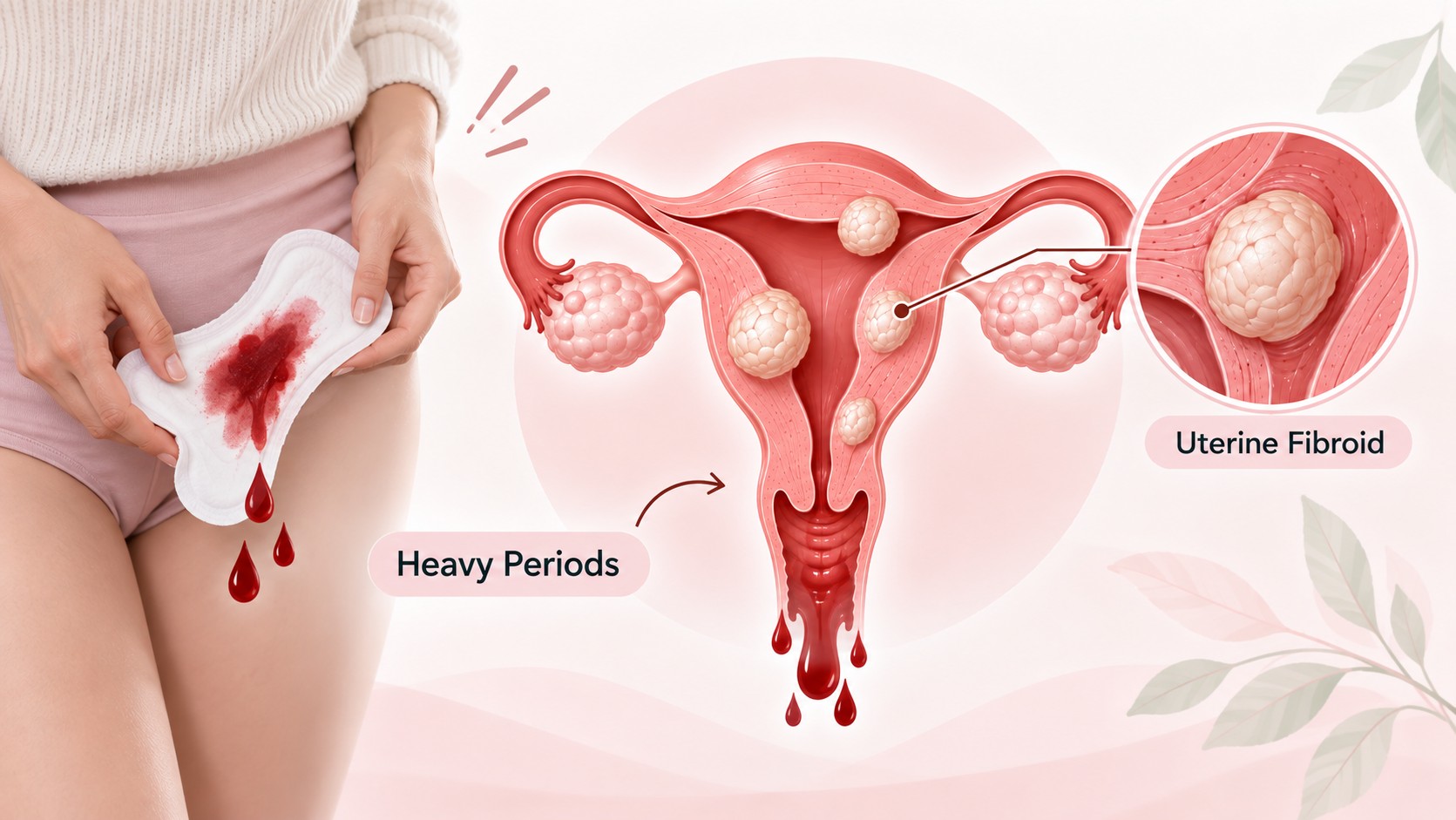
Fibroids can affect menstrual bleeding in a few connected ways. Submucosal fibroids, which grow just under the uterine lining, increase the surface area that sheds each cycle, directly leading to heavier flow. Fibroids can also interfere with the uterus's ability to contract effectively during menstruation, which normally helps limit blood loss — when contractions are less effective, bleeding can be heavier and last longer.
What "heavy" actually looks like
- Soaking through a pad or tampon every hour for several hours in a row.
- Needing to change protection during the night.
- Passing blood clots larger than a quarter.
- Periods lasting longer than seven days.
- Bleeding heavy enough to interfere with daily activities.
If any of this sounds familiar, it's a reasonable and common reason to seek an evaluation — not something to simply endure.
How to track your bleeding before an appointment
Many people find it hard to describe their flow once they are sitting in an exam room. A simple log turns a vague feeling into clear information. Try keeping it for two or three cycles if you can.
- Note the start and end dates. Write down the first day of bleeding and the last day, plus any spotting in between periods.
- Count your products. Record how many pads or tampons you use each day, and how full they are when you change them. If you use a menstrual cup, note how often you empty it.
- Watch for clots. Jot down roughly how big they are and on which days they appear.
- Log how you feel. Tiredness, dizziness, cramps, pelvic pressure and missed work or plans all help show the real impact.
- Bring it with you. A photo of your notes or a period app summary is easy to share during your visit.
This kind of record also helps you notice change over time. A cycle that slowly gets longer or heavier is worth mentioning, even if each single period feels "manageable".
The hidden risk: iron-deficiency anemia
Chronic heavy bleeding can gradually deplete iron stores, leading to fatigue, weakness, shortness of breath, or dizziness. If you've been feeling unusually tired alongside heavy periods, it's worth asking a healthcare professional to check your iron levels alongside evaluating the fibroids themselves.
How heavy bleeding is checked
An evaluation usually starts with a conversation about your cycle and a pelvic exam. From there, a provider may suggest a few common tests:
- Blood tests. A complete blood count and iron studies show whether heavy periods have lowered your iron or red blood cells. A pregnancy test and thyroid check are also common.
- Pelvic ultrasound. This painless imaging test shows the size and location of fibroids. Where a fibroid sits often matters more for bleeding than how big it is.
- A closer look inside the uterus. Sometimes a saline ultrasound or a hysteroscopy (a thin camera passed through the cervix) is used to see fibroids that bulge into the uterine cavity.
Fibroids are not the only cause of heavy periods. Polyps, hormone shifts, thyroid problems and some bleeding disorders can look similar, which is why testing is so helpful.
Everyday habits that may help on heavy days
- Eat iron-rich foods. Lean red meat, beans, lentils, tofu, spinach and fortified cereals all add iron. Pairing them with vitamin C foods, like citrus or bell peppers, helps your body absorb it. Our fertility nutrition guide has more ideas.
- Stay hydrated. Blood loss can leave you feeling drained, and fluids help you feel steadier.
- Plan for your heaviest days. Overnight pads, period underwear, a spare change of clothes and a dark towel on the bed can ease the stress.
- Rest when you need to. Gentle movement like walking can help with cramps, but it is okay to slow down when you feel tired.
- Check pain relievers with your provider. Some over-the-counter options may ease cramps and lighten flow for some people, but ask first if you have other health conditions.
Supportive and management approaches
- Tracking your cycle and flow pattern, so a clinician has clear information to work from.
- Discussing iron supplementation if anemia is a concern.
- Exploring medication options that can help manage bleeding, depending on your specific fibroids and goals (including future fertility).
- Considering procedural or surgical options for more significant cases, guided by a specialist.
If you hope to get pregnant in the future, say so early. Some options for managing bleeding affect fertility differently, and your plans can shape what your provider suggests.
When to get help right away
Most heavy periods can be checked at a regular appointment. Seek urgent care if you soak through one or more pads or tampons every hour for more than two hours, feel faint or very dizzy, have a racing heartbeat or chest pain, or have severe pelvic pain. Heavy bleeding when you might be pregnant also needs prompt attention.
Questions to ask your provider
- Where are my fibroids, and could their location explain my heavy flow?
- Are my iron levels low, and how should we follow up?
- What options could lighten my periods, and how do they fit with my plans for pregnancy?
- What changes in my bleeding should prompt me to call you sooner?
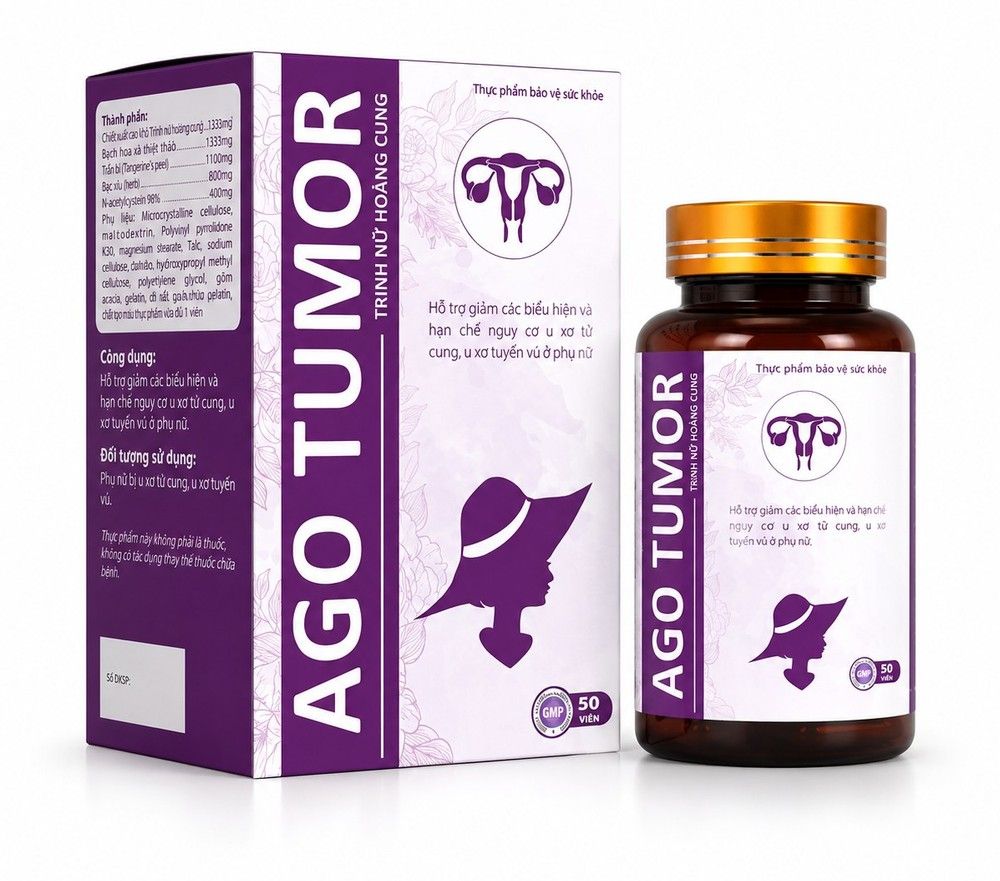
AGO Tumor is formulated to help support the health foundation of women managing fibroids, as part of a broader care routine alongside medical guidance for bleeding management.
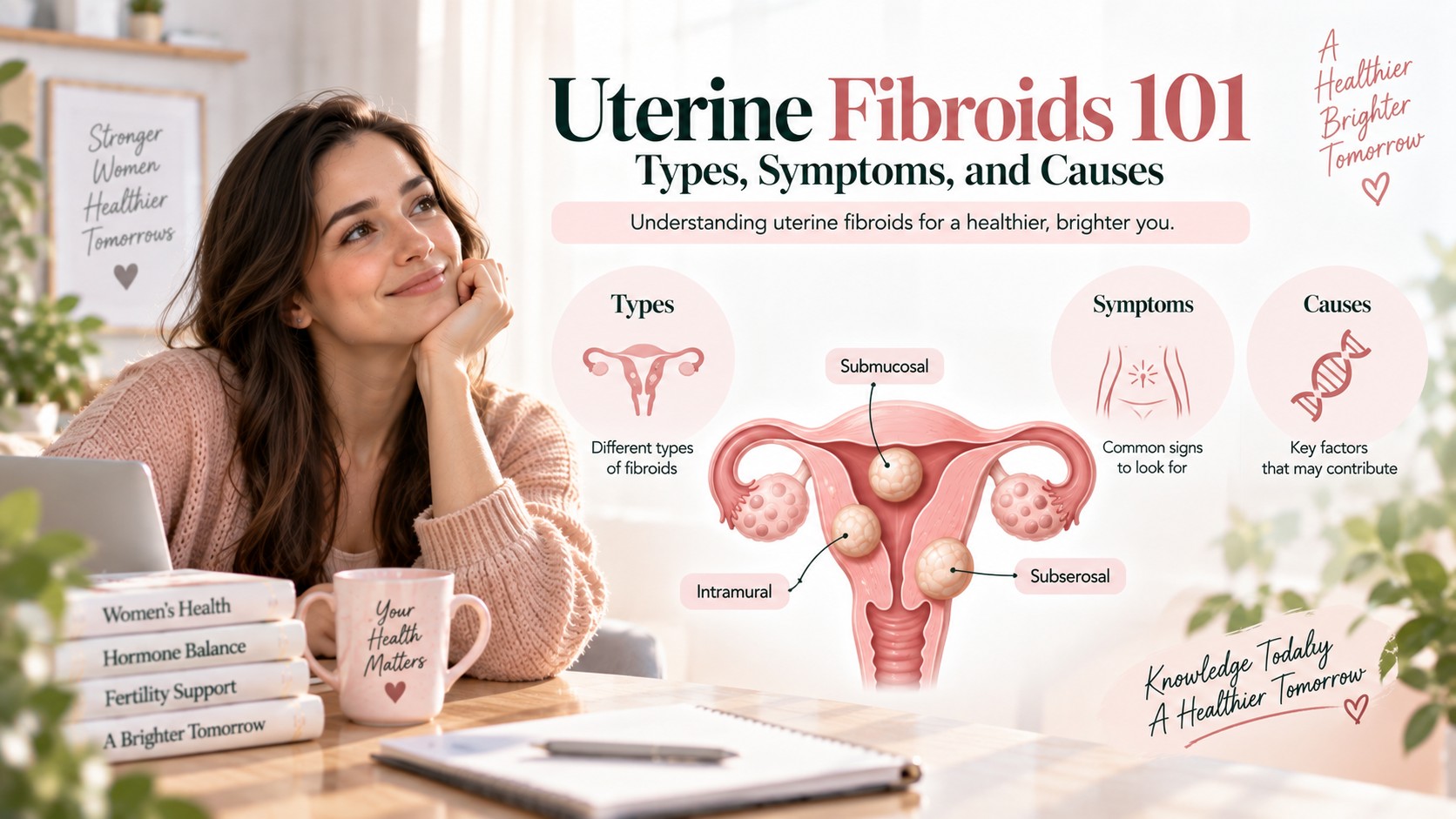
To understand fibroids more broadly, see our fibroids 101 guide, or learn about the connection between fibroids and fertility here.
Dealing with heavy periods and think fibroids may be involved?
Message AGO Fertility Care and share your bleeding pattern and how long it's been happening. We'll help you understand possible next steps and a supportive care routine.
Chat With AGO on WhatsApp