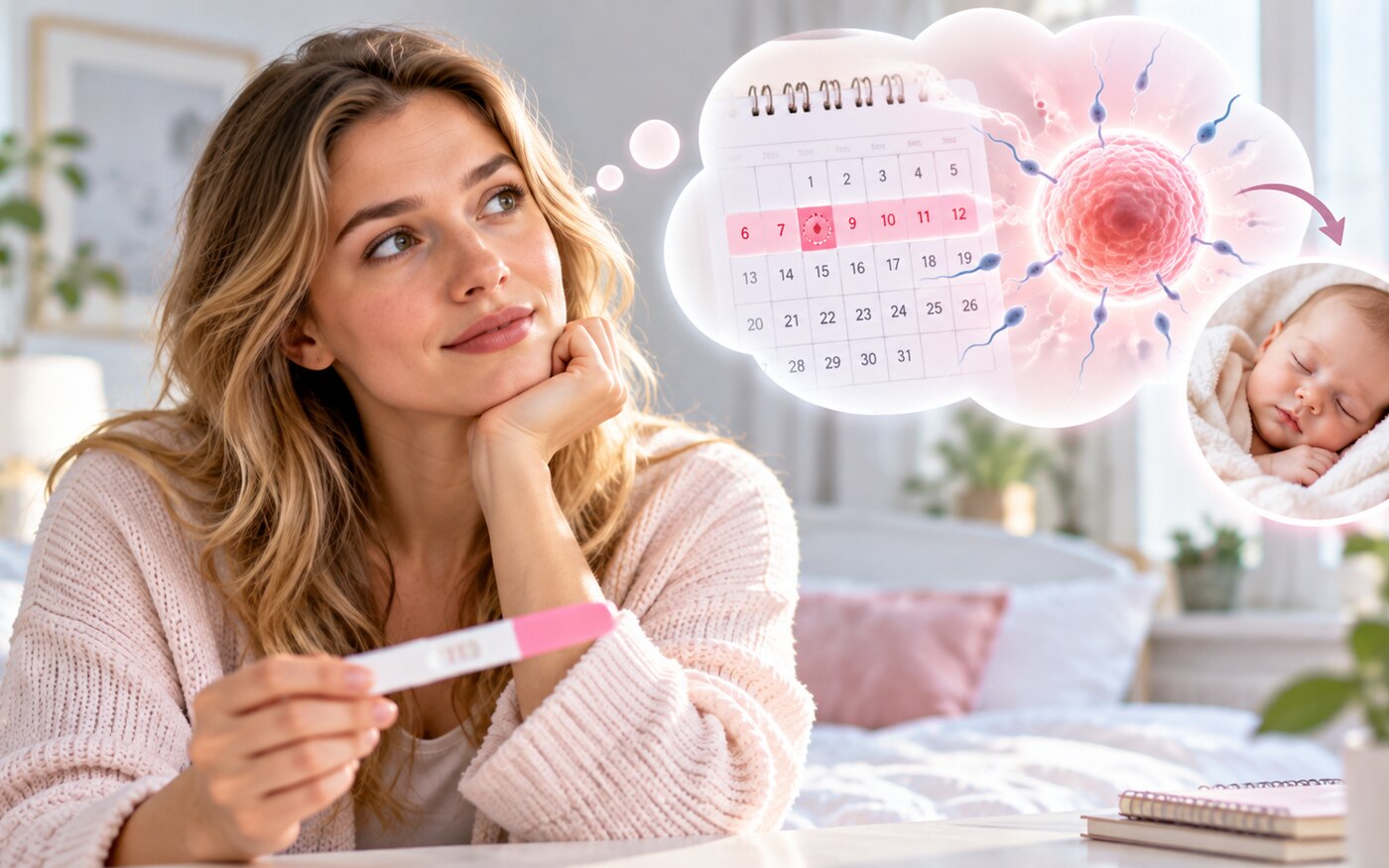
If you've ever caught yourself lying awake analyzing a slight cramp, an unusual tiredness, or a mood swing two days after ovulation — turning it over and over in your mind, wondering if it "means something" — welcome to the two-week wait, quietly one of the most emotionally intense stretches of trying to conceive. Nobody warns you about it before you start trying. And once you're in it, month after month, it can start to feel like its own strange, exhausting ritual.
It's the roughly 14-day span between ovulation and either the start of your next period or the point at which a pregnancy test becomes reliably accurate. Biologically, very little is actually happening that you can feel or influence during most of this window — it's simply the time your body needs for potential implantation and the earliest hormonal shifts to occur, if conception happened. Emotionally, though, it can feel like the longest two weeks of your entire month, every single month.
The uncertainty itself is exhausting — not knowing, with no way to find out sooner, no matter how badly you want to. Add to that the natural temptation to "symptom-spot," scrutinizing every physical sensation for a sign either way, and the repeating cycle of quiet hope building up over two weeks only to be met with disappointment when your period arrives. Doing this once is hard. Doing it for the sixth, tenth, or fifteenth consecutive month is genuinely, legitimately exhausting — and feeling that way is a completely normal emotional response, not a sign that you're being "too much" or too anxious.
Right after ovulation, the empty follicle that released the egg turns into a small gland called the corpus luteum. It makes progesterone, a hormone that helps thicken and steady the uterine lining. This stretch of your cycle is called the luteal phase, and it is fairly consistent for most women, usually around 12 to 14 days.
If an egg is fertilized, it travels down the fallopian tube and implants in the lining, usually somewhere around 6 to 12 days after ovulation. Only after implantation does the body start making hCG, the hormone pregnancy tests look for. Levels start very low and rise over the following days. That is why testing a few days after ovulation simply cannot give you an answer yet, no matter how sensitive the test is. If you want a refresher on how the phases fit together, our guide to
cycle phases and your fertile window walks through it.Progesterone rises after ovulation whether or not you are pregnant. It can cause sore breasts, bloating, tiredness, mild cramps, mood changes and food cravings. These are the same feelings many women list as "early pregnancy symptoms." So two women can feel almost the same during the wait, and only one of them is pregnant. Some women notice light spotting around the time of implantation, but many pregnant women never do, and spotting can happen in non-pregnant cycles too.
This is not your body playing tricks on you. It just means symptoms are not a reliable clue either way. Knowing that can make it a little easier to stop searching for meaning in every twinge.
Contact a doctor or urgent care right away if you have severe or one-sided belly pain, heavy bleeding, dizziness or fainting, or a fever, whether or not you have tested positive. It is also worth booking a routine visit if your luteal phase often seems shorter than 10 days, if your cycles are very irregular, or if you have been trying for 12 months (or 6 months if you are 35 or older). Our guide on
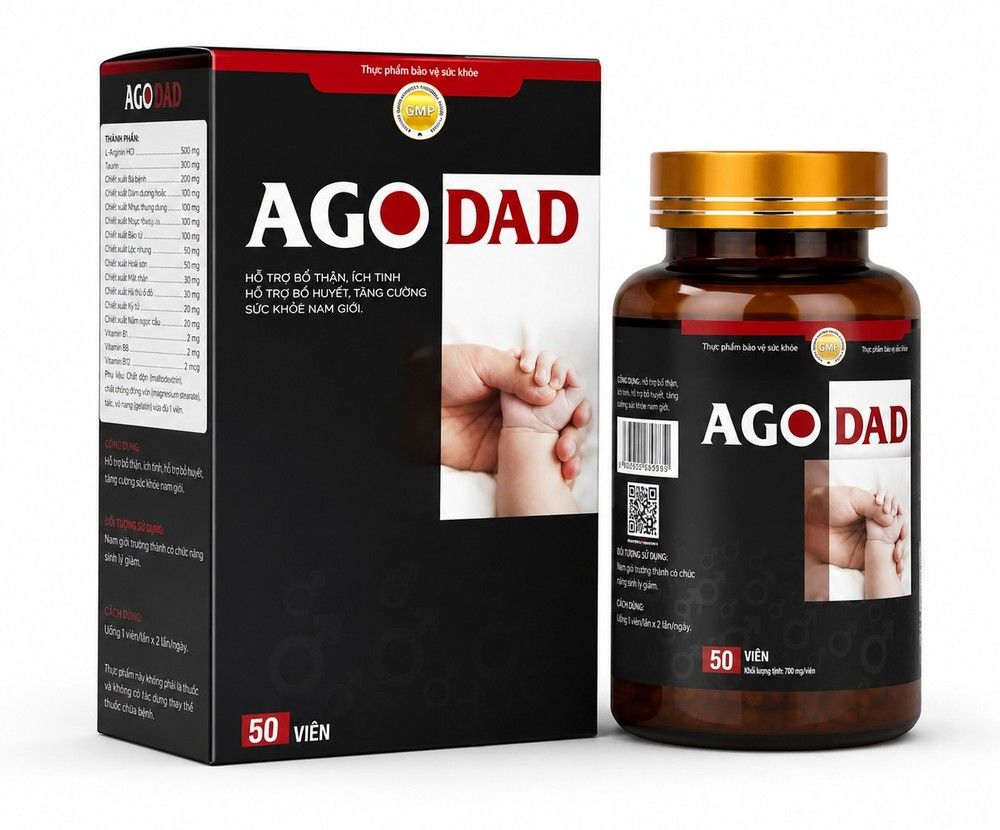
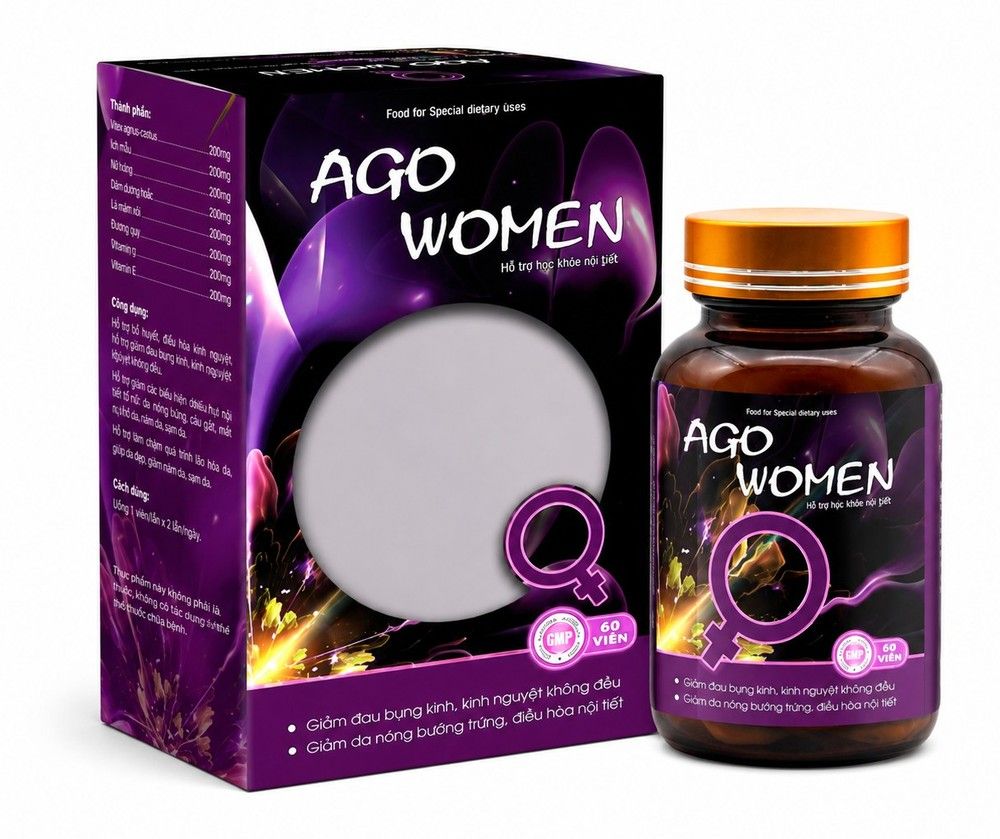
how long it usually takes to get pregnant explains those timelines in more detail.Whatever happens this cycle, continuing to support your body's hormonal balance and overall reproductive health remains valuable groundwork for whichever cycle it does happen. Many women find real comfort in knowing they're doing something proactive and consistent — rather than simply waiting and hoping — with a daily routine like AGO Mom supporting them through this waiting period, cycle after cycle.
You don't have to go through it alone. Message AGO Fertility Care anytime. We're here to listen and offer personalized support for wherever you are in your journey.
Chat With AGO on WhatsApp