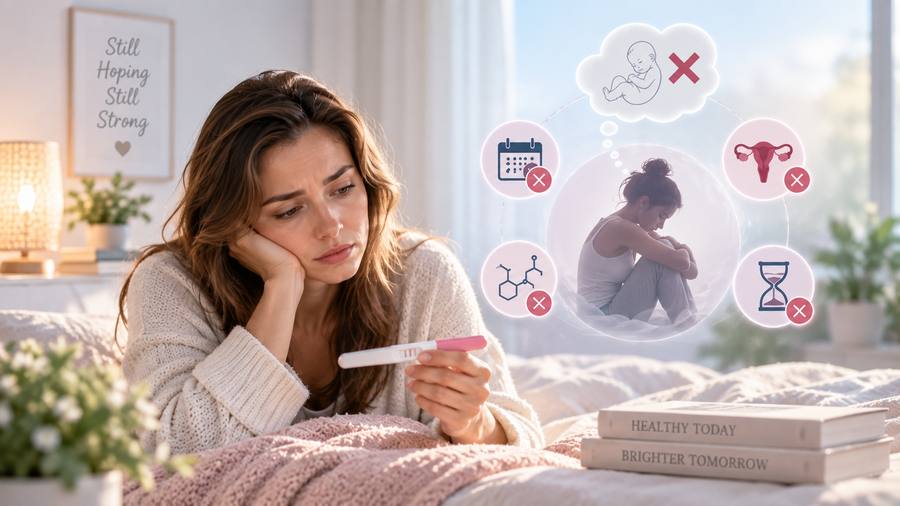
Getting pregnant may seem like a natural process, but for many women, the path to a positive pregnancy test is not always simple. Irregular cycles, ovulation problems, PCOS, age, ovarian health, hormonal factors, nutrition, weight, prolonged stress, and certain gynecologic conditions can all become part of the fertility picture.
If you are preparing for pregnancy or have been trying to conceive for some time, the goal is not simply to "try harder." It is to understand your body, recognize possible barriers to conception, and take proactive steps to support your reproductive health.
Female fertility depends on several connected processes: an egg needs to develop and be released, sperm needs a pathway to reach the egg, and the uterus needs to provide an appropriate environment for implantation. When one or more parts of this process are affected, conception may take longer.
Female fertility changes with age. As women get older, the number of remaining eggs declines and egg quality also changes. This does not mean that an older woman cannot become pregnant, but age becomes increasingly important when planning pregnancy, especially when conception has already taken longer than expected. If you plan to delay pregnancy, learning about your reproductive health earlier can help you make more informed decisions.
Natural conception requires an egg to mature and be released from the ovary. When ovulation does not occur regularly, there may be fewer opportunities for conception during the year. Very long or short cycles, irregular periods, skipped periods, or large month-to-month changes can be reasons to discuss ovulation with a healthcare professional.
PCOS is commonly associated with irregular ovulation and fertility concerns. Some women with PCOS experience irregular periods or infrequent ovulation, along with signs related to androgen levels, weight, or metabolic health. PCOS does not mean pregnancy is impossible. An appropriate evaluation can help clarify what support or treatment may be useful.
Women are born with a finite number of eggs, and that number declines over time. AMH is one marker clinicians may use when assessing ovarian reserve. However, AMH is not a direct measure of egg quality and, by itself, cannot tell whether a woman can or cannot conceive naturally. A low AMH result should therefore be interpreted alongside age, reproductive history, and other clinical information.
Certain structural or gynecologic conditions can affect how sperm reaches the egg or how implantation occurs. Depending on the individual, a clinician may consider the fallopian tubes, uterus, endometriosis, fibroids, prior pelvic inflammation, or pelvic surgery. These concerns require medical evaluation rather than self-diagnosis from symptoms alone.
Hormones coordinate many stages of the reproductive cycle. Persistent cycle irregularity or significant changes in menstruation can be a reason to look more closely at reproductive health. For women with unpredictable cycles, simply relying on calendar-based timing may not accurately identify ovulation.
Both being underweight and having excess weight can be associated with cycle or ovulation changes in some women. Instead of following a special "fertility diet," focus on a varied diet with adequate protein, vegetables, fruit, healthy fats, and essential vitamins and minerals, while working toward a weight appropriate for your health.
Stress should not be treated as the single explanation for infertility. Still, prolonged stress, inadequate sleep, smoking, heavy alcohol use, and other unhealthy habits are not beneficial for overall health. A fertility journey can last months or longer, so caring for both physical and emotional well-being matters.

Record the first day of each period, cycle length, and any meaningful changes from month to month. This can help you understand your own pattern and provide useful information if you later speak with a healthcare professional.
The chance of conception is highest around ovulation. If your cycles are relatively predictable, cycle tracking and appropriate ovulation-awareness methods may help. If your cycles are very irregular, calendar estimates alone may be unreliable.

Good nutrition matters before pregnancy begins. Folic acid is commonly recommended during the preconception period and early pregnancy. Your individual needs for folic acid and other nutrients should reflect your diet, health history, and professional guidance.
If you have been trying for some time or have known risk factors, a clinician can recommend the evaluations that make sense for your situation. Not everyone needs the same set of fertility tests.
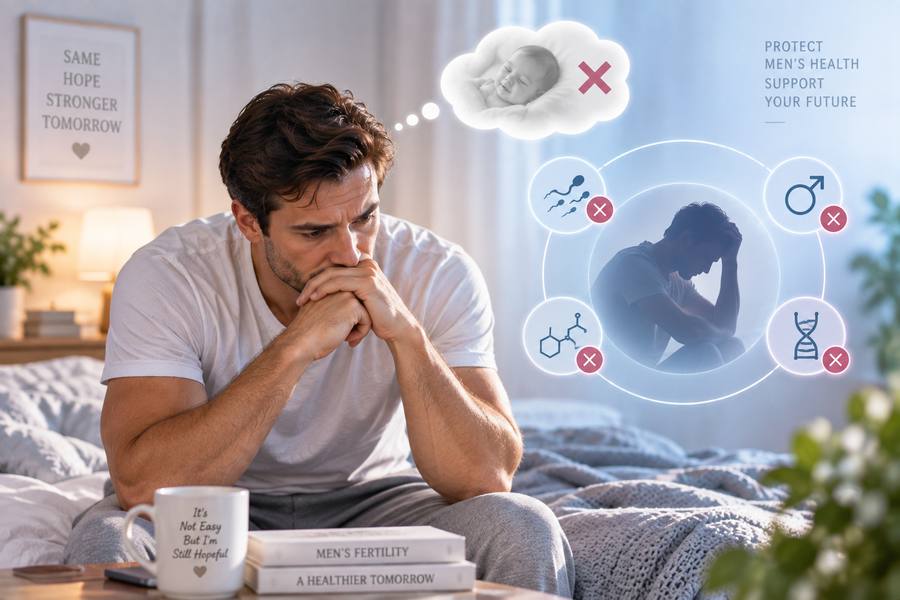
And if a couple has been trying for some time, evaluation should not focus only on the woman. Male reproductive health is part of the fertility picture too.
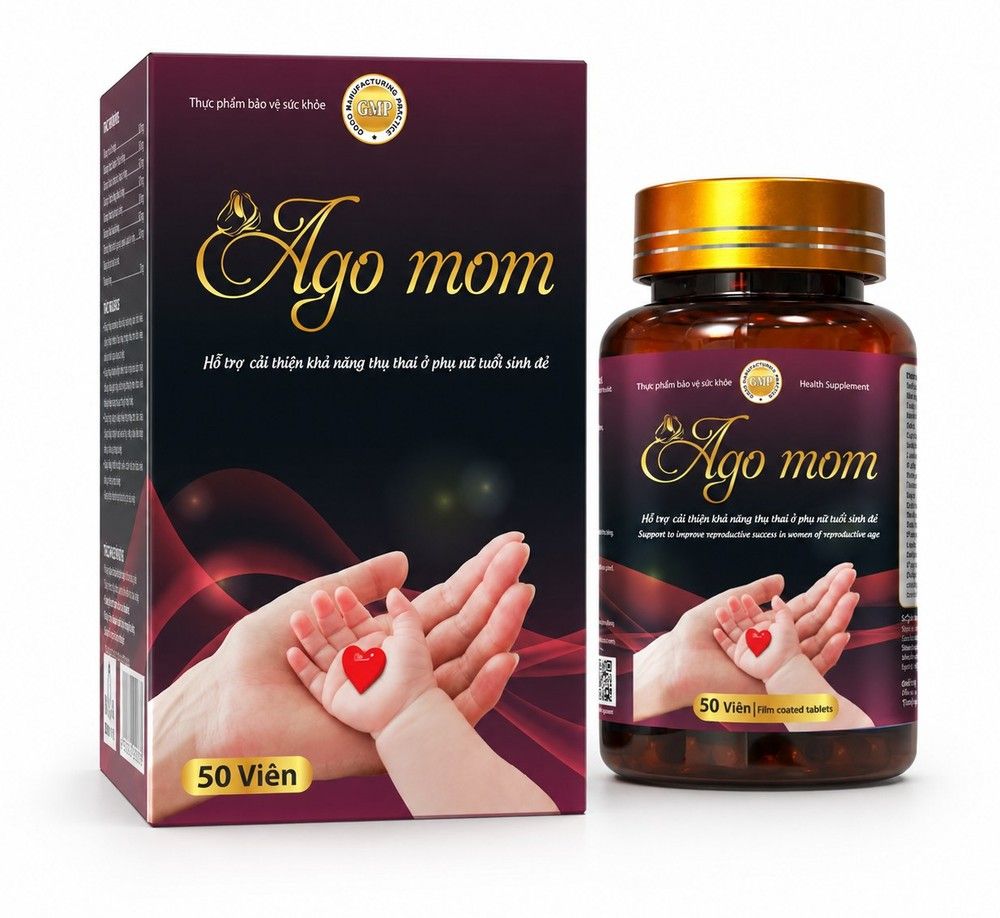
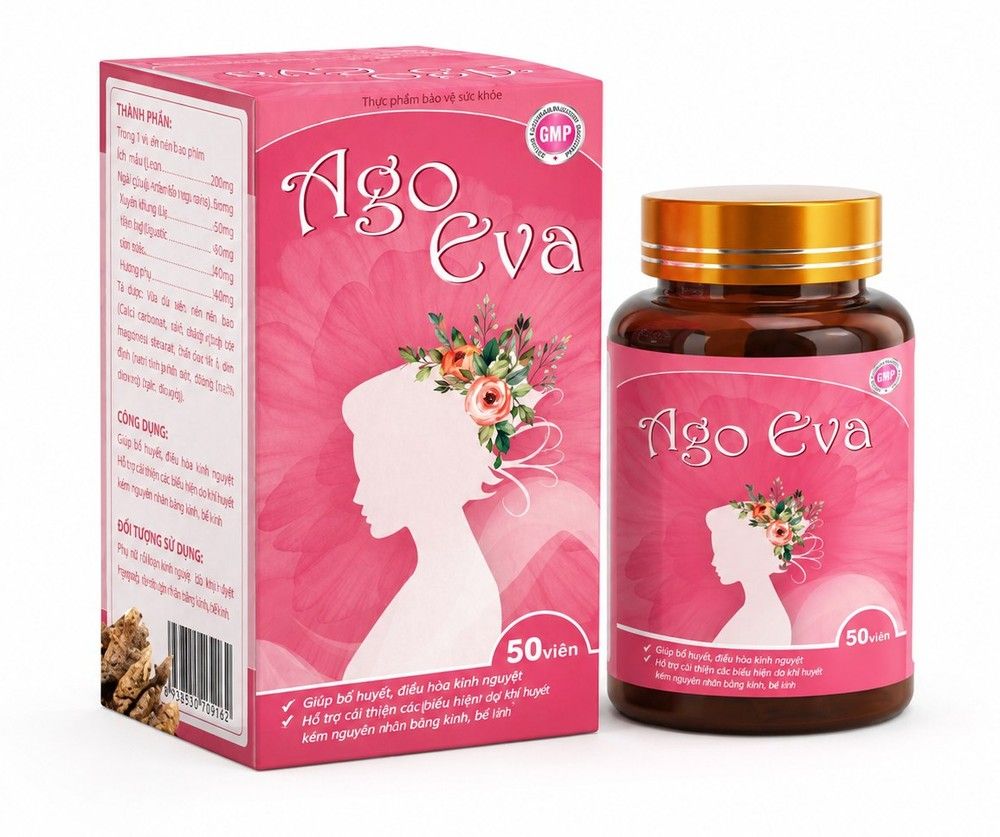
Every fertility journey is different. Message AGO Fertility Care on WhatsApp and tell us your age, menstrual-cycle pattern, how long you have been trying to conceive, the reproductive-health concerns you are experiencing, and any test results you already have. Our team can help you organize the information and identify support options relevant to your journey.
Chat With AGO on WhatsApp